Tüm Yazılar

How to Grow Cornelian Cherry?
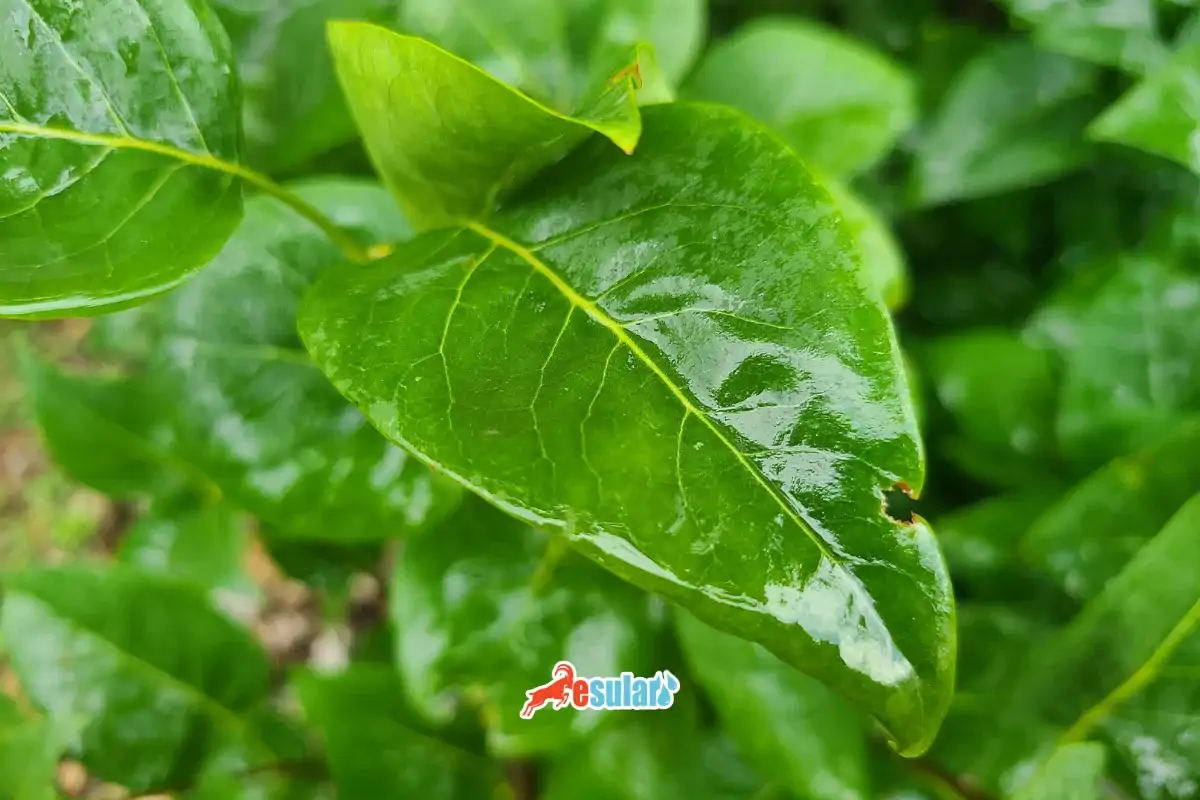
Cornelian cherry cultivation is an agricultural branch that can be quite productive and profitable when correct care techniques are applied. Successfully grown in many regions of our country, cornelian cherry has high yield potential when suitable climate and soil conditions are provided. Thanks to its consumption both as fresh fruit and its use in various industrial products, cornelian cherry offers an important source of income for farmers. In this guide, you will find comprehensive information starting from the general characteristics of the cornelian cherry plant to growing conditions, care techniques, and yield enhancement methods. In addition, we will provide detailed information about the profitability of cornelian cherry cultivation and government supports. For those who want to step into cornelian cherry cultivation, this guide contains basic information that will help you take the right steps and achieve a successful harvest. Let's explore the intricacies of cornelian cherry cultivation together and open the doors to this profitable investment.
Climate and Soil Structure in Cornelian Cherry Cultivation
In order to be successful in cornelian cherry cultivation, the correct evaluation of climate and soil structure is of great importance. While the cornelian cherry plant prefers temperate climates, it is also quite resistant to cold winters. Extremely hot and dry climates can negatively affect the development of the plant. Ideal climate conditions include cool summers and cold winters. Cornelian cherry can withstand up to -20°C, and winter colds can increase the productivity of the plant. However, the cornelian cherry plant, which does not like high humidity, prefers areas with light breezes and good ventilation. As for soil structure, it provides the best yield in slightly acidic soils with a pH level between 6.0-6.5. Cornelian cherry likes soils rich in organic matter and well-drained; sandy-loam soils facilitate the reach of water and nutrients to the roots. Since water accumulation in the soil can cause root rot, well-drained soils should be preferred. Additionally, determining missing nutrients by performing soil analysis and applying necessary fertilizations, as well as enriching the soil with organic matter, supports the healthy growth of the plant. Providing correct climate and soil conditions is very important for high yield and success in cornelian cherry cultivation.
Sapling Planting in Cornelian Cherry Cultivation
Sapling planting in cornelian cherry cultivation is the first step in creating a healthy and productive orchard. For the planting process, first of all, the planting time and method should be determined according to the type of saplings. Bare-root cornelian cherry saplings are generally planted in the period from November to April, after leaf fall. For planting, a hole 50 centimeters wide, deep, and high is dug. A certain amount of soil is added to the bottom of this hole, appropriate for the root length of the sapling. While the sapling is placed vertically in the hole and the roots are covered with soil, adding a certain amount of fertilizer is also beneficial for growth. It is important to provide irrigation (can suyu) for the sapling to survive and grow healthily after planting. After the planting process is completed, a support stick is planted next to the sapling and the sapling is fixed by tying it to this stick. Potted (tubed) cornelian cherry saplings can be planted in every month of the year and are planted by preparing a hole of 40-50 cm in size in a similar way. The roots of the sapling removed from the pot are slightly loosened and placed in the hole, and organic fertilizers of Leonardite origin are applied by mixing well with the soil. After planting, irrigation (can suyu) is given again, a support stick is placed next to the sapling, and the sapling is tied to the stick. Thanks to these careful steps, cornelian cherry saplings grow healthily and become productive.
Irrigation in Cornelian Cherry Cultivation
The cornelian cherry plant provides healthy growth and high yield when grown with correct irrigation techniques, especially due to its high water requirement. Regular irrigation in the spring and summer months is very important to meet the water needs of the plant. The water requirement of the cornelian cherry tree is high and the soil should be kept constantly moist, but care should be taken as excessive irrigation can lead to root rot.
As Esular, the smart irrigation systems we offer provide the ideal irrigation solution for the cornelian cherry plant. Our smart irrigation systems determine the water needs of the plant automatically and provide water when necessary by constantly monitoring the moisture level of the soil. These systems work with the drip irrigation method, which ensures that water is delivered directly to the root zone, thus saving water and providing the water the plant needs regularly. In addition, you can track irrigation processes and control them remotely via the mobile application. Our smart irrigation systems increase efficiency in cornelian cherry cultivation while supporting the sustainable use of water resources.
Fertilization in Cornelian Cherry Cultivation
The cornelian cherry plant needs correct fertilization techniques for healthy growth and high yield. Fertilization supports the development of the plant by increasing the nutrient content of the soil in cornelian cherry cultivation. A good fertilization program provides the macro and micro nutrients the plant needs, thus increasing fruit quality and yield. Organic and chemical fertilizers can be used together for the cornelian cherry plant. First, it is recommended to add well-rotted farm manure or compost to the soil during planting. This supports the root development of the plant by increasing the organic matter content of the soil. A balanced fertilizer application containing nitrogen, phosphorus, and potassium should be done in the spring months. While nitrogen promotes the leaf and stem development of the plant, phosphorus supports root development and flowering, and potassium increases fruit quality. Within the scope of the annual fertilization program, fertilization can be done in the spring and summer months. While nitrogen-weighted fertilizers are preferred at the beginning of spring, fertilizers with high phosphorus and potassium content should be used in mid-summer. Additionally, micro-elements (such as zinc, iron, magnesium) are also important for the cornelian cherry plant and can be applied as foliar fertilizer in case of deficiency.
Cornelian Cherry Harvest
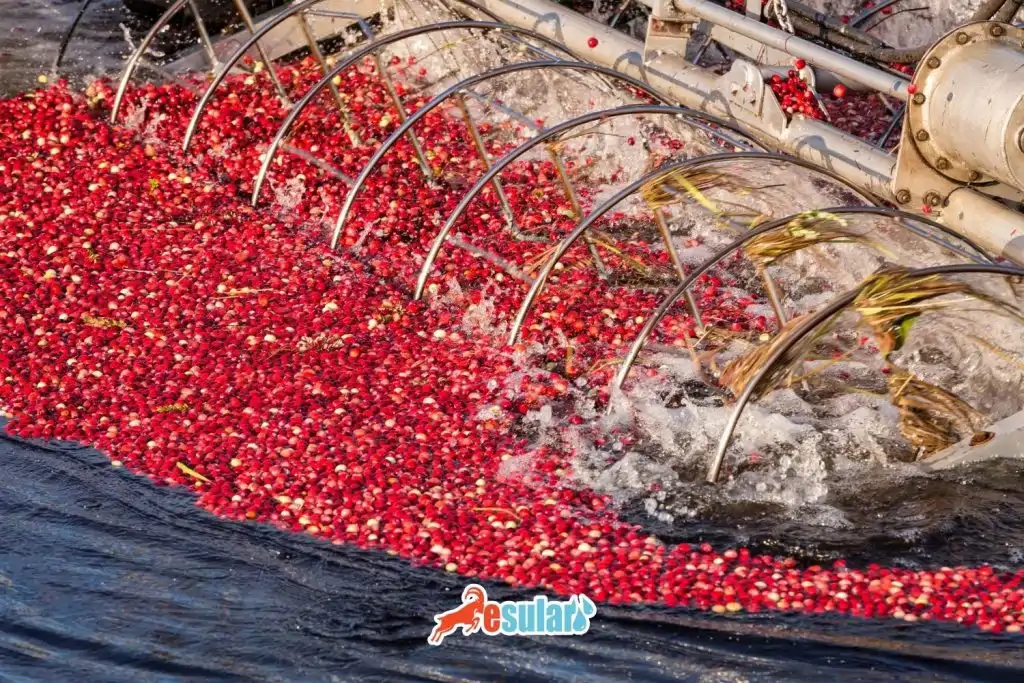
Cornelian cherry fruits generally ripen and are harvested in the autumn months. The harvest time should coincide with the period when the color of the fruit turns completely red and its sweet-sour taste is balanced. The harvest, usually carried out in September and October, is the period when the fruits have the highest nutritional value. Since the cornelian cherry fruit has a delicate structure, care should be taken during harvest. Harvesting by hand ensures that the fruits are collected without being damaged. While picking the fruits, leaving a bit of the fruit stem instead of harvesting by directly pulling them from the branches can increase the durability of the fruit. This prevents the fruits from being damaged during storage and transportation after harvest. Harvested cornelian cherries can be consumed fresh or evaluated through various processing methods. Various products such as fruit juices, jams, marmalades, and dried products can be obtained. This makes cornelian cherry cultivation more profitable and increases market diversity.
Kategoriler
Etiketler