Laurel cultivation has held an important place throughout history with both its aesthetic beauty and useful leaves. This special plant, unique to the Mediterranean climate, is a preferred option in garden and landscape arrangements with the shade it provides and its leaves that can be used as a spice. The laurel tree can grow healthily with proper care and suitable soil conditions and can be one of the beauties of your garden for many years. At the same time, laurel leaves provide a practical and delicious experience by being used in meals and natural medicines. In this article, you will discover the basic principles of laurel cultivation and the tips for creating a successful laurel garden.
Where Does the Laurel Tree Grow?
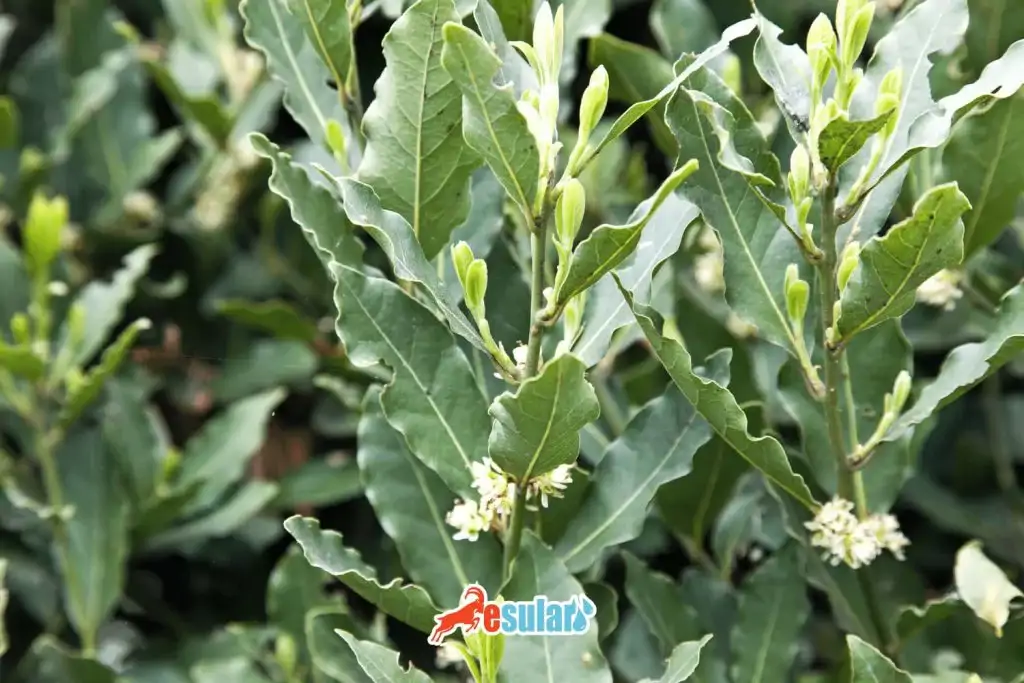
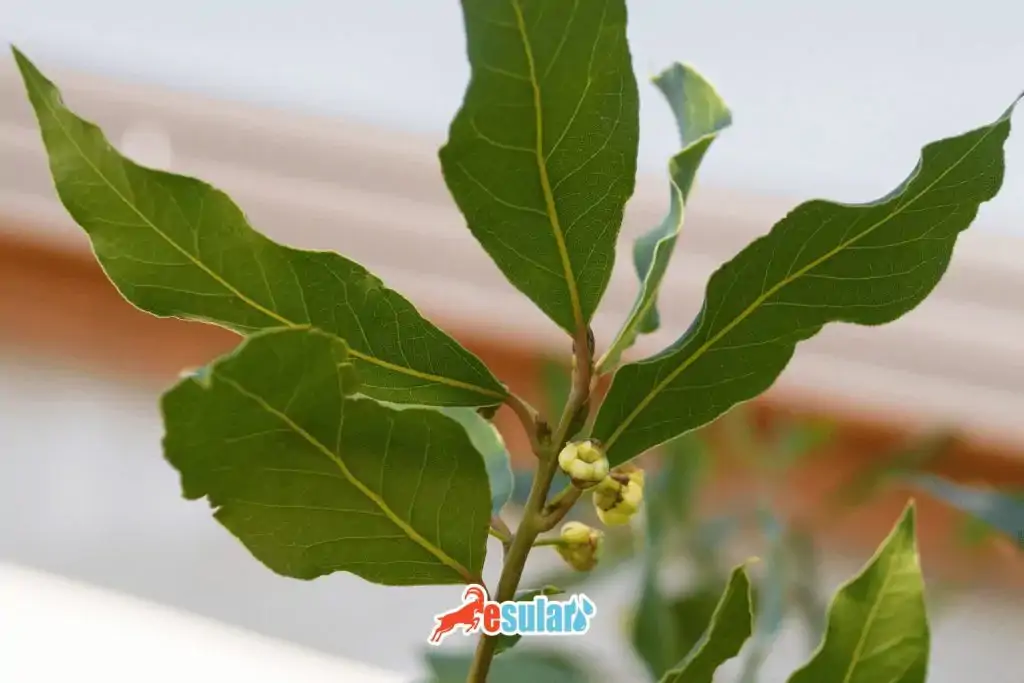
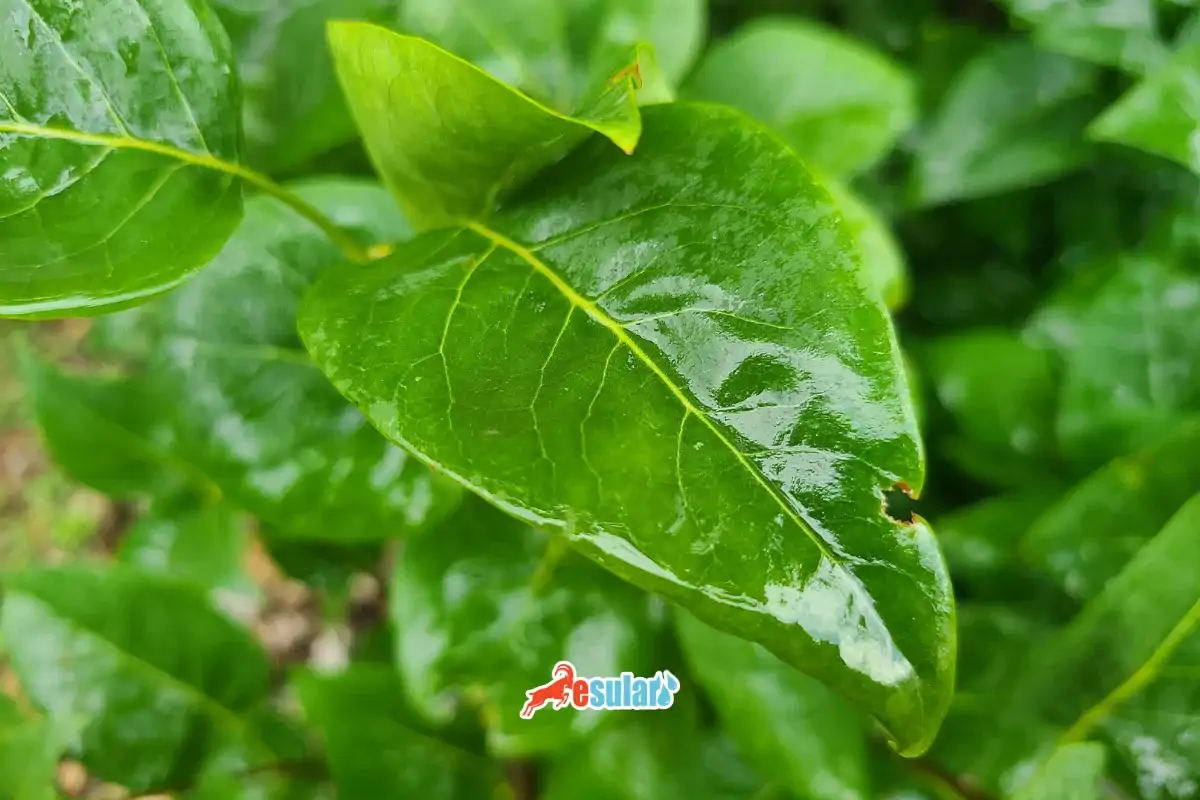
The laurel tree is naturally one of the typical plants of the Mediterranean basin and prefers the climatic conditions unique to this region. As its homeland, it is widely found especially in Mediterranean countries such as Greece, Italy, France, and Turkey. While it grows naturally in Turkey, especially in the Aegean, Mediterranean, and Southern Marmara regions, it is also frequently preferred as an ornamental plant in gardens and parks. Known for its aesthetic leaves, beautiful scent, and durability, the laurel tree develops perfectly in these regions with its characteristics that love the warmth and sunlight of the Mediterranean climate. Additionally, since laurel leaves are used as a spice in meals, they have cultural and traditional importance and are valued in our country and worldwide for these features.
Suitable Climate and Soil Structure for Laurel Cultivation
The laurel tree becomes a sturdy adult tree by adapting to the warm and temperate conditions of the Mediterranean climate. While it develops best in sunny areas away from humidity, it prefers well-drained and humus-rich soils. It can also grow in sandy or clayey soils, but it is important not to allow water accumulation. Care should be taken regarding irrigation; frequent irrigation may be required during drought periods, but it should not be forgotten that it is sensitive to excessive water. Maintenance should be done regularly, especially young saplings should be shaped with pruning processes and healthy growth should be encouraged. Timely precautions should also be taken against diseases and pests, so a healthy laurel garden can be created.
When is a Laurel Sapling Planted?
The most suitable time for planting laurel saplings is generally the spring or autumn months. During these periods, soil temperature and humidity levels are ideal for the sapling to take root. Before planting, the soil of the area to be planted should be rich in humus and lime and should provide good drainage. Choosing a sunny and windless place is important for the healthy development of the sapling. The planting hole should be opened with a width and depth suitable for the size of the sapling's root ball. After the sapling is planted, the soil should be compacted and watered abundantly. The planting interval can generally be adjusted to 1.5 to 3 meters, which is a suitable distance for the saplings to grow healthily and not shade each other. After planting, regular irrigation and maintenance should be performed to ensure that the sapling's roots strengthen and show healthy growth.
Does the Laurel Tree Need a Lot of Water?
The laurel tree is generally known as a drought-resistant plant and does not require much water. However, regular irrigation is important in the first few months after planting, especially for the sapling's roots to adapt to the soil. Later, an adult laurel tree may rarely need watering in well-drained soil. Excessive irrigation can lead to the rotting of the laurel tree's roots or diseases, so irrigation processes should be managed carefully.
How Many Years Does it Take for a Laurel Tree to Grow?
The laurel tree is generally known as a slow-growing plant. The growing time can vary depending on growing conditions, climatic conditions, and maintenance. It is generally said that a laurel tree can become an adult tree within 5 to 10 years. After being planted as a sapling, it shows active growth in the first years and shows slower growth over time. During this process, regular maintenance, irrigation, and suitable climatic conditions ensure that the laurel tree grows healthily and strongly.
Laurel Harvest
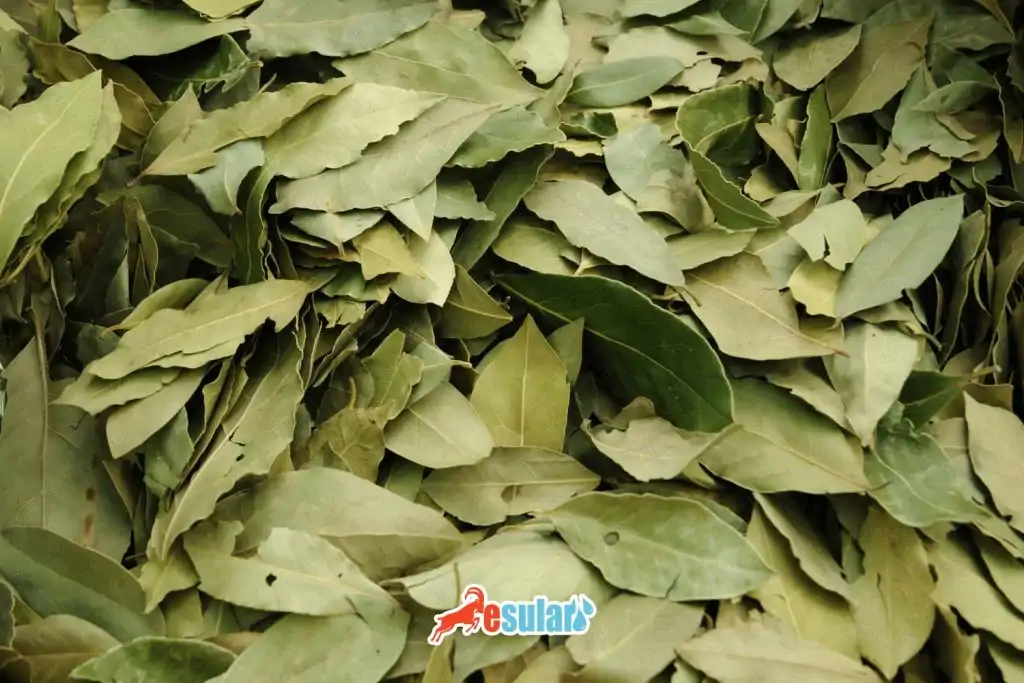
Laurel leaves are generally harvested in the summer months. The most suitable time for harvest is usually between July and August because this period is when the leaves are most aromatic and flavorful. The leaves to be harvested should generally be collected in the early morning hours, during the time when the sun is not very hot. Leaves are collected by picking them one by one by hand or cutting them with scissors. The harvested leaves are then dried and stored. After being dried, laurel leaves can be stored for a long time and used as a spice or in various dishes.