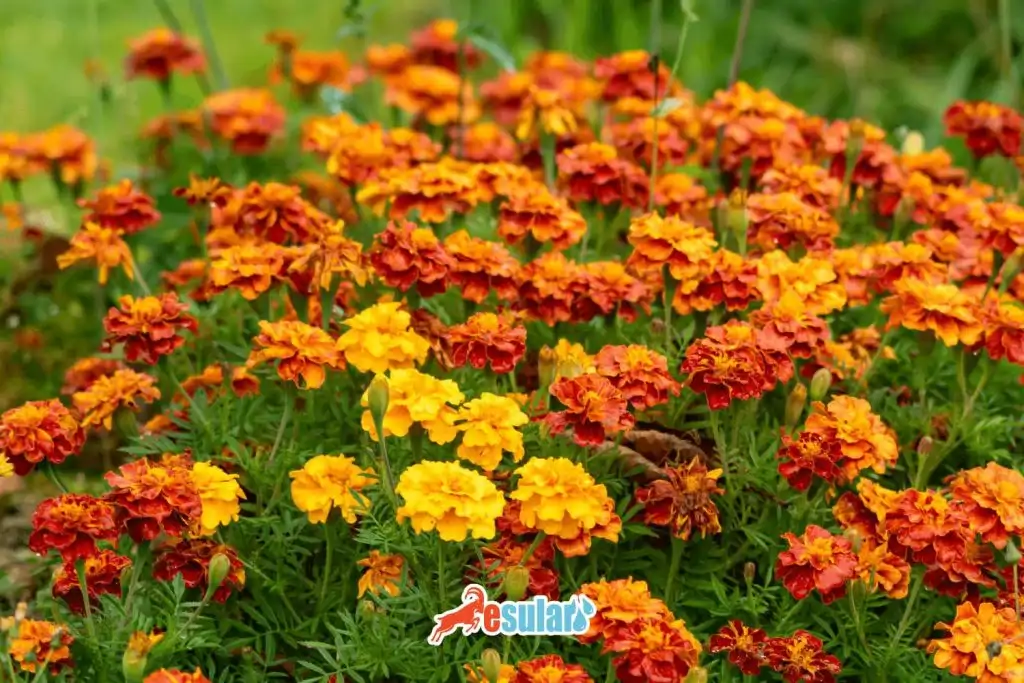
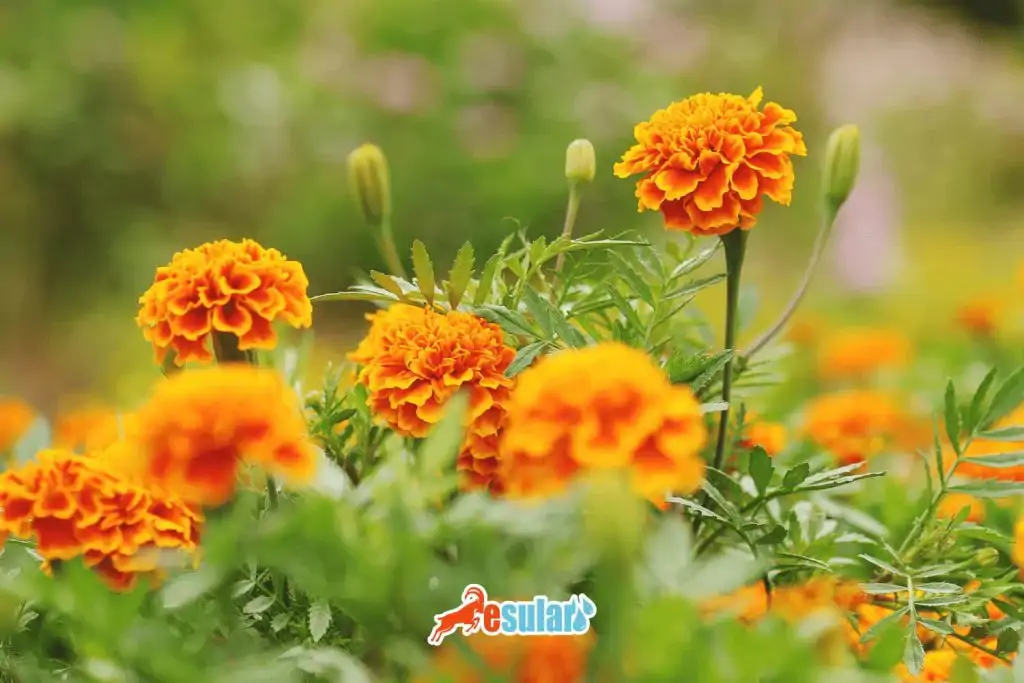
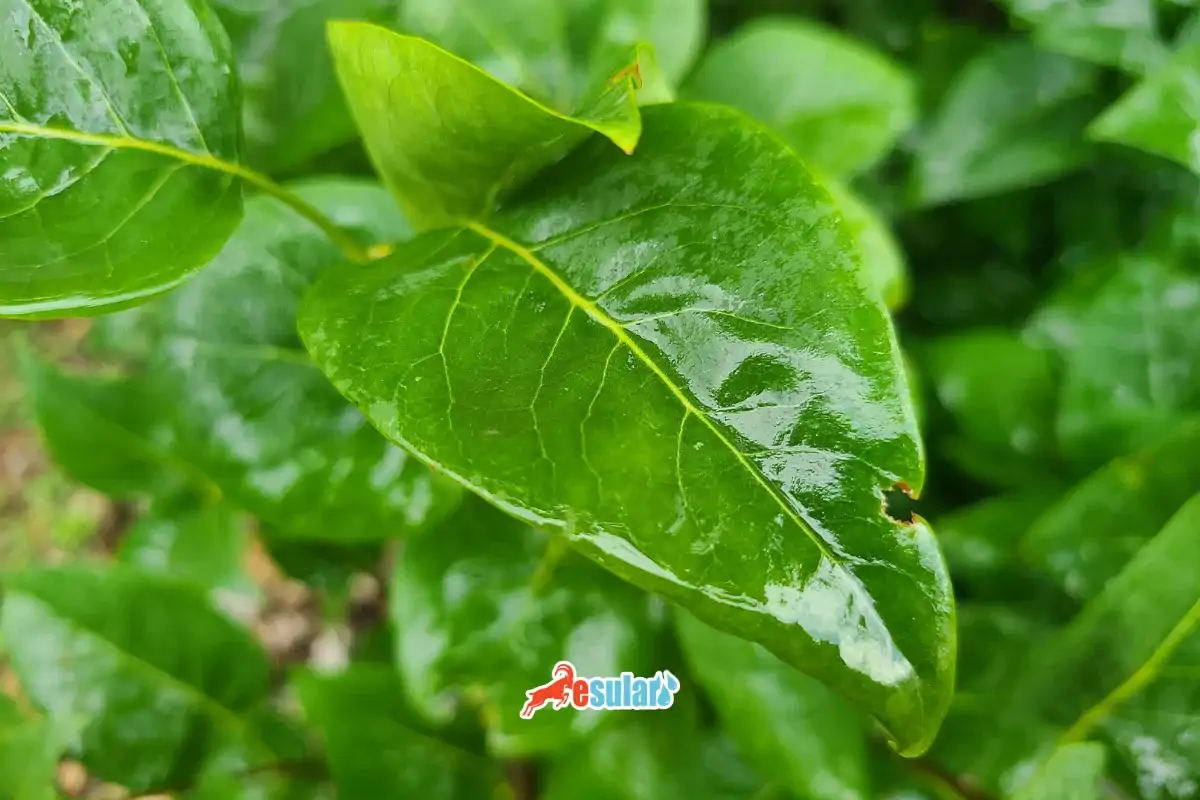
Marigold (Tagetes) is a plant known for its visual appeal in parks, landscape areas, gardens, and pots, being easy to care for and versatile in use. Generally grown as an annual, this flower decorates gardens in spring and summer months with its bright and vivid colors. This sun-loving and soil-modest plant is used in garden arrangements, cut flower arrangements, and even some culinary applications. Growing marigolds can be easily achieved by paying attention to factors such as correct soil selection, irrigation habits, fertilization, and pest control. This plant is an ideal option for garden lovers with both its visual richness and diversity of use.
When to Plant Marigolds?
The most ideal time to sow the seeds of the flower is the spring months; during this period, the danger of frost usually disappears. Although March is accepted as the most suitable month, if there is still a risk of frost in your region in March, it will be healthier to postpone the planting process to April or May. Additionally, if you want to start early, you can grow the seeds as seedlings in an enclosed area.
How to Plant Marigolds?
To plant marigolds, you first need to choose a place that receives full sun. These annual flowers can tolerate some shade, especially in regions where temperatures are high during the summer months. However, when grown under full sun, flower colors become more vivid and striking. Before starting the planting process, it is important to lightly moisten the soil. You can do this by lightly spraying water a few hours before sowing the seeds. This way, the soil remains moist without being too wet, creating an ideal environment for the seeds to germinate. After spreading the seeds on the soil at intervals, cover them with just enough soil to cover them by lightly pressing them into the soil. It is important that the seeds are not buried too deep for a faster and healthier germination process. After covering the seeds, you can complete the process by giving water gently. This ensures the seeds stay in place and establish good contact with the soil.
Do Marigolds Need a Lot of Water?
Marigold is a plant that needs to be watered correctly to be healthy and long-lived. These flowers are sensitive to excess water and prone to root rot. For this reason, the amount and frequency of irrigation should be carefully adjusted. The best irrigation method is bottom irrigation or drip irrigation. These methods ensure that the water reaches the roots directly and prevents fungal diseases by preventing the leaves from getting wet. Early morning or late afternoon should be preferred as the irrigation time. Because at these times, the evaporation rate of water is low and the plant uses the water more efficiently.
How to Care for Marigolds?
Marigold care is quite easy. They do not need soils rich in fertilizer and love plenty of sunlight. It is important to fight pests such as slugs, and care should be taken in this regard. Propagating marigolds is also quite simple; annual seeds can be collected. Regularly cutting off dead flowers encourages more blooming. Weeds are the biggest threat to marigolds, so it is important that the area to be planted is cleared. Marigolds keep harmful pests away, but they may also show repellent properties to cats and dogs. Those who keep pets in their garden should take this into consideration. It is possible to grow vegetables and fruits around the marigold; especially tomatoes grow better when grown together with marigolds, and insect problems are rarely experienced. If infestation occurs, it can be easily controlled using a water spray. With proper care and attention, marigolds continue to grow healthily and open beautiful flowers for a long time.
Are Marigolds Edible?
Marigolds can also be used in dishes in some cultures, but they are generally preferred as ornamental plants. Although there are edible varieties, caution is required because some varieties can be toxic. Edible ones are generally known for their pleasant spicy or sour flavors. However, before trying a marigold dish, one must be sure that it is the correct variety of the plant and that it has been grown correctly.