Tüm Yazılar

How to Grow Passion Fruit?
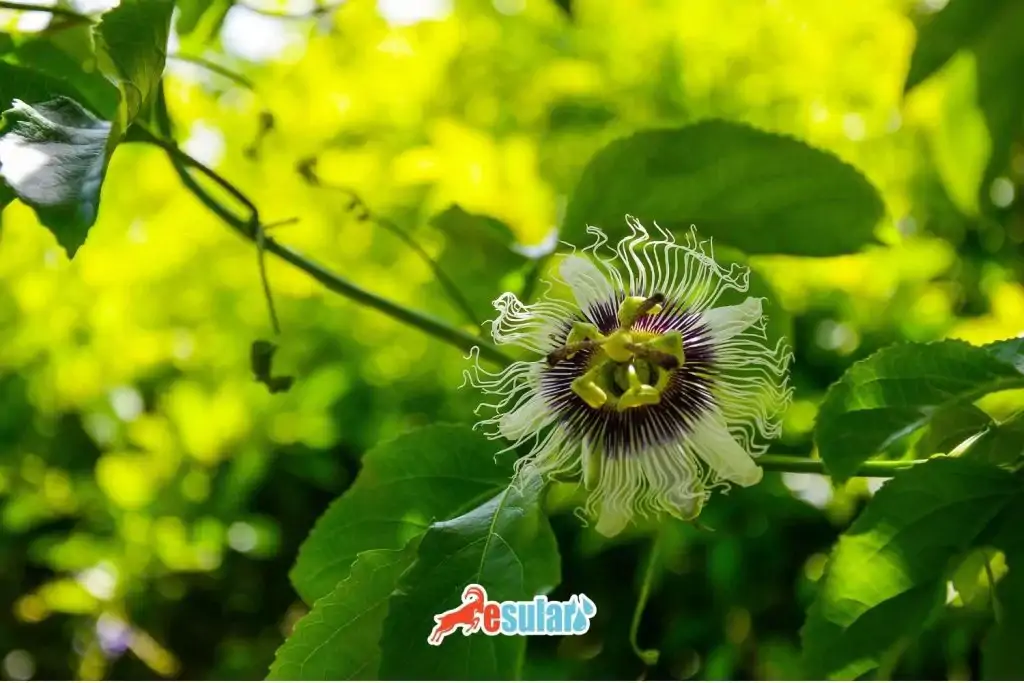
Passion fruit cultivation offers an ideal option for exotic fruit production and landscape decoration. Passion fruit (Passiflora) is an exotic plant known for its fascinating flowers and delicious fruits. Native to South America, this plant grows naturally in tropical regions such as Brazil and Argentina. Passion fruit, which has also become popular in the Mediterranean and Aegean regions of Turkey in recent years, attracts interest both as commercial cultivation and as a hobby garden plant. Passion fruit is a hardy plant that can adapt to various climatic conditions. However, for it to be grown most productively, it is important to provide the correct climate, soil, and care conditions. The plant's attractive flowers stand out not only aesthetically but also by attracting pollinators such as bees and butterflies. Its fruits stand out with their intense aroma and nutritional properties; they contain important nutrients such as vitamins C, B1, B2, calcium, and phosphorus.
Ecological Requirements of the Passion Fruit Plant
The passion fruit plant (Passiflora) needs certain ecological conditions to grow healthily and productively. The ecological requirements of this special plant are as follows:
Climate: Passion fruit loves tropical and subtropical climates. Temperatures between 20-30°C are ideal. It must be protected from cold weather, especially temperatures below 0°C. In our country, the Mediterranean and Aegean regions have suitable climate conditions for passion fruit.
Light: The passion fruit plant needs plenty of sunlight but should be protected from direct sunlight. Semi-shaded areas are the most suitable. Growing it in places where it can receive sunlight indirectly supports the healthy development of the plant.
Soil: Passion fruit prefers well-drained, moist, and slightly acidic soils. The soil being rich in organic matter positively affects the development of the plant. Soil pH value should be between 5.5 and 7.
Humidity: The plant needs high humidity levels. Especially in hot summer months, it is important to keep the soil constantly moist.
Irrigation: Regular irrigation ensures the plant stays healthy. Irrigation should be done when the top layer of the soil dries out, and excessive irrigation should be avoided.
Wind and Air Currents: The passion fruit plant, which must be protected from strong winds and air currents, should be protected from the wind with support structures or protective fences.
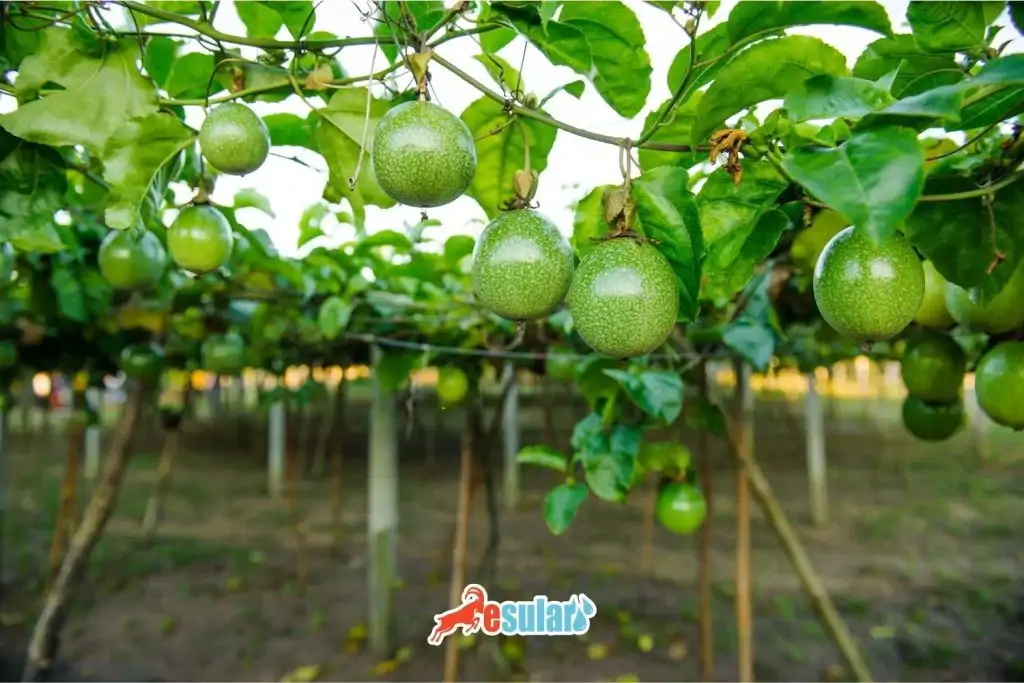
Growth Space: Passion fruit can grow by climbing on structures such as walls, pergolas, or trellises. Sufficient space should be provided and an environment suitable for the plant's spread should be prepared.
Does Passion Fruit Grow in Turkey?
Passion fruit cultivation is successfully carried out in Turkey, especially in the warm and humid climate of the Mediterranean Region. The provinces of Antalya, Adana, Mersin, and Muğla can provide the ideal temperature and sunny environment that passion fruit needs. Although passion fruit is of tropical origin, it has become a valuable plant both economically and aesthetically thanks to the suitable climate conditions in these regions. High temperatures and plenty of sunlight allow this exotic fruit to produce delicious and nutritious fruits. Additionally, this fruit species increases agricultural diversity in the region by offering an innovative option for local agriculture.
Passion Fruit Plant Care
Irrigation:
Passion fruit requires regular and correct irrigation for healthy growth and productive fruiting. Keeping the soil constantly moist is critical for the healthy development of the plant's roots. However, excessive irrigation can cause root rot, so care must be taken. In the summer months, considering that the soil can dry out quickly in hot weather, it is recommended to water your plant 2-3 times a week. In the winter months, reduce the frequency of irrigation, wait for the soil to dry, and water considering the drying of the top layer of the soil during this process.
Fertilizing:
Fertilizing for passion fruit cultivation supports the strong and healthy development of the plant and increases fruit yield. Generally, regular fertilizing is recommended during the plant's growing season, which is spring and summer. For fertilizing, you can choose a balanced fertilizer containing nitrogen (N), phosphorus (P), and potassium (K). Especially nitrogen supports the development of the plant's leaves and stems, while phosphorus and potassium increase fruit quality and root development. As for the frequency of fertilizing, you can apply it once every 4-6 weeks. If you are using granular fertilizer, distribute the recommended amount evenly on the soil and then water thoroughly. If you prefer liquid fertilizer, you can apply it by adding the recommended dosage to the irrigation water. In addition to fertilizing, compost or organic mulch applied to the root zone of the plant also increases soil quality and ensures better utilization of nutrients by the plant.
Passion Fruit Harvest and Storage
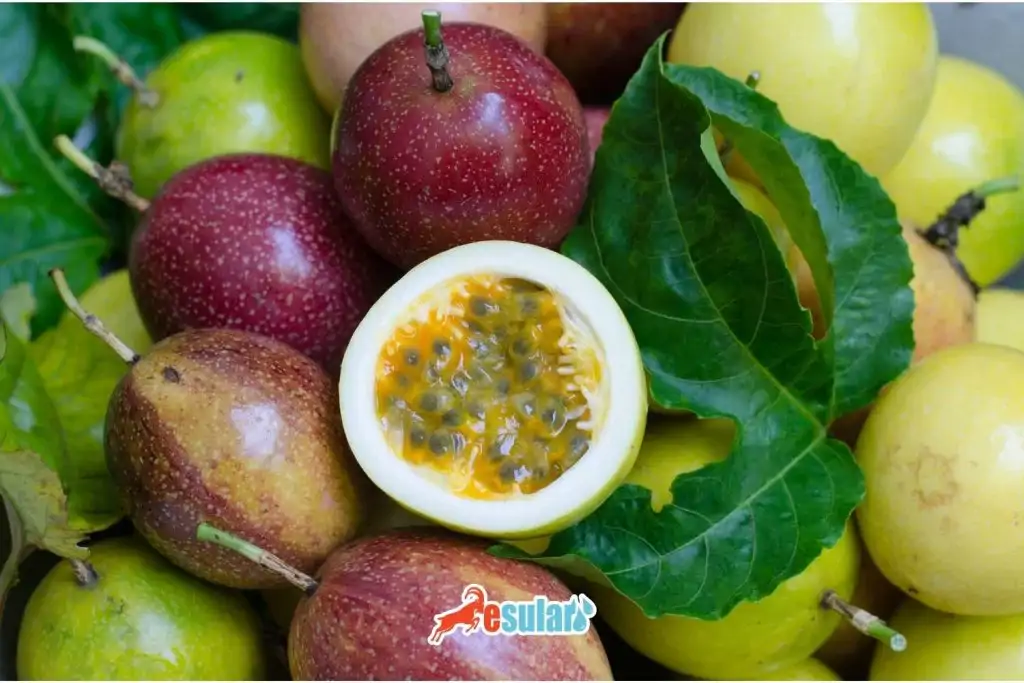
Passion fruit usually ripens 6-8 weeks after flowering. You can determine fruit ripeness by the color and texture of its outer skin. In purple-skinned varieties, the fruit turns a dark purple color and small cracks form on the skin. In yellow-skinned varieties, the fruit is bright yellow and a slight roughness occurs on its surface. The fruit is ready to be harvested when it separates easily from its branches and shows a bit of softness when lightly pressed. Fruits harvested early do not complete the ripening process and their flavors may not fully develop. Therefore, it is important to wait for the fruits to fully ripen.
Storage of passion fruit is a matter that needs attention to maintain the quality and freshness of the fruit. You should store harvested fruits in a cool and dry place, away from direct sunlight. Cracks or damages that occur can cause the fruits to spoil quickly, so it is important to place the fruits carefully and ensure they do not come into contact with each other. After the fruit has ripened, storing it in the refrigerator can help maintain the freshness and taste of the fruit for a longer period. You can store the fruits in the refrigerator for about 1-2 weeks.
Benefits and Usage Areas of the Passion Fruit Plant
The passion fruit plant offers many health benefits. Known for its relaxing and calming properties, passion fruit can help alleviate stress and anxiety, especially when consumed as a tea. The compounds contained in the plant can improve sleep quality by soothing the nervous system. Additionally, passion fruit regulates bowel movements and prevents constipation thanks to its high fiber content that supports the digestive system. Rich in vitamins and antioxidants that strengthen the immune system, passion fruit provides protection against free radicals. Also, it supports heart health and can help regulate blood pressure thanks to its potassium content.
Usage Areas of the Passion Fruit Plant
The passion fruit plant can be used in various foods and beverages. It can be consumed as fresh fruit, and is also used in fruit juices, cocktails, desserts, ice creams, and fruit salads. The unique aroma of the fruit adds a different flavor to dessert and beverage recipes. Passion fruit tea is preferred especially for dealing with sleep problems and stress due to its relaxing effects. In beauty products, passion fruit extracts found in skincare products can help correct skin tone and nourish skin cells. Additionally, the passion fruit plant can be used as an ornamental plant in gardens and landscape designs thanks to its decorative features.
Economic Potential of Passion Fruit Cultivation
Passion fruit cultivation has great economic potential from both an agricultural and commercial perspective. This plant, which grows rapidly in tropical and subtropical regions, offers farmers high yields and a profitable market, especially with cultivation carried out in the Mediterranean and Aegean regions. Passion fruit is one of the exotic fruits in demand worldwide and is especially popular in the European market. The fact that it is still a new product in our country offers opportunities for demand growth in the market and for the development of production capacity to meet this demand. Fresh consumption of passion fruit, fruit juice production, and its utilization as various processed products provide additional income sources for farmers. In addition, the high market prices of the passion fruit plant allow farmers to cover their production costs and increase their profit margins. Especially the passion fruit flower and fruit are considered products in the luxury segment, and this situation increases high pricing and profit potential.
Kategoriler
Etiketler