Tüm Yazılar

How to Grow Sage?

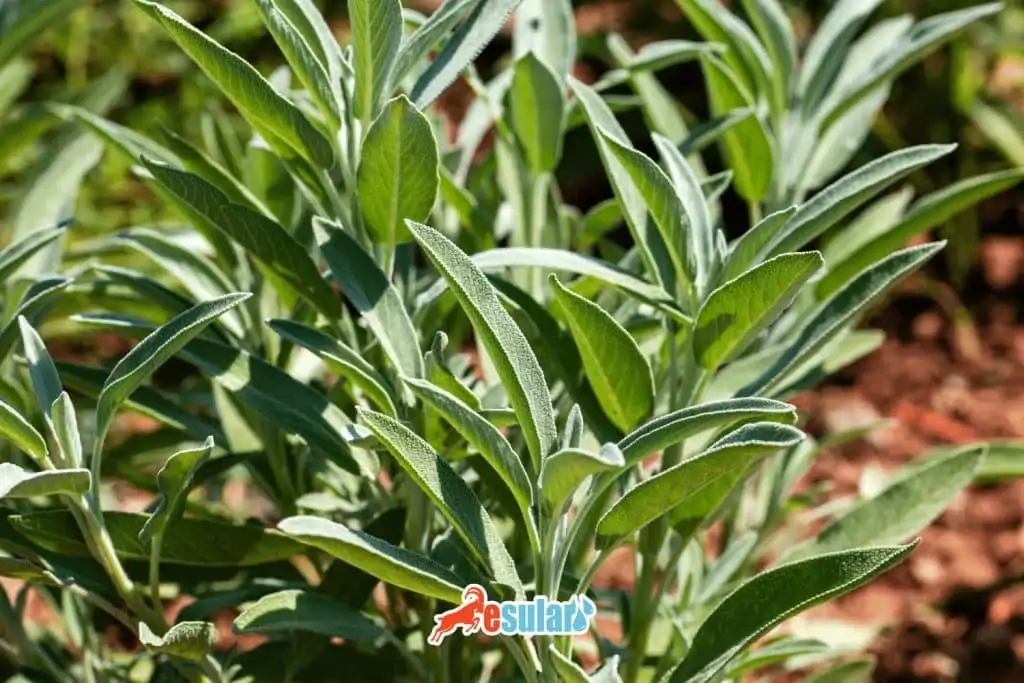
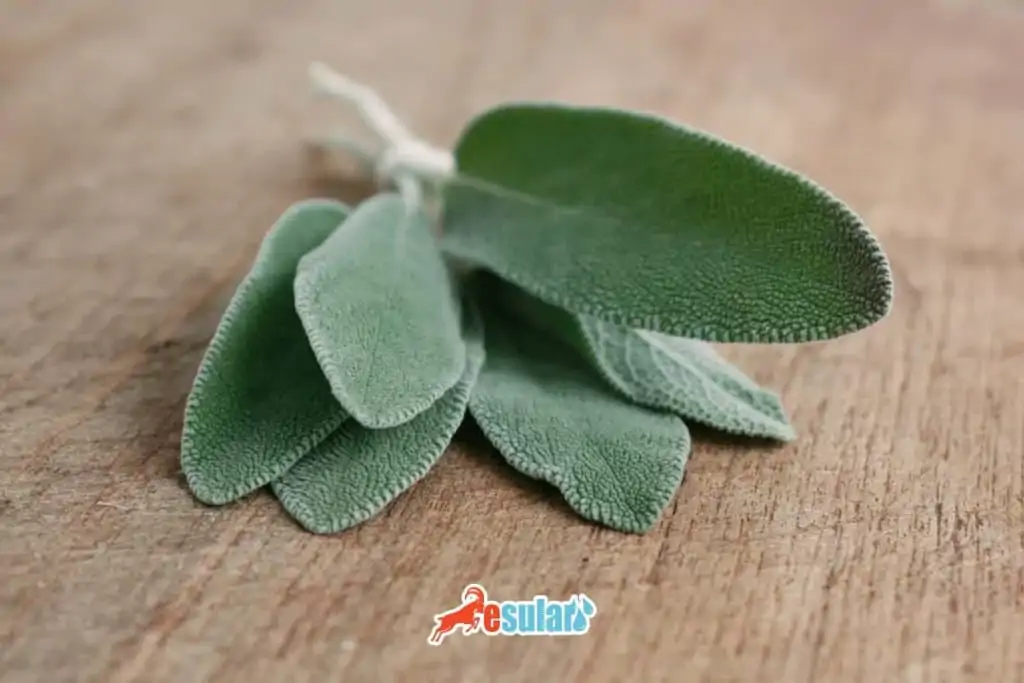
Sage cultivation is an agricultural practice that yields highly successful results under the right climate and soil conditions. This plant, belonging to the Lamiaceae family, prefers warm, sunny, and well-drained soils. Sage, known as Salvia officinalis, is recognized for its characteristic pleasant scent and aromatic structure. Sage is a plant that requires little water and stands out for its ease of maintenance. The fact that it is not sensitive regarding irrigation and its general maintenance is simple is a great advantage for producers. Furthermore, the rapidly increasing popularity of this plant makes sage cultivation even more attractive. Considering market demands, sage is a versatile product. Known for its antioxidant and anti-inflammatory properties, sage is also frequently preferred in health and natural medicine products. With these features, sage has found a place for itself as a valuable agricultural product in both local markets and the international arena. With the right strategies and quality production, sage cultivation can be a significant source of income.

Climate And Soil Structure In Sage Cultivation

Sage generally prefers warm and temperate climates, but must be protected from extreme cold in the winter months. Regions sheltered from winds and with high humidity can be beneficial for the development of sage, especially during its youth period. However, adult sage plants are extremely resistant to dry conditions. Soil structure also holds great importance in sage cultivation. The plant prefers sandy-loam, loamy-sand, and soils with high lime content. Well-drained, light, and permeable soils are necessary for the healthy development of sage roots. Conversely, heavy and clayey soils are not suitable for sage because these soil types hold water well and can damage the plant's roots. Additionally, for the best nutrition of sage, the soil pH level should be between 6 and 8. These ideal conditions are necessary for healthy growth, high productivity, and obtaining quality products in sage cultivation.

adacayi-tarimi

Seedling Planting In Sage Cultivation

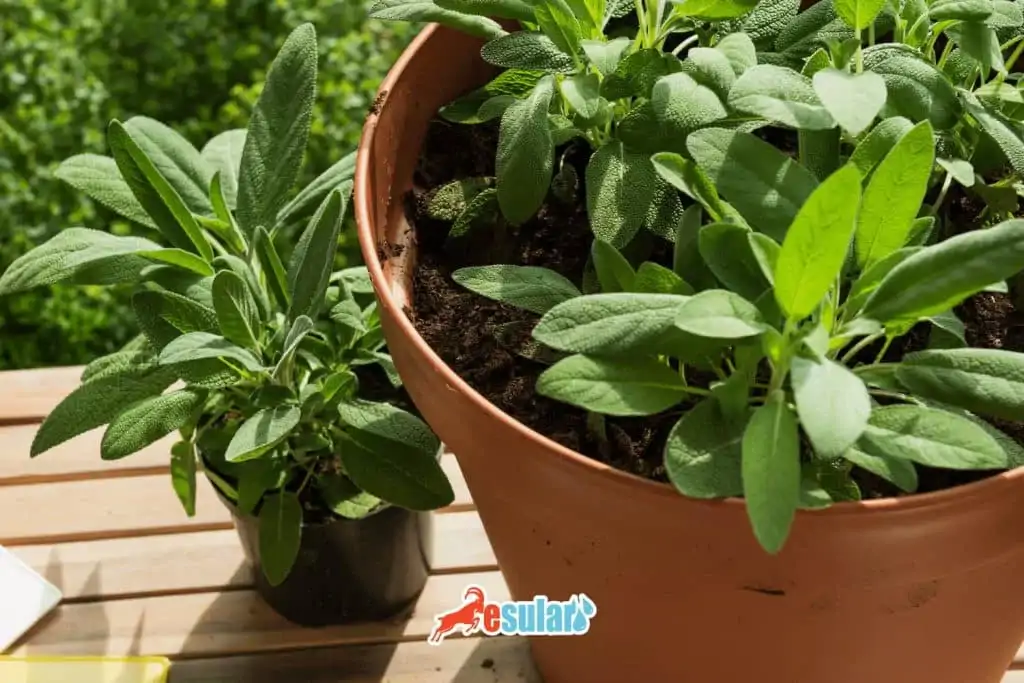
Both seed and cutting propagation methods are used in the production of the sage plant. Cuttings or seeds are made into seedlings in separate containers and then transferred to the field. Soil preparation is important in this process. Deep plowing should be done where the seedlings will be planted in the field, then the soil surface should be leveled with tools such as disc harrows, rakes, or spring-tooth harrows. The ideal planting distance in sage cultivation is generally determined as 50×35 cm. This distance provides a suitable interval for the plants to grow optimally and not shade each other. With these methods, sage cultivation forms its fundamental steps for healthy and efficient production.

When Is Sage Planted?

The most suitable time for sowing sage is between the months of October and March for sowings done with seeds. When the seedling planting method is preferred, seedlings are planted in the field until the end of March, at the latest by the beginning of April, with 15 cm spacing within rows and 45 cm spacing between rows. During the development process of sage, throughout the vegetation period, the hoeing process is repeated many times to support the healthy growth of the plant and to keep unwanted weeds under control.

adacayi-nasil-hasat-edilir

Fertilization In Sage Cultivation

Research on sage cultivation shows that the most effective fertilizer to increase the yield of the plant is nitrogenous fertilizer. In the first year, 12 kg of Ammonium Nitrate per decare should be applied along with planting. To maintain the plant's yield after cutting, 18 kg of Ammonium Nitrate per decare should be given. To increase resistance against cold, 15 kg of Potassium Sulfate per decare should be applied. In the second year, fertilizer amounts can be slightly reduced compared to the 1st year. However, basic fertilization principles remain the same. Fertilization should be repeated with reduced amounts in nitrogenous fertilizers and Potassium Sulfate application. Generally, sage's phosphorus requirement is not high. Therefore, the use of phosphorus fertilizers should be kept at a minimal level, and the phosphorus content of the soil should be checked regularly. Correct fertilization is of critical importance for the healthy growth, development, and high yield of the plant. The fertilization recommendations mentioned above can be applied to provide ideal growth conditions for sage and to obtain a productive harvest. However, fertilization amounts and timing should be adjusted by considering soil characteristics, climate conditions, and other growth factors.

Harvesting In Sage Cultivation

In the first year, especially when the planting time is late, sage is not cut. However, as of the second year, it is observed that sage exhibits strong growth. During this period, sage plants reaching up to 60 cm in height come to the collection stage. Cutting sage before flowering increases the ratio of active substances in the leaves, thereby raising product quality and market value. For cutting, the cutting process is completed starting from approximately 10 cm above the root. For sage planted in April, a light and superficial cutting is recommended in August. In subsequent years, while the first cutting is done after the plant becomes slightly woody, the second cutting is carried out in August and again superficially, not deeply. Harvest is generally done with the help of a sickle. Methods such as hand pulling or tearing from the root are strictly not recommended as they can damage the plant. During harvest, care should be taken that the weather and soil are dry. Otherwise, harvest performed in humid conditions may cause yield losses. 

adacayi-tarimi

How Much Sage Is Produced From 1 Decare?

The amount of sage to be obtained from a 1-decare area varies depending on climate conditions and environmental effects. Generally, the average yield obtained in regions where sage cultivation is practiced is between 130 and 260 kg/da. However, this value can be higher in regions with ideal growing conditions, while it may be lower in areas with challenging climate and soil conditions. Therefore, it is very important for those cultivating sage to take the local conditions of the region into account.

Diseases And Pests Seen In Sage Cultivation

Fungal diseases can have negative effects on the root system of sage. Specifically, they can lead to problems such as root rot. To reduce the impact of such diseases, it is necessary to improve drainage in soils with high water-holding capacity. In this way, the root zone is better ventilated and the risk of fungal disease formation decreases. Additionally, periodic cleaning of the lower leaves of the plant and preventing the accumulation of plant debris in the soil can also help prevent the spread of diseases and pests. These measures are important for protecting plant health and productivity in sage cultivation.

Yorumlar

Daha Fazla İçerik İster misiniz?

Akıllı tarım hakkında en güncel içerikleri takip edin.