Wild Carnation
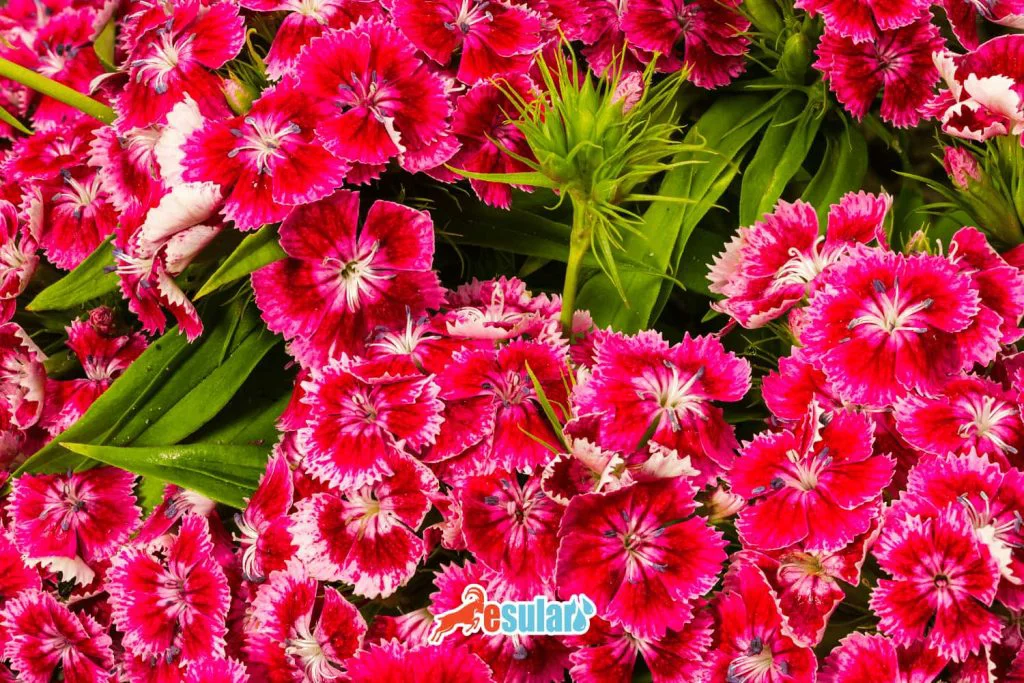
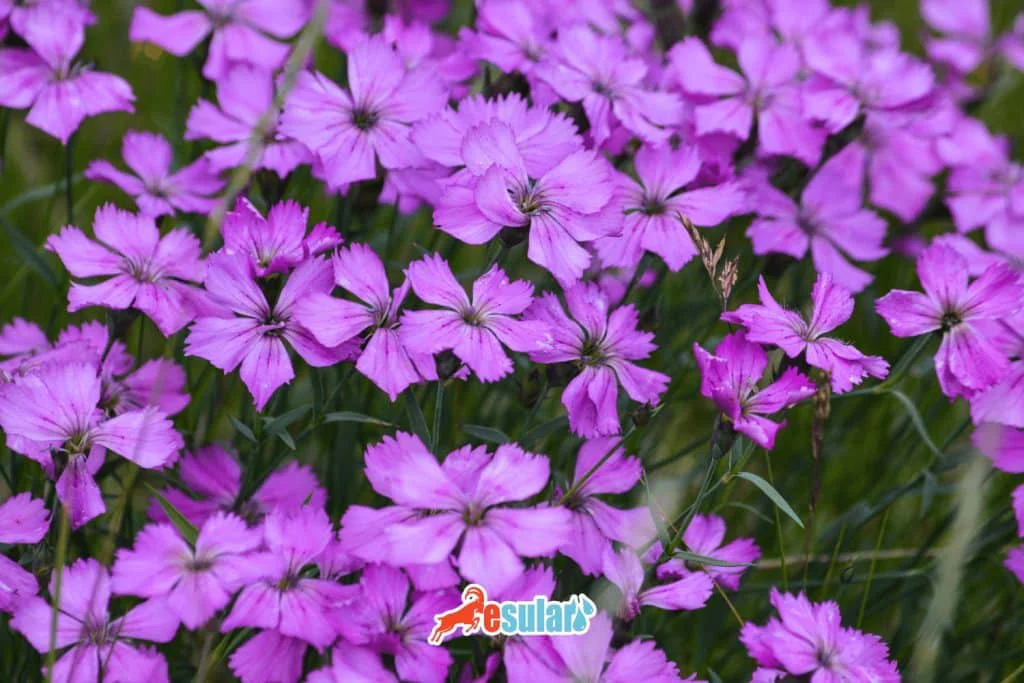
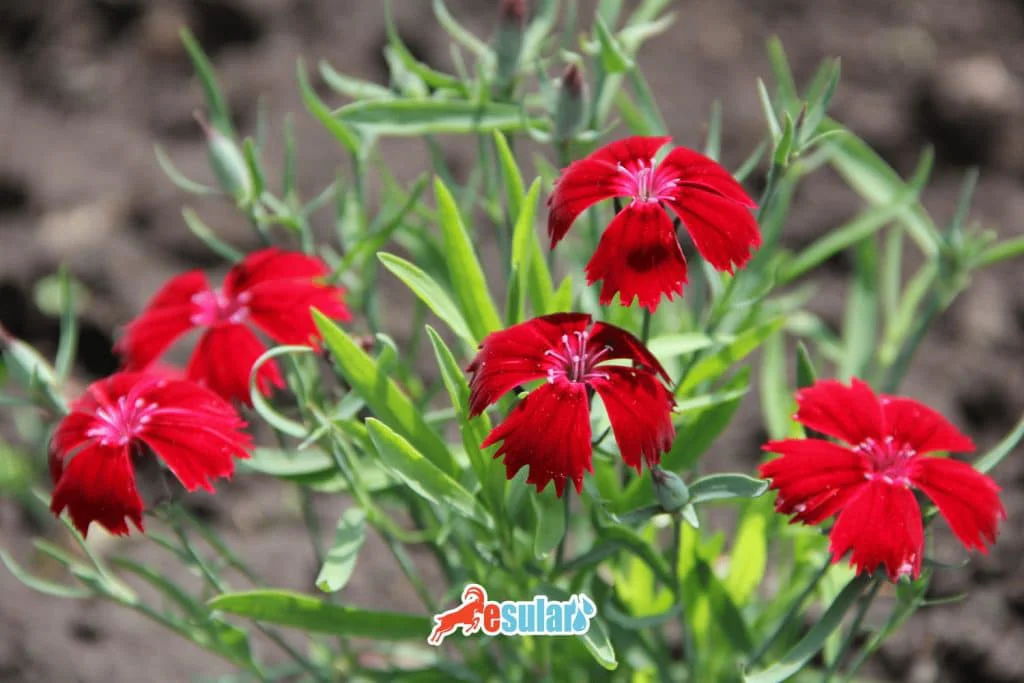
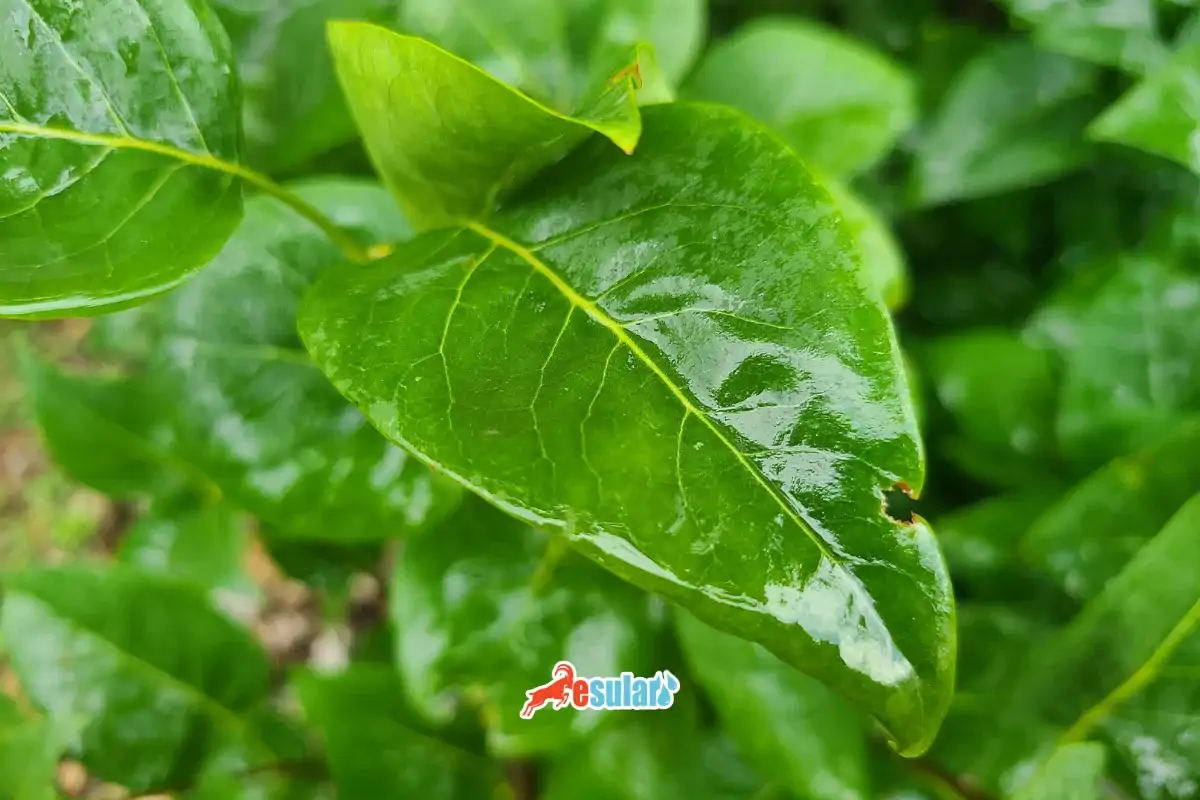
Wild carnation (Dianthus caryophyllus) is a plant species from the carnation family (Caryophyllaceae). However, the term “wild carnation” usually refers to carnation species that grow naturally in nature and generally differs from garden species. The flowers of the wild carnation are usually pink or white and are quite small, showy, and fragrant. Its leaves are lance-shaped and green. Wild carnation is also used as an ornamental plant in gardening, especially preferred in rock gardens and natural-looking gardens.
Carnations are generally popular flowers known for their aesthetic and pleasant scents. Garden carnations are frequently preferred ornamental plants in gardens due to their wide range of colors and long-lasting structure. Also, they are known for their use as cut flowers, thereby adding beauty to interiors. On the other hand, wild carnation is a plant that grows spontaneously in natural ecosystems and is important for these ecosystems. Wild carnation contributes to the balance of the ecosystem by creating shelter and feeding areas for native plant and animal species in its natural habitat. Additionally, the reproduction of wild carnation through natural pollination plays an important role in the life cycles of native insects and other living things. Both species are important with their different characteristics and, together with proper care and protection, support both garden beauty and the sustainability of natural ecosystems.
Where Does Wild Carnation Grow?
Wild carnation (Dianthus caryophyllus) usually prefers roadsides, meadows, calcareous soils, and coastal regions as its natural habitats. This plant likes sandy and well-drained soils, so it usually lives in these types of habitats. The flowers of the wild carnation usually bloom individually or rarely in small numbers. The edges of its flowers have a serrated and rough structure. The flower colors of the wild carnation are quite diverse. Its most common colors are white, pink, and red, but purple and yellow tones can also be found in some species. These different colors vary depending on the plant's natural habitats and the conditions in which it grows.
How to Care for Wild Carnations?
- Wild carnation does not need special care as it is a plant that usually grows spontaneously in natural environments. However, if you want to grow this plant in your garden, it may be important to pay attention to the following factors:
Soil: It prefers well-drained and calcareous soils. It is important to provide an environment that preserves soil moisture well but does not allow water accumulation.
Light: Growing it in an area exposed to at least six hours of sunlight is important for optimum growth.
Water: Wild carnation is resistant to drought conditions. Irrigation needs are limited, so avoid overwatering. You can wait for the soil to dry and then irrigate.
Care: It is generally a maintenance-free plant. However, it may be beneficial to review it regularly to clean and check dried or dead parts.
Propagation: If you want to propagate wild carnation, you can use seeds or the root nodes of the plant. You can propagate by sowing your seeds directly in the garden or by planting seedlings in the soil at an appropriate time.
When growing wild carnation in your garden, creating an environment suitable for the plant's natural characteristics usually provides the best results.
How to Propagate Wild Carnation?
Wild carnation can be propagated and used to cover more area in your garden. Here are some ways to propagate wild carnation:
-
Propagation by Seeds:
- Seeds of the carnation usually fall when they mature. Store the seeds you collect in a dry and cool place.
- Sow the seeds in a suitable soil mixture and cover them lightly. Irrigate after planting.
- Wait for the seeds to germinate. You can continue growing the germinated seedlings by planting them in your garden or a pot at an appropriate time.
-
Propagation by Root Nodes:
- This plant can also be propagated through root nodes. Parts separated from the root nodes of an existing plant can grow as new plants.
- Using a shovel or garden fork, gently dig the soil around the plant and reach the root nodes.
- Carefully separate firm and healthy root nodes. Plant each in a separate area or pot and water.
-
Propagation by Division Method:
- You can move a mature wild carnation plant to new areas where you want to propagate it.
- Carefully remove the plant and separate the divided parts among its roots.
- Plant these parts in a suitable soil and water.
Remember that since wild carnation is a plant that naturally spreads spontaneously, propagation methods are usually easy. Performing propagation processes during the plant's most suitable growth periods can help you achieve more successful results.
Benefits of Wild Carnation
Wild carnation (Dianthus caryophyllus) is a flower known for its beautiful appearance and pleasant scent. However, it may have some beneficial properties from a medical perspective. Here are some of the potential benefits of wild carnation:
Antioxidant Properties: It contains antioxidant components. Antioxidants can reduce cellular damage by fighting free radicals in the body and support general health.
Anti-inflammatory Effects: Some studies suggest that wild carnation may have anti-inflammatory properties. This feature can help manage conditions associated with inflammation.
Stress Reducer: Its scent may have a stress-reducing effect for some people. It can be used in aromatherapy applications and create a relaxing atmosphere.
Digestive System Support: It may contain some components that can support digestive system health. It can help deal with digestive problems.
Pain Reliever: Wild carnation has been used as a pain reliever in traditional medicine. It can be used locally in cases such as toothache.
Supporting the Immune System: With its antioxidant content and some vitamins and minerals, wild carnation can support the immune system.
However, not all of these benefits are scientifically proven and more research needs to be done on the medical use of wild carnation. It is important to consult a health professional before using wild carnation to treat or prevent any medical conditionK
What are the Meanings of the Carnation Flower?
Carnation is a special flower with its different colors and meanings:
Red carnation is a symbol of love and warmth. At the same time, it can represent longing after a loss. However, usually, red carnation is used to express deep feelings and passion.
White carnation is a symbol of innocence, purity, and cleanliness. In harmony with the purity of white, this type of carnation gains meaning especially on Mother’s Day.
Pink carnation symbolizes sincerity, heartiness, and compassion. People usually prefer pink carnation to express their sincere feelings.
Purple carnation represents the special bond and nobility between lovers. This rare-colored carnation is used to express mysterious and deep feelings.
Yellow carnation symbolizes loving feelings and sincere devotion. It can also express unexplained feelings and sadness. Yellow carnation is sometimes preferred to reveal complex and deep feelings.

Yorumlar