Increase Forage Yield with Smart Irrigation Systems in Alfalfa
Alfalfa, called the queen of forage crops, has a higher forage value than almost all cultivated roughage crops. Alfalfa is a valuable perennial plant with high forage yield, capable of adapting to a wide range of environments, resistant to drought and cold, and can grow in any soil except acidic soils.
Alfalfa is a plant with highly developed adaptation characteristics. However, the most suitable growth and development environment is environments with abundant water and hot and dry weather conditions. For this reason, alfalfa can be described as a warm climate plant.
The Irrigation Period, Which Is Very Important in Alfalfa
One of the most important decisions in terms of maintenance is the irrigation timing and amount. The annual water requirement of alfalfa is approximately 1250-1300 mm. In summer months, the water demand is around 250-300 mm per month. Irrigation starts three days after seed sowing, and the soil is irrigated every two days until the first sprouts appear. A total of 5-6 irrigations should be performed until harvest. In addition, alfalfa must be irrigated one week before and after cutting.
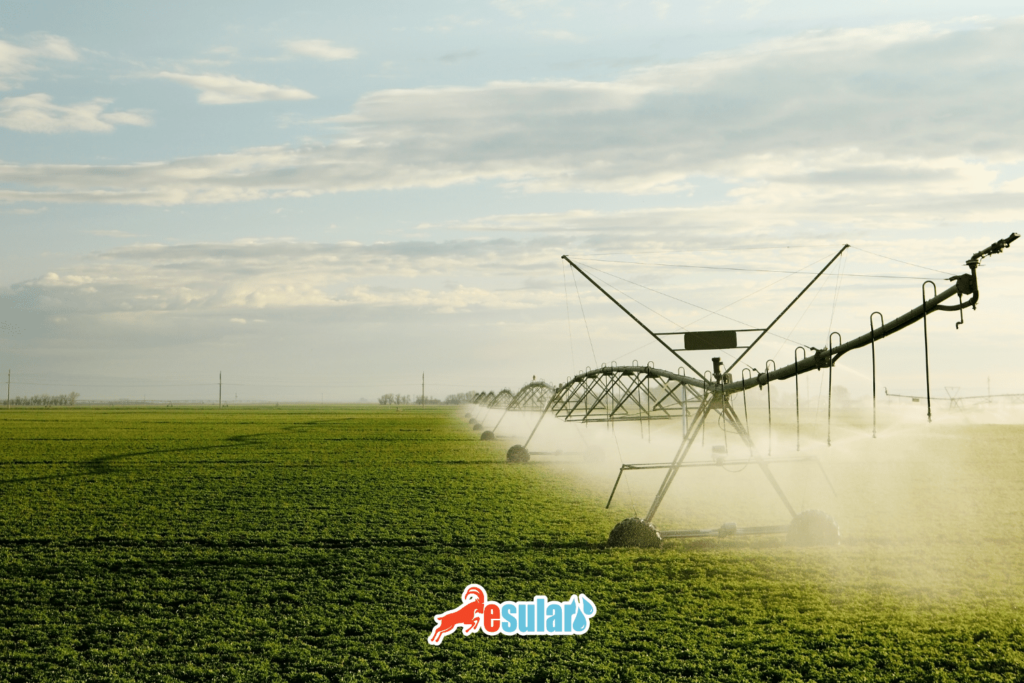
For the alfalfa plant, where irrigation is so important for forage yield and quality and the amount of water used is high, it is necessary to use smart irrigation systems that keep irrigation under control.
Advantages of Drip Irrigation in Alfalfa
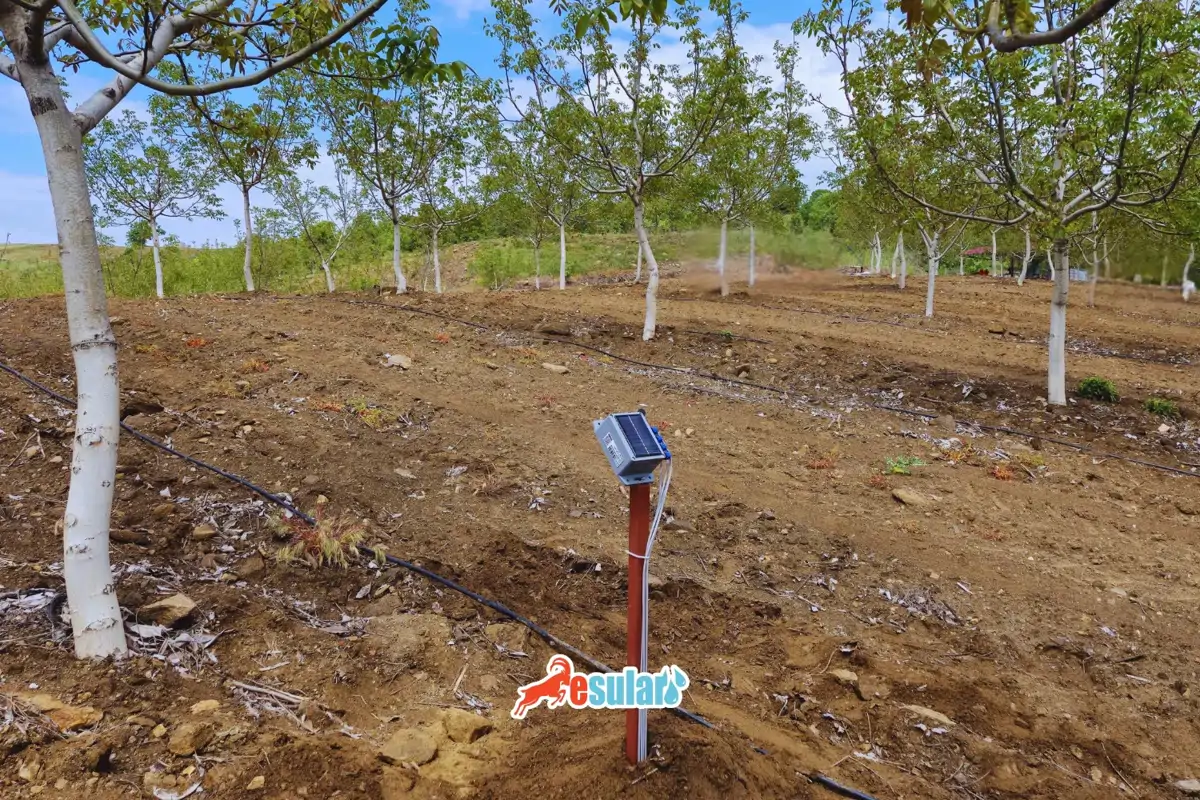
The most important thing for the development of the alfalfa plant is the water and nutrient distribution system. Thanks to drip irrigation, it brings the water and nutrients needed by the plant directly to the root zone. Moreover, it does this exactly at the time it should be.
In this way, while providing savings in water, energy, plant nutrition and protection products used, it helps to obtain higher yields than any soil.
Smart (Digital) Solutions for Situations to Be Considered in Alfalfa Cultivation;
Since alfalfa is a unique perennial plant with a deep root system requiring intensive irrigation, stress caused by too much or too little water negatively affects plant growth, development, and forage quality. Therefore, irrigation methods such as flood irrigation are a threat to high yield in alfalfa cultivation. What you need is consistent maintenance conditions; avoid excessive or insufficient water and nutrient applications.
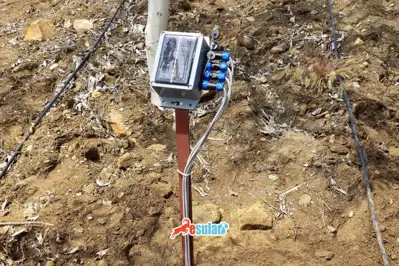
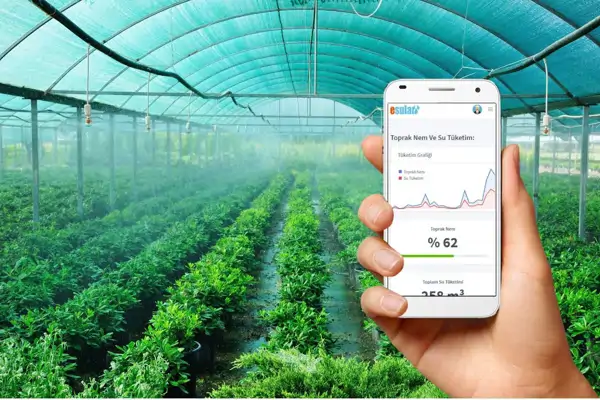
To increase the number of cuttings and forage quality in alfalfa, you can keep the moisture amount at an optimum level by adding many smart control sensors such as remote-controllable, smart, ultrasonic, and phased moisture sensors to your irrigation system, and you can provide predictive irrigation solutions based on meteorological data and precipitation status information.
With an automatic remote-controlled water meter, you can perform irrigation according to need, and tracking of leaks, losses, bursts, and excessive irrigation during the plant's irrigation period.