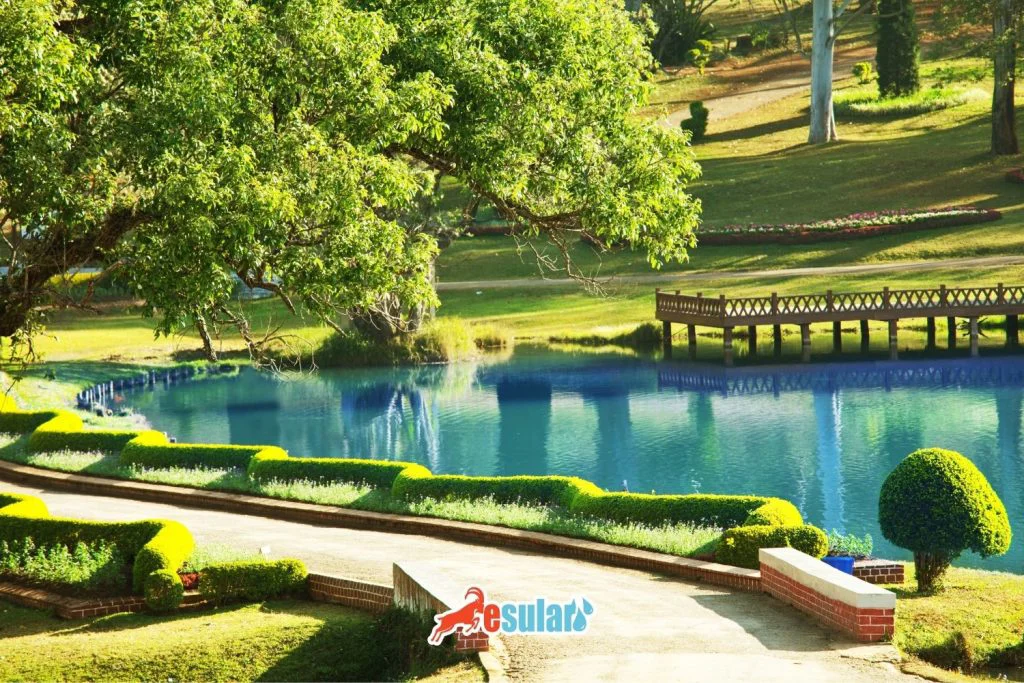
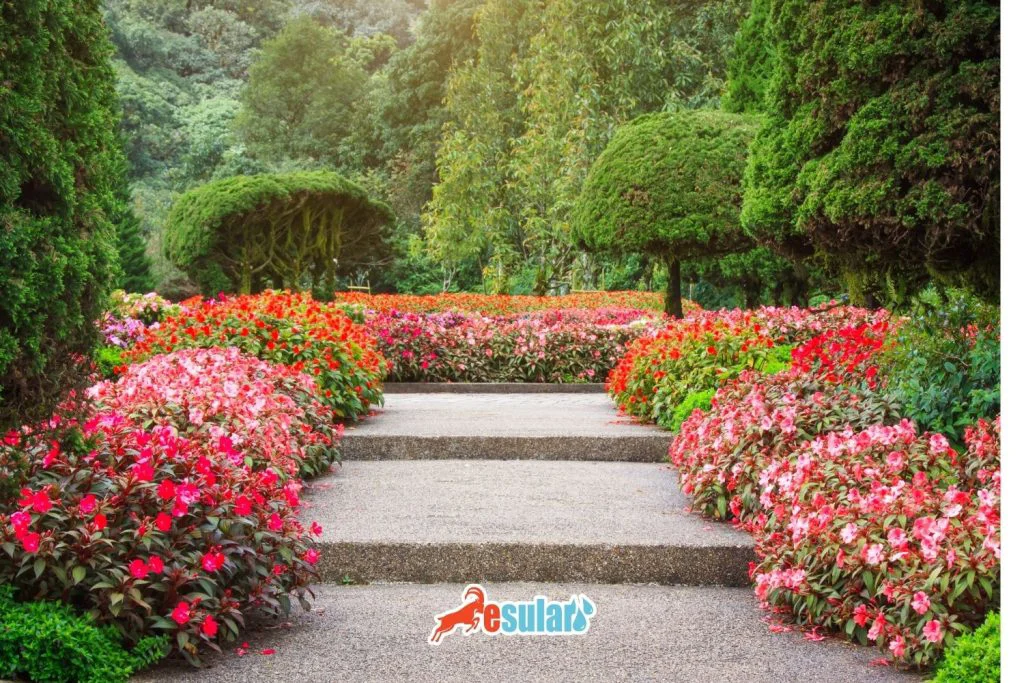
Landscape refers to the environmental arrangement carried out to ensure that modern living spaces can be in a harmonic balance with nature. Landscape offers aesthetic solutions to the problems brought by cities being covered with concrete structures and people moving away from nature. Landscape architecture aims to make city life more enjoyable through environmental arrangement. Since it is known that our physiological and psychological health deteriorates as contact with nature decreases, the optimal arrangement of natural elements in cities is important. Landscape includes not only garden arrangement but also general environmental arrangement methods used to improve the silhouette of metropolises. In visual arts, the term “landscape” is also used to express scenery depiction.
How is Landscaping Done?
Landscape is a concept that includes outdoor arrangement and aesthetic design. This design aims to increase the visual appeal and functionality of an area. Landscape works improve the general aesthetics of a place by bringing together natural elements (plants, trees, lawn areas, water features) and artificial elements (roads, furniture, decorative elements). The design process begins with site analysis and the determination of user needs. Then, a concept design is created and detailed design is initiated. In the implementation phase, the design is physically realized and maintenance plans are made for long-term sustainability. Landscape design aims to create creative and functional outdoor spaces to meet the desires of users, adapt to natural elements, and increase the aesthetic value of the place.
Why is Landscape Necessary?
Environmental arrangement is an important element within the scope of urban planning and aims to increase the aesthetic appearance, natural balance, and livability of cities. This concept, which was neglected for a long time in our country, has caused the concretization of cities and the reduction of green areas. In some large cities worldwide, for example, in regions with high population density such as Hong Kong and Tokyo, environmental arrangement is a major problem and it is difficult to find green areas. However, in our country, there is generally sufficient residential area and suitable conditions for environmental arrangement are available. Laws developed in recent years stipulate that constructions, roads, and other zoning activities be carried out in accordance with the principles of landscape architecture. Mass housing projects, for example, cannot be built without landscape applications. Any construction made must at least include environmental greening. Therefore, elements such as parks and gardens form an important part of landscape architecture in urban planning.
The necessity of landscape is a principle accepted by modern societies in terms of aesthetics and the comfort of the living space. It is thought that intertwined modern structures can create serious problems for human health. The monotony and lack of enjoyment of life in cities can also be explained by this situation. The desire to escape to nature during holiday periods stems from the inability of cities to provide a sufficient natural environment. Landscape architecture aims to position living spaces and even industrial areas in the best possible way within natural conditions. For this purpose, many aesthetic principles are adopted.
How is Landscaping Done?
The successful creation of a landscape requires a carefully planned process. The first step is a detailed examination of the area. Considering factors such as topography, climate, soil structure, and sunlight, the elements that will form the basis of the design are determined. Then, the function of the landscape is determined by considering user needs and the purpose of the design. Aesthetic elements such as plant selection, color palette, structural elements, and decorative elements shape the general appearance of the design. Details such as water features, paths, seating areas, and lighting, which require special attention in landscape architecture, are also added to the plan. The design is completed by considering ecological sustainability and ease of maintenance. Finally, under the supervision of a professional landscape architect or designer, the implementation phase of the plan begins. This process ensures the emergence of a landscape that is compatible with nature, aesthetic, and functional.
How is Landscape Irrigated?
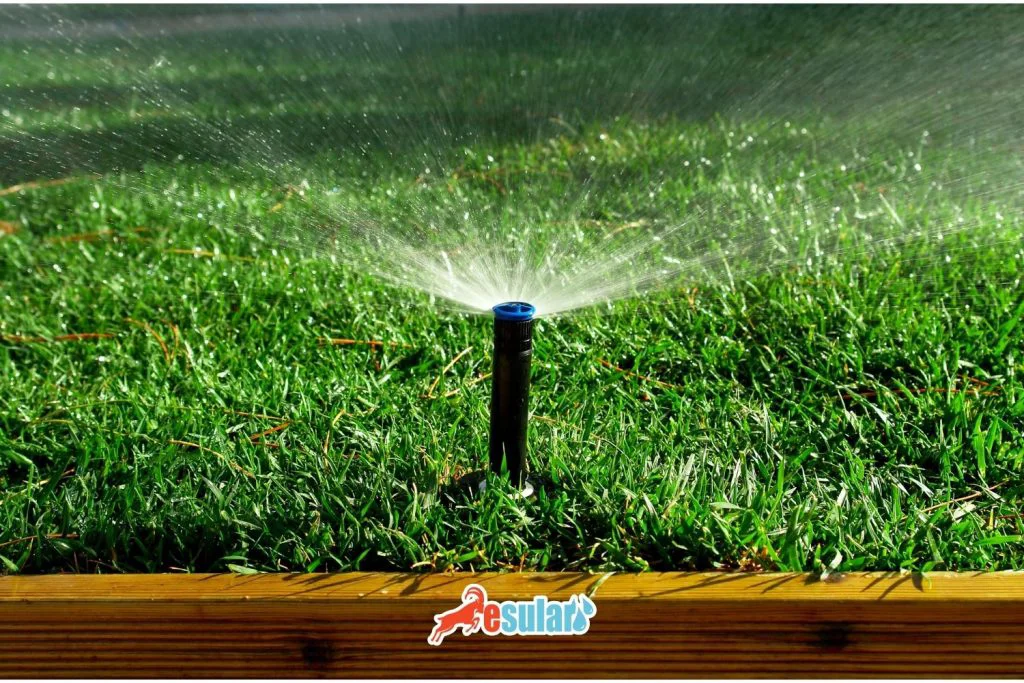
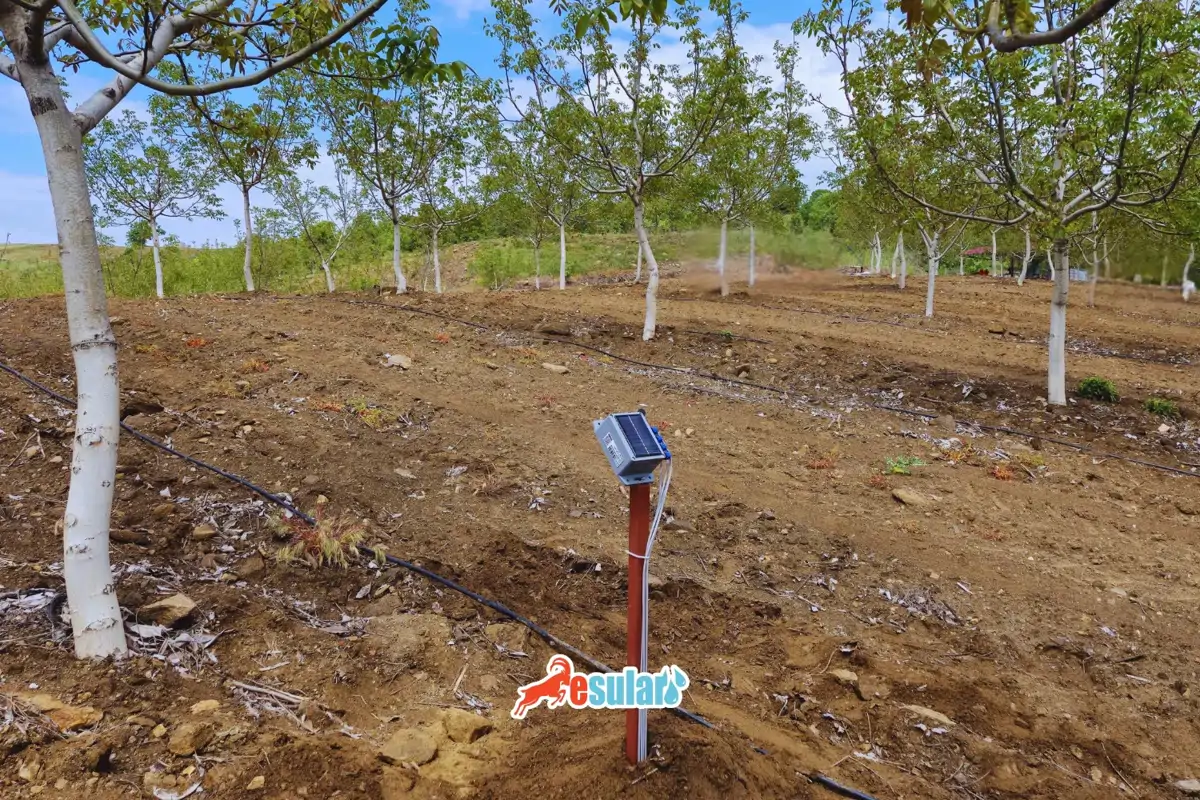
Effective irrigation of the landscape is of vital importance for plants to maintain healthy development and for environmental arrangements to preserve their aesthetic appearance. There are various factors to be considered in this process. First, irrigation time and frequency should be determined according to the needs of the plants; usually, morning and evening hours should be preferred. Soil types and drainage status also affect the irrigation program; an appropriate irrigation plan should be created considering soil absorbency. Since different plant species have different water needs, the amount and frequency of irrigation should be adjusted according to plant varieties. Among irrigation methods, there are options such as drip irrigation, sprinkler, and underground irrigation, while the most suitable one should be selected depending on the landscape design and plant characteristics. Water quality is also important; excessively salty or limey water can damage plants. Use of organic mulch saves water and nourishes plants by preserving soil moisture. Additionally, tracking the amount of precipitation and adjusting the irrigation program accordingly provides a sustainable irrigation practice by preventing unnecessary irrigation. Considering all these factors, when the landscape irrigation system is applied correctly, it contributes to the healthy and aesthetic growth of plants.
Landscape Architecture
Landscape architecture is a discipline that provides the planning, design, and arrangement of outdoor spaces by bringing together principles of environmental aesthetics, functionality, and sustainability. Landscape architects take responsibility for creating balanced and aesthetically rich spaces by bringing together natural and artificial elements in urban and rural areas. These professionals create livable and attractive open spaces using elements such as plant selection, water features, lighting, and walking paths. Additionally, landscape architects try to minimize environmental impacts by adopting sustainability principles such as environmental protection, ecosystem restoration, and water management. Landscape architecture is an important design field that supports people living in harmonious, enjoyable, and healthy spaces with nature.
Who is a Landscape Architect
Landscape architect is the professional title given to individuals responsible for planning and designing parks, recreational facilities, private properties, campuses, and other open space lands. By the nature of their work, they have developed themselves in terms of design and aesthetics. They are talented in drawing and model applications and are proficient in technological equipment. To become a landscape architect, it is necessary to graduate with a bachelor's degree from the four-year Landscape Architecture department of universities.
How to Become a Landscape Architect?
The steps to be followed to become a landscape architect consist of various stages. First, it is important to obtain a relevant bachelor's degree; this can usually be in landscape architecture, landscape design, or a similar field. These degree programs include subjects such as plant science, design, ecology, and soil science. Then, following undergraduate education, doing an internship is critical in terms of gaining experience in real projects and connecting with professionals in the sector.
After internship experience, creating a portfolio containing successful projects and designs is an important step. This portfolio offers the opportunity to show your skills and experiences to potential employers and clients. Additionally, depending on the requirements of your region, it may be necessary to have certain certificates or licenses.
In the process of becoming a landscape architect, networking with other professionals in the sector is also important for advancing your career. In later stages, you can deepen your area of expertise by participating in advanced education such as a master's or doctorate. In the job search phase, you can evaluate different career paths such as design firms, urban planning agencies, or establishing your own practices.
Being a landscape architect is a satisfying profession that offers the opportunity to combine aesthetic design skills with scientific and ecological knowledge. Staying constantly up to date can increase your mastery of the sector and make your competitive advantage sustainable.
What are the Duties of a Landscape Architect
A landscape architect undertakes projects that strive to increase the natural beauty of an area and provide environmental benefits. The general professional responsibilities of a landscape architect, whose job description may vary depending on the field they work in, can be summarized under the following headings;
Meeting with the client, engineer, and construction architect to create the project,
Preparing graphic presentations of proposed plans using computer-aided design and drafting (CAD) software,
Selecting suitable materials for use in landscape designs,
Creating cost estimates,
Coordinating the arrangement of land features and structure,
Researching and taking into account the views of local residents and potential users,
Conducting site inspections,
Adhering to the decided project completion schedule,
Analyzing environmental reports regarding land conditions such as drainage and energy use,
Providing consultancy on issues related to environmental protection,
Working together with other professional professionals such as architects, urban planners, and civil engineers
Esular Smart Automatic System Application Areas
In places where water resources are scarce, we reduce your costs with drip irrigation automation. Thanks to wirelessly controllable hydraulic valves, water is distributed equally to every point of the land and all are controlled from a single point
To keep greenhouse production at the desired level, improve product quality, and keep pH balance under control, we make irrigation management fully automatic in modern greenhouses
We enable you to use and manage the world's most valuable resource in the most efficient way in all your agricultural lands without the need for cabling and external power sources. Whether you set your irrigation scenario or perform fully automatic irrigation
We provide more efficient and effective irrigation by making valves smart in landscape irrigations. With remotely controllable valves and remotely updated scenarios, all control is in your hands
Homogeneous irrigation is ensured in golf and football fields by controlling flow and pressure values. All valves and pumps can be controlled remotely without pulling cables
Smart Cities
In smart city applications, we ensure that irrigation zones are irrigated on time and as desired with sensors that can work with wireless and 10+ year internal batteries. No more sprinklers irrigating when it rains