Tüm Yazılar

Mange Disease in Cows

Mange disease in cows is a contagious skin disease caused by parasites called Sarcoptes scabiei. The most common types of mange found in cattle are Chorioptes and Sarcoptes. This disease is associated with the presence of parasites living under the skin. Parasites live by opening tunnels under the skin, and this situation causes irritation and itching on the skin.

Chorioptes type mange parasites are generally found in the tail, head, horns, and chest area of cattle. They live among the hairs and under the skin in these areas. Sarcoptes type mange parasites live under the skin by opening deeper tunnels. The presence of these parasites can cause intense itching and skin lesions in animals.

Mange parasites can be easily transmitted between animals through contact. Additionally, items and the environment that a mangy animal has touched can also become infected. Therefore, effective hygiene measures should be taken and infected animals should be isolated from others to bring mange under control.

Mange can cause serious health problems in cattle and other animals. Therefore, when symptoms of mange are seen, a veterinarian should be consulted immediately and appropriate treatment should be applied. Additionally, importance should be given to farm hygiene and contact with infected animals should be prevented to prevent the spread of mange.

How is Mange Disease Transmitted in Cows?

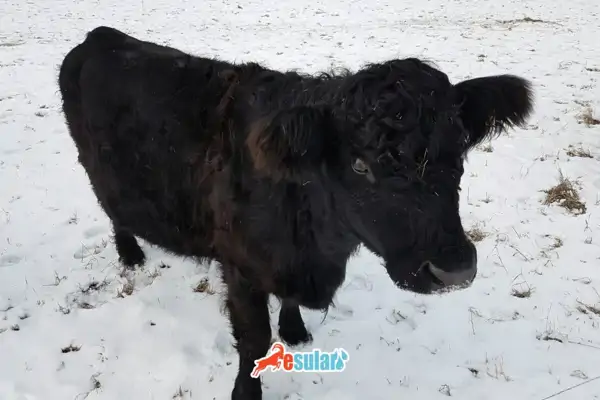
Mange disease in cows is an infection generally caused by parasites called mange mites. These parasites can be transmitted from one animal to another through contact or through infected equipment, clothing, or bedding. Especially in areas where cattle herds are dense and in inadequate hygiene conditions, the risk of the disease spreading may increase. Mange mites live by opening tunnels under the skin and lay eggs there. These tunnels cause itching and irritation in the skin. Infected animals can transmit the disease when they come into contact with other animals or share the same environment. Therefore, it is important to isolate infected animals and take hygiene measures to bring mange disease under control.

how-mange-disease-is-transmitted

What are the Symptoms of Mange Disease in Cows?

Symptoms of mange disease in cows usually manifest as changes in the skin. These symptoms may include:

  • Itching: Mange disease in cows causes severe itching. Animals may itch frequently, and this itching can lead to irritation and wounds on the skin.

  • Hair loss: In cows with mange disease, hair loss may be seen as a result of itching. Especially in itchy areas, hair may thin out or fall out completely.

  • Thickening and crusting of the skin: Itching and irritation on the skin can lead to thickening and crusting of the skin over time. This situation is especially seen in areas where itching is severe.

  • Wounds and infections: Continuous itching can cause wounds to form on the skin and increase the risk of infection. These wounds are usually inflamed and sensitive.

  • General restlessness: Cows with mange disease usually appear restless and uncomfortable. There may be changes in eating and drinking habits due to itching and other symptoms.

These symptoms may be seen together or alone and may vary depending on the severity of the disease. Observing the symptoms of mange disease is important for early diagnosis and treatment.

How is Mange Disease Treated in Cows?

Mange treatment in cows should be carried out in line with the recommendations of the veterinarian. Treatment generally involves the use of topical medications to combat the parasites that cause mange. The spraying/pesticide application process is carried out by applying the medications determined by the veterinarian to the skin of the animals. Additionally, isolating diseased animals from others and regular cleaning of the environment are also important. Regular communication with the veterinarian should be maintained during the treatment process and the veterinarian's recommendations should be followed. After treatment, the condition of the animals should be checked regularly and the treatment should be re-evaluated if necessary. Care should be taken for the cleanliness of the environment and the care of the animals to prevent recurrence of mange.

Yorumlar

Daha Fazla İçerik İster misiniz?

Akıllı tarım hakkında en güncel içerikleri takip edin.