Meteorological Stations and Meteorological Sensors
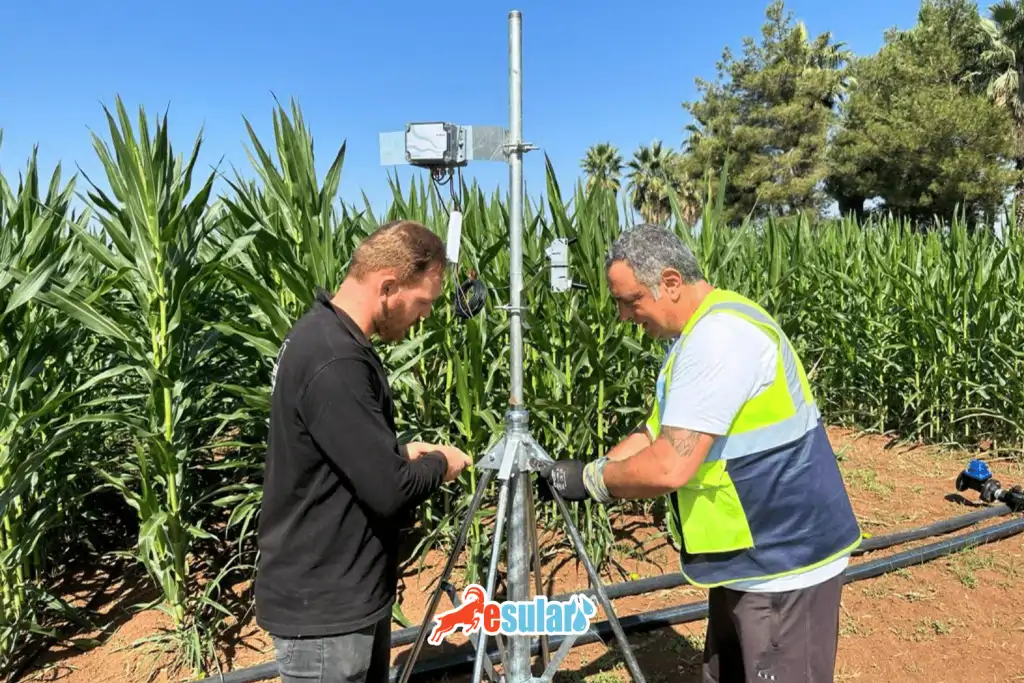
Meteorological stations are technological systems that continuously monitor and analyze variable conditions in the atmosphere. These stations are located in various regions worldwide and use a wide sensor network to utilize various meteorological data. They collect data such as temperature, humidity, wind speed and temperature, atmospheric pressures, and precipitation amounts, and weather forecasts can be made as a result of analyzing this data. Meteorological stations involve providing important data in areas such as agricultural management, use of water resources, and energy production systems, and increasing the sustainability of these sectors.
Additionally, natural disaster monitoring and early warning systems play a vital role; they can prevent loss of life and property by warning societies in time against potential hazards. With the advancement of technology, the provision and increased accessibility of data obtained from meteorological stations have helped in the comprehension and solution of important global-scale information such as climate change. For this reason, meteorological stations are indispensable for the sustainability of the modern world and for human life.
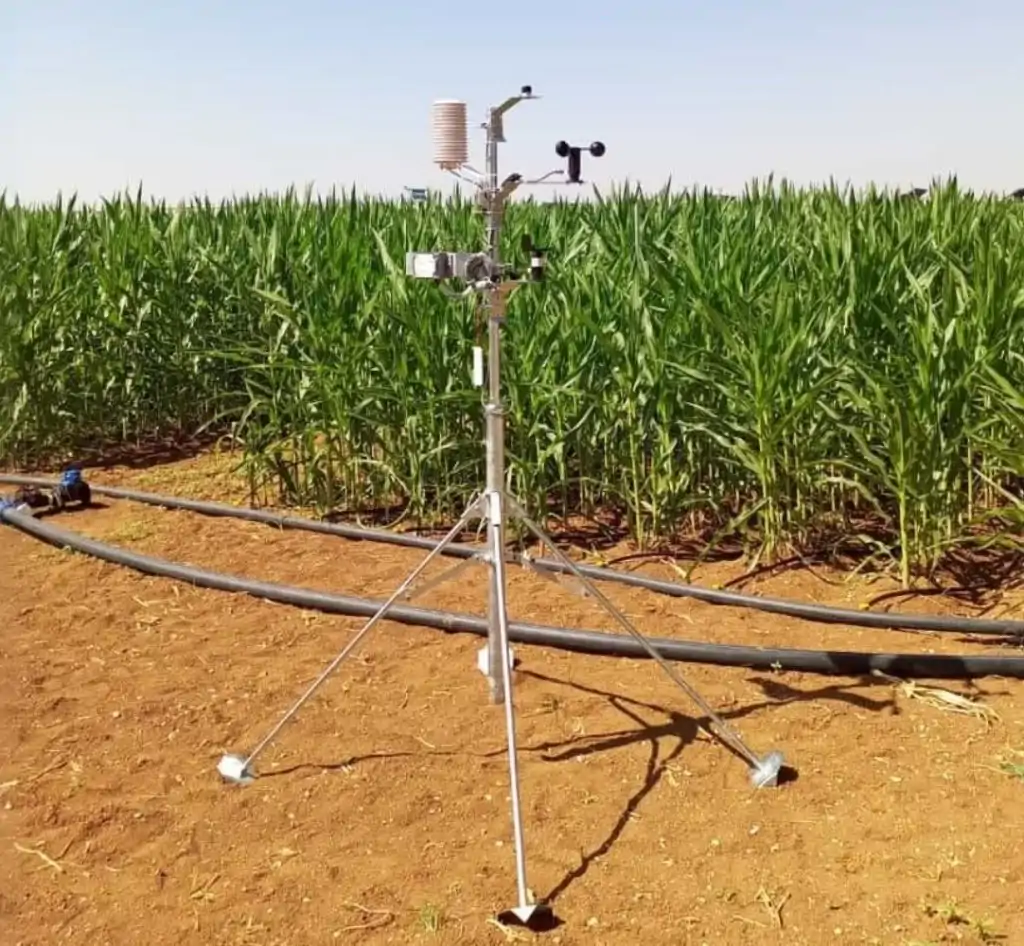
What are the Components of Meteorology-Climate Stations?
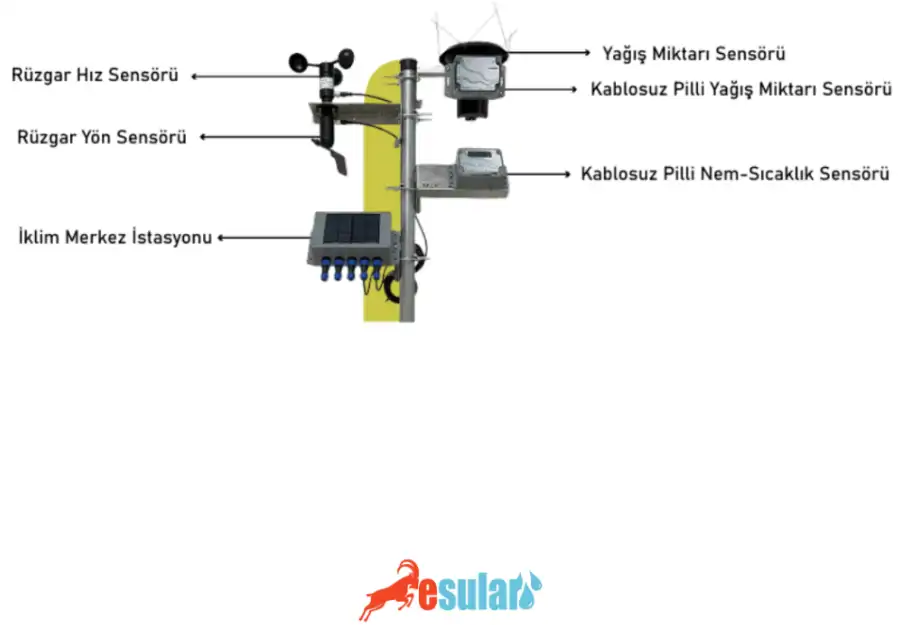
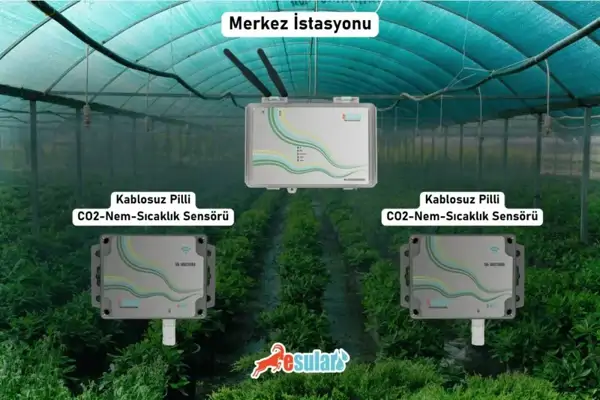
Central control and processing unit
Wind speed sensor
Wind direction sensor
Solar Radiation Sensor
Ambient temperature sensor
Relative humidity and temperature sensor
Precipitation sensor
What are the Atmospheric Changes Measured by Meteorological Stations?
Meteorology and climate stations usually measure the following atmospheric variables:
Temperature: Air temperature is generally measured in degrees Celsius. It is recorded daily, hourly, and sometimes at shorter intervals.
Humidity: The humidity rate of the air is generally measured as a percentage. This indicates the water vapor content of the air.
Pressure: Atmospheric pressure is generally measured in hectopascals (hPa) or millimeters of mercury (mmHg). It shows the weight of the air column in the atmosphere.
Wind Speed and Direction: Wind speed is generally measured in kilometers or miles per hour. Its direction is indicated in degrees.
Precipitation Amount: The amount of precipitation such as rain or snow is generally measured in millimeters.
Solar Radiation: The amount of solar rays reaching the earth's surface is generally measured in Watts/square meter.
Evapotranspiration (ET)
These measurements are collected through meteorological stations and are generally used for regional or national weather forecasts and climate analyses.
Factors to Consider When Choosing a Meteorological Station
Measured Parameters: Determine specific meteorological parameters related to your agricultural needs. Common parameters include temperature, humidity, wind speed and direction, precipitation, solar radiation, and barometric pressure.
Accuracy and Sensor Quality: Check the accuracy specifications of the meteorological station and the quality of the sensors used. Accurate data is crucial for making reliable decisions.
Data Collection and Connectivity: Some meteorological stations have built-in data loggers, while others require an external device. Additionally, check if the weather station offers connectivity options such as Wi-Fi or cellular network compatibility that allow you to access real-time data remotely.
Software and Data Analysis: User-friendly software that allows for easy visualization and interpretation of the collected data is beneficial for making informed decisions. Ensure it is compatible with your computer or mobile device's operating system.
Maintenance and Support: Check if the manufacturer provides technical support, firmware updates, and warranty coverage. The easy availability of spare parts is very important.
Budget: Consider your budget when choosing a meteorological station.
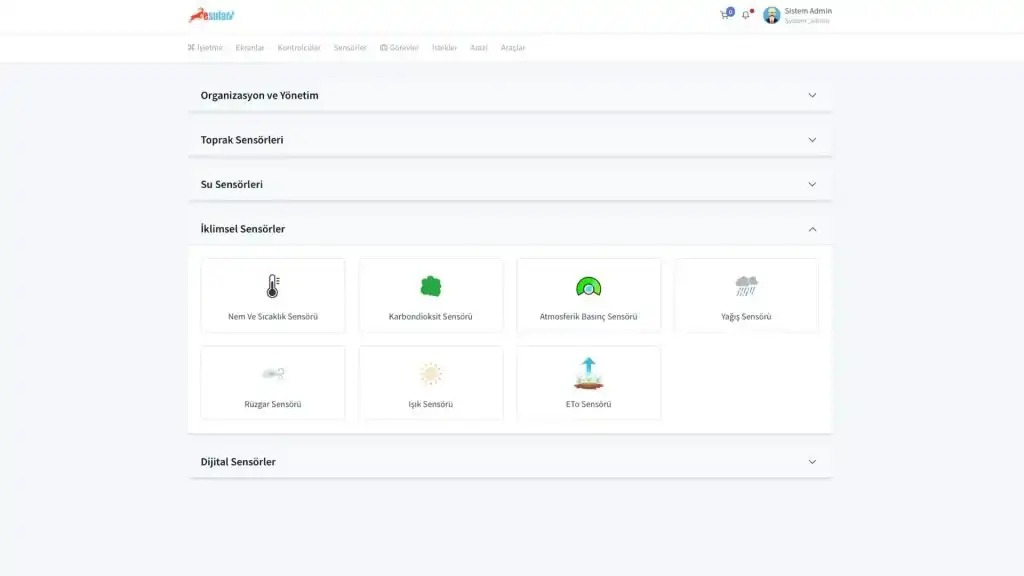
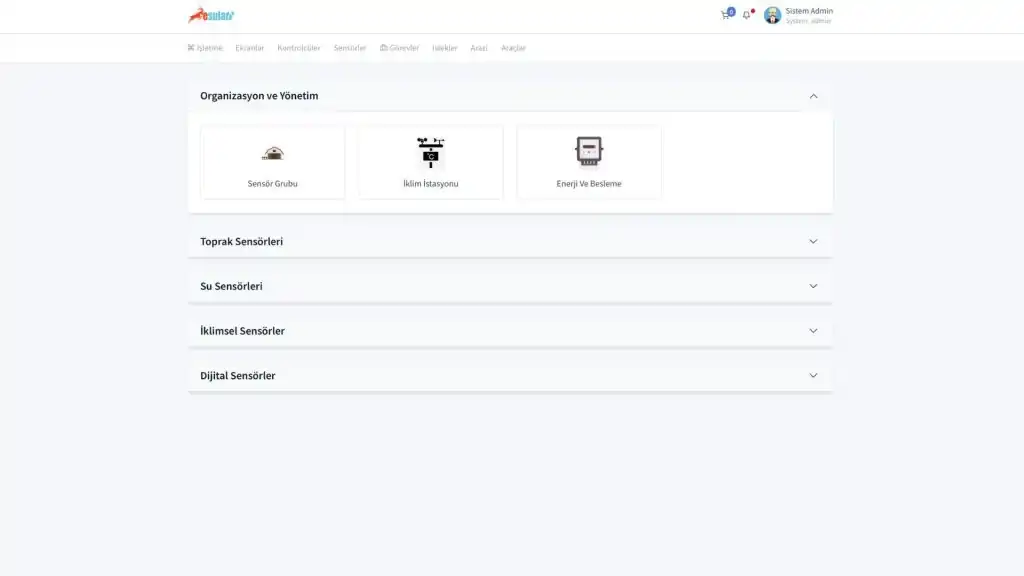
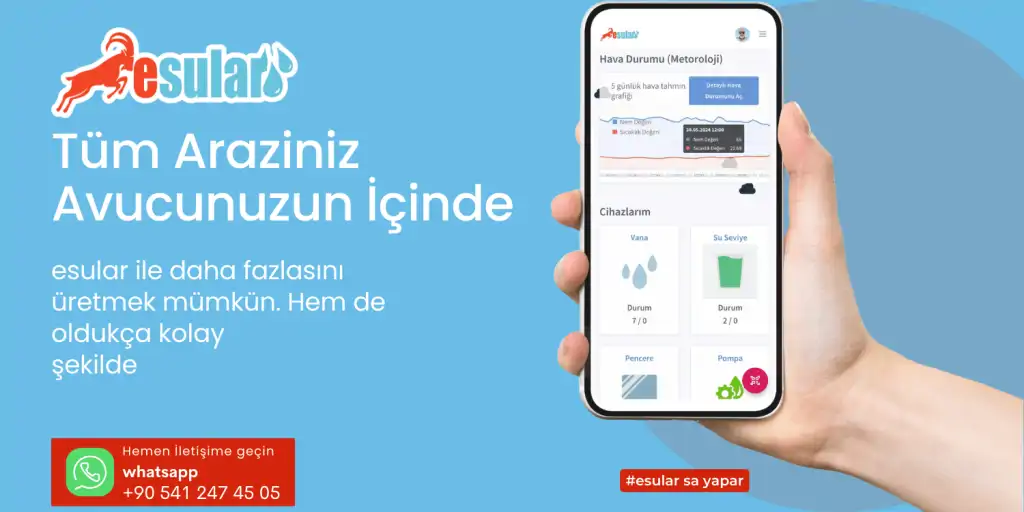
With esular, you can easily track all meteorological data through a single application. Thanks to our application, you can monitor your entire land instantly and keep all conditions under control. Through our advanced sensors, we offer the opportunity to manage your land remotely. Our user-friendly interfaces make your operations easier while making your agricultural processes more efficient and sustainable. Our application interfaces are located below.