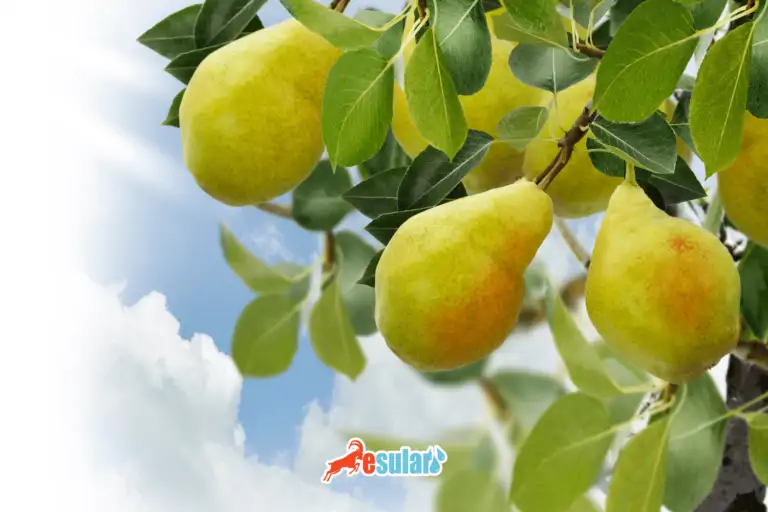
Turkey has an important place in pear cultivation and is one of the important pear suppliers worldwide. Different pear varieties are grown in various regions of the country, and especially varieties such as the Bursa pear are in demand in national and international markets. Pear cultivation in Turkey is of great importance in terms of contributing to agricultural diversity and creating an important source of income for the country's economy. This diversity and production capacity in the agricultural sector shows that Turkey is an important player worldwide in terms of pear cultivation.
In Which Climate Does Pear Grow?
Pear trees generally develop better in temperate climates. Ideally, cool winters and temperate summers are suitable for pear cultivation. This fruit is resistant to low temperatures in winter, but can be adversely affected by extreme weather conditions such as extreme heat or drought. It generally grows better in regions where adequate irrigation and good drainage can be provided and can be protected from winds. Since pear trees carry a risk of frost during the flowering period, regions without late frosts are more favorable for pear cultivation. For this reason, in temperate climates, regions that are not excessively hot in summer and do not have very cold winters are more suitable for pear cultivation.
Where Does Pear Grow?
Pear can generally grow in many different regions. In Turkey, especially the Marmara, Aegean, and Black Sea regions have suitable climate and soil conditions for pear cultivation. However, it is grown in a wide range worldwide, from regions with a Mediterranean climate to the warm climate of the Mediterranean from Central Europe.
Pear trees generally develop better in temperate climates. Well-drained soils and sunny regions are suitable environments for pear cultivation. In Turkey, regions such as Bursa, Izmir, and Balikesir are prominent areas for pear cultivation.
Planting Pear Saplings
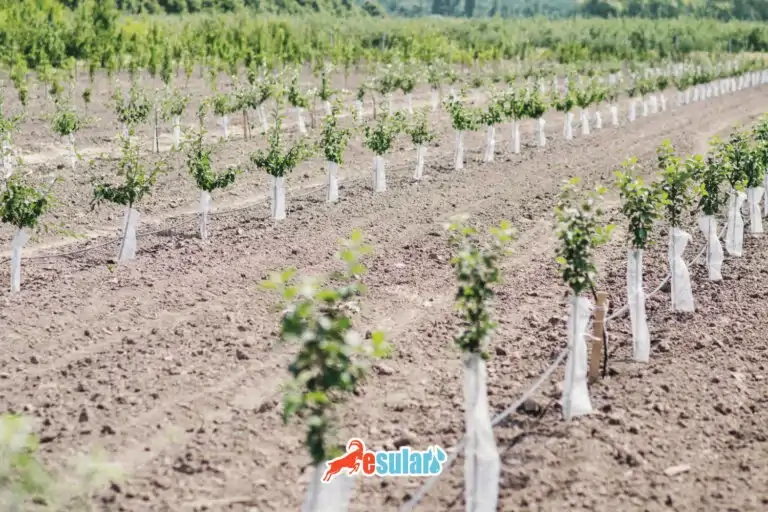
The planting of pear saplings is generally carried out during dormant periods, meaning the beginning of autumn or the early period of spring is preferred. Since soil temperatures are suitable during these periods, the roots of the sapling can settle comfortably and adapt to the new environment. Soil preparation before planting is quite important. The soil should be cleared of stones and weeds, loosened, and a suitable structure should be created so that the roots of the sapling can spread easily. The hole-opening process should be done in accordance with the root structure of the sapling, and the roots should be spread out before planting. After placing the sapling and carefully placing the soil around it, the irrigation process should be carried out with care. Pruning is important for directing the sapling's energy toward root development by cutting off excess branches or laths. Regular irrigation and maintenance after planting are necessary for the healthy growth and rooting of the sapling. This process is important for the sapling to adapt to its new environment and become stronger.
Irrigation in Pear Cultivation
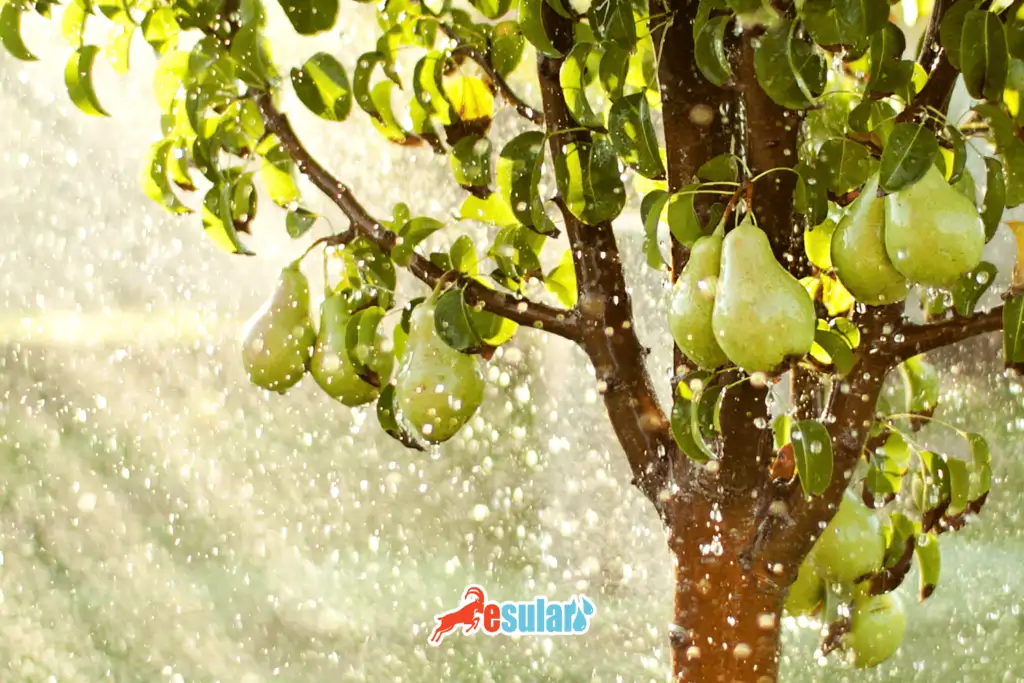
Pear trees are generally resistant to drought, but young saplings may need regular irrigation during fruit formation. Adult pear trees may be more resistant to short-term drought periods, but irrigation is important to increase productivity and fruit quality. When grown in well-drained soils, they can adapt better to drought conditions. Therefore, careful and appropriate irrigation practices in pear cultivation are important for the health and productivity of the trees.
Fertilization in Pear Cultivation
Fertilization in pear cultivation is important to ensure the healthy growth of the trees and to obtain a productive crop. Soil analysis should be performed to determine the nutrient content of the soil, and a fertilization program should be created accordingly. Organic fertilizers improve the structure of the soil and increase soil productivity by increasing microbial activity. Chemical fertilizers provide basic nutrients such as nitrogen, phosphorus, and potassium that the trees need. However, the amount of fertilization should be balanced; excessive fertilization can cause damage to the plants. Fertilization is usually done in the spring or autumn. Fertilization suitable for the needs of the pear is an important step for healthy and productive pear cultivation.
Diseases and Pests to Watch Out for in Pear
Some diseases and pests encountered in pear cultivation are as follows:
Early Dalyan Disease: Starts with spots on the leaves of the trees and spreads to the fruits in the following processes. This disease usually occurs in rainy weather and humid conditions.
Bacterial Spot Disease: Can reduce quality by creating spots on fruits. It usually occurs in humid weather and after injuries.
Pear Powdery Mildew Disease: Creates a grayish fungal layer on the leaves and fruits of the trees. This situation negatively affects the health of the trees and the quality of the fruit.
Pear Tree Canker: Can affect the general health of the trees by creating cracks in the bark.
Pests Damaging Pear Trees: Pests affecting pear trees include insects such as the melon fly, aphids, the pear enemy moth, and the pear red spider mite. These can cause damage by eating the leaves or prevent fruit formation.
In the fight against these diseases and pests, methods such as cultural measures, spraying, and the use of natural enemies can be used. It is important to minimize the effects of diseases and pests by daily observation and getting support from agricultural experts.
In Which Month is Pear Harvested?
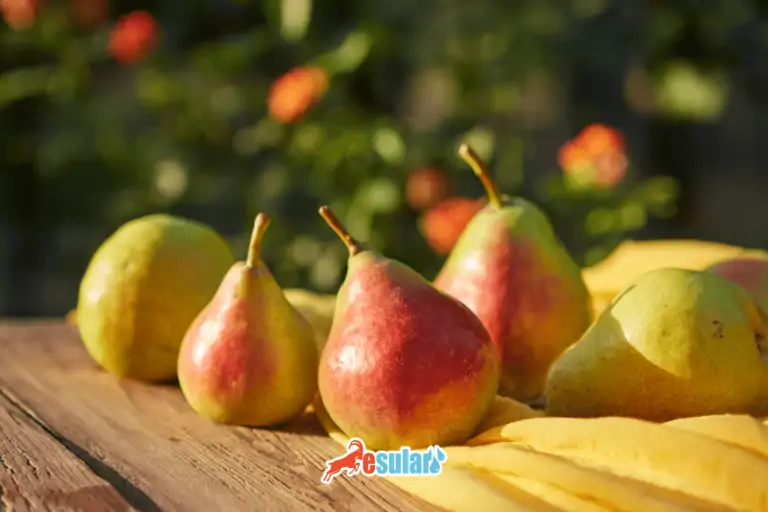
Pear harvest may vary depending on the ripening process, but generally starts from the middle of autumn and continues until October-November. Harvest time can be determined by the pears showing a slight softness when the skin is lightly pressed and their easy detachment.
It is recommended to collect the pears to be harvested by carefully picking them from the tree without cutting the stem. Then, storage should be done under suitable conditions for the harvested pears. Pears should be kept in a cool, dry, and airy environment. For long-term storage, warehouses with low temperatures and controlled humidity levels can be preferred.
How Many Years Does a Pear Tree Take to Bear Fruit?
Pear trees generally start to bear fruit between 3 to 5 years after being planted, depending on the planting method, variety, and the conditions in which they are grown. However, this period can sometimes be longer. Generally, pear trees bear fruit regularly after the ripening process is completed, and their yields increase over time. Healthy growth and maintenance of the trees during the ripening process are important.
How Much Fruit Does a Pear Tree Produce?
The annual fruit productivity of a pear tree can vary depending on many variables. The age of the tree, variety, maintenance, climate conditions, soil quality, and other factors affect fruit yield. While young pear trees can generally produce less fruit, trees that have completed the ripening process and receive appropriate care produce more fruit. The annual fruit yield of a pear tree can be 50 to 200 fruits. However, this is a general estimate and may vary. Factors such as proper care, irrigation, fertilization, and pruning can increase the fruit yield of the tree.