Red Palm Weevil
Red Palm Weevil is an insect species that causes significant damage, especially on date palms and other palm species. This pest can cause yield loss and plant deaths by negatively affecting the healthy development of plants. These insects, whose adults are generally red in color, consume the plant's nutrient resources by sucking the sap of plant tissues. They can use different damage mechanisms in the larval and adult stages. The damage caused by the Red Palm Weevil to these types of plants can pose a serious threat to plant health. Therefore, plant protection applications should be carried out by taking control measures against this pest.
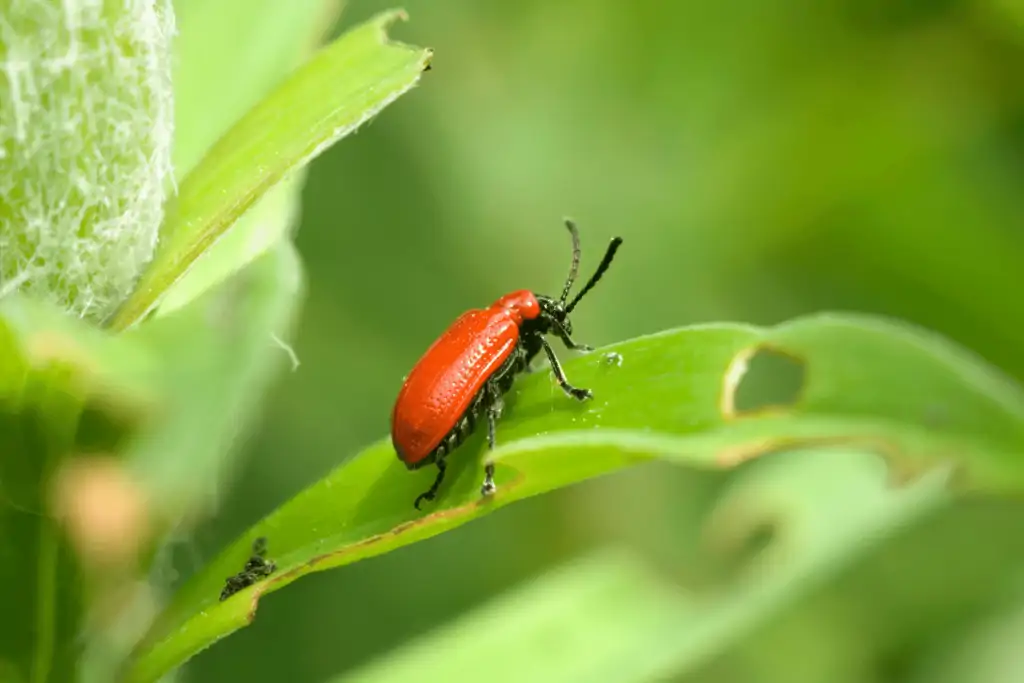
Red Palm Weevil Form of Damage
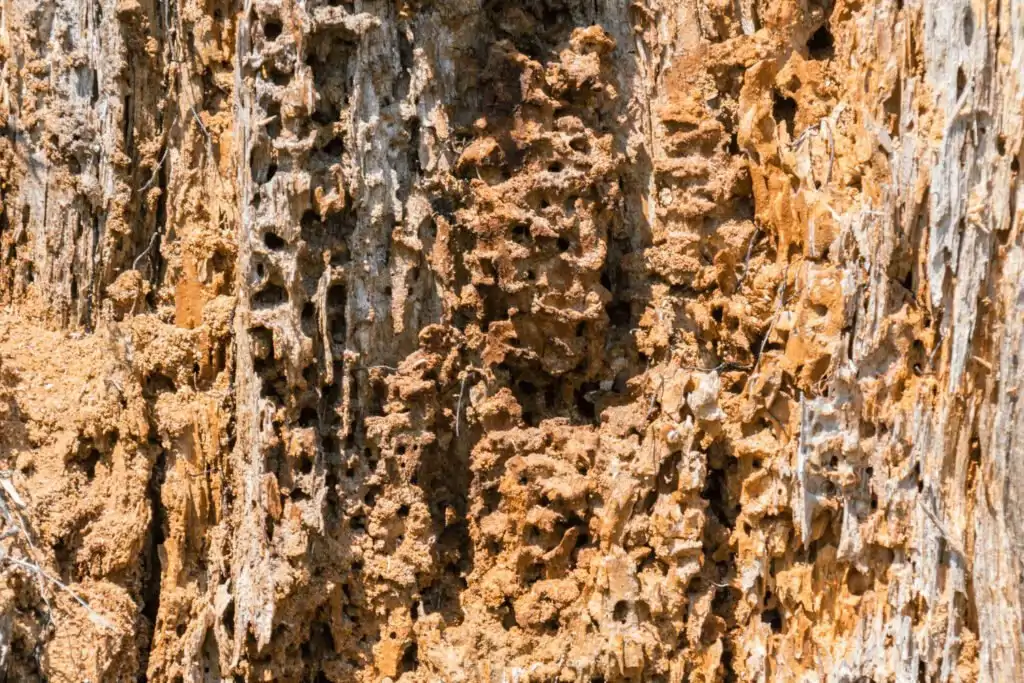
Red palm weevil is an insect species that causes fatal damage to plants, especially in the grub stage. Grubs emerging from eggs enter the trunk from different points and open tunnels in the soft fibrous tissue. As the number of these tunnels increases, the plant trunk weakens, rots, and can ultimately cause the death of the tree. It is difficult to detect the damage in the initial stage because the grubs spend most of their life cycle inside the trunk.
As the damage progresses, a yellowish-brown, sticky liquid discharge appears from small holes on the trunk. Additionally, deposits resulting from the feeding of the grubs can be observed on the leaves and branches. Yellowing, wilting, and drying of leaves appear over time. Rotting occurs in the damaged plant tissues and a bad odor may be emitted.
Even a single grub can cause the death of a tree, therefore this pest species can lead to economic losses in date palms. In the control of this pest, early detection and taking effective control measures are of great importance.
Plants Damaged by Red Palm Weevil
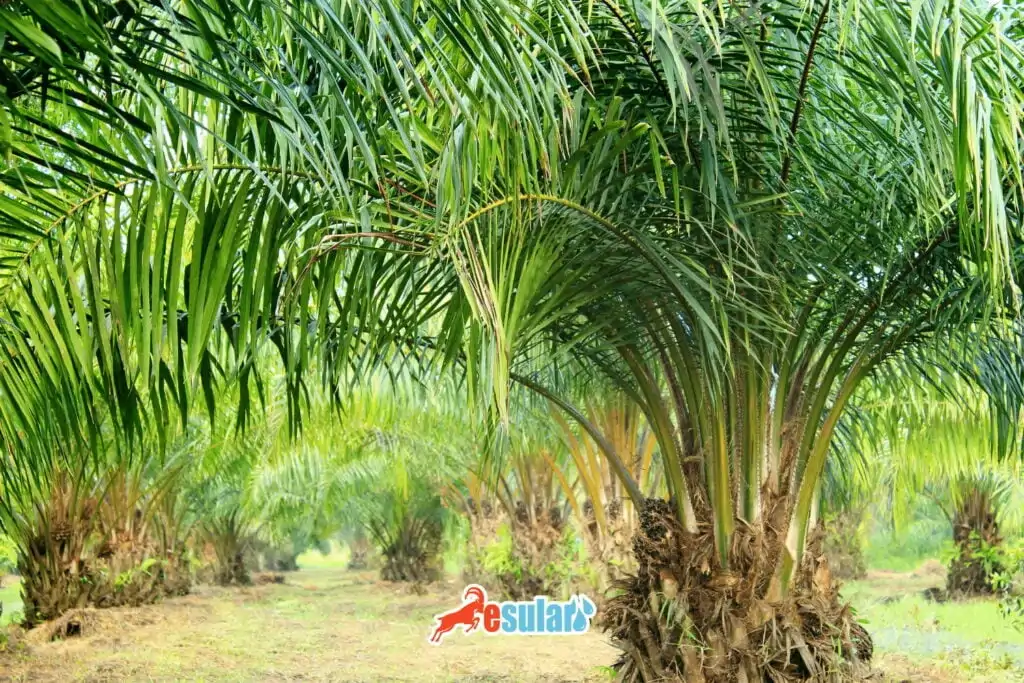
Red palm weevil is an insect species that feeds on and damages plants of the palm and date genus in particular. That is, this harmful insect meets its nutritional needs only from palm and date plants and can cause damage specific to these plants.
Transmission Routes of Red Palm Weevil
In terms of transmission routes, it is stated that the Red Palm Weevil is transmitted with plants subject to internal and external quarantine. This harmful insect spreads through the transport of the infested plant (sapling or tree). Therefore, the entry of infested plants into the country and their transport within the country must be controlled and prevented. These measures include quarantine measures taken to prevent the spread of the harmful insect.
How to Control Red Palm Weevil?
Red palm weevil is a fatal insect species that damages palm and date plants. The damage of this insect is especially caused by grubs. Grubs emerging from eggs enter the trunk and open tunnels in the soft fibrous tissue and feed. As the number of these tunnels increases, the plant's trunk weakens, rots, and causes the death of the tree. Determination of the damage is difficult initially, but in later stages, symptoms such as holes on the trunk, sticky liquid discharge, yellowing and drying of the leaves appear. Red palm weevil causes economic losses in date trees in many countries. Cultural measures in control include proper pruning, cleaning, irrigation, fertilization, and destruction of diseased trees. With these measures, it is aimed to reduce the damage and keep the plants healthy.
Cultural Measures
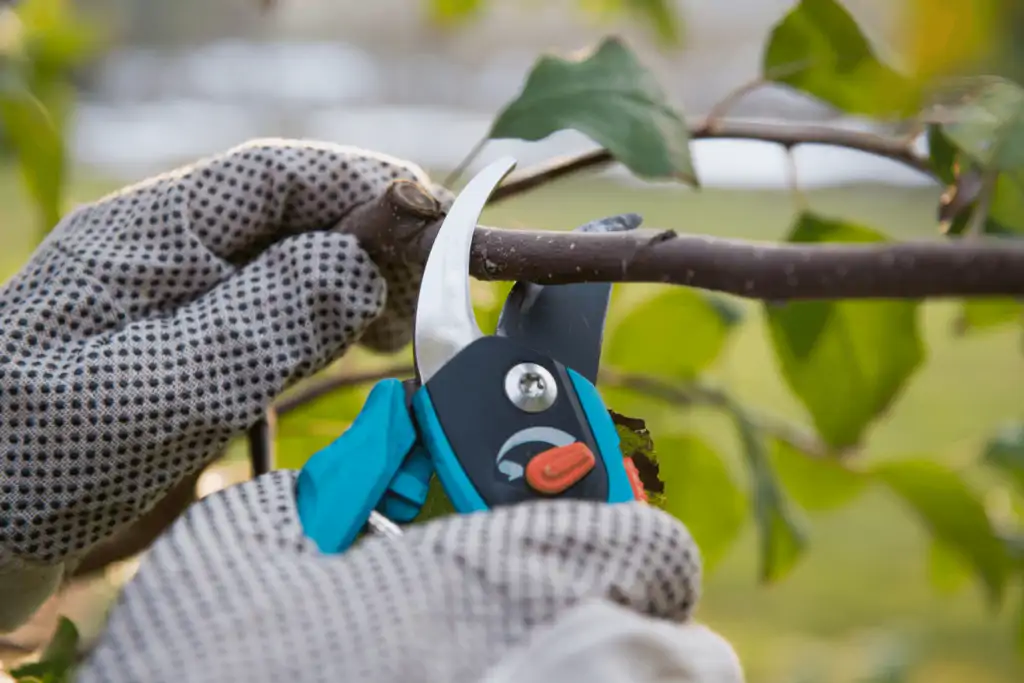
- Pruning should be done in winter months when the pest is not active.
- Regularly, the weakened and decaying parts of the tree should be cleaned, and cuts and injuries to be made anywhere on a healthy tree should be avoided. Infested branches and leaves should be destroyed by cutting and burning.
- A suitable irrigation and fertilization program should be applied for palm trees to prevent the trees from entering stress, and drip irrigation should be preferred if possible.
- To prevent infestations, trees whose meristem (the top point where new leaves of the plant emerge) tissue has died and cannot be saved should be destroyed under the supervision of the Agricultural Organization and buried at least 1.5-2 m deep, and winter months when the pest is not active should be preferred for destruction as much as possible.
Biotechnical Control
Biotechnical control is a method used in the fight against the red palm weevil. In this method, it is aimed to control the pest population by using pheromone traps that attract the insects. Traps are generally hung at a certain height from the ground and catch the insects by attracting them into the trap. For this method to be effective, it is important to renew the traps at certain intervals. The hanging height of the traps to be used in biotechnical control should be determined by considering the behavioral characteristics of the insects. It is recommended to contact the local Agricultural Organization for more information and application details.
Chemical Control
Chemical control includes three different methods used in the fight against the red palm weevil. These methods involve the use of plant protection products recommended in the Plant Protection Product Database. The three different chemical control methods are:
Spraying Application: In order to prevent spreading and reproduction in areas where adult insects are concentrated, plant protection product spraying application is performed.
Application to the Soil with Irrigation Water: One day before the application, the trees are irrigated and the soil is saturated with water. One day later, the application is carried out by giving the water prepared with the pesticide to the tree.
Pesticide Application via Trunk Injection: Holes are drilled opposite each other into the trunk with a drill from chest height to a depth of 10 cm. The trunk is drilled at a 45-degree angle. The plant protection product is administered pure into the hole with a syringe and the holes are closed with grafting wax.
These chemical control methods form an effective strategy for red palm weevil control. It is important to use the products recommended in the Plant Protection Product Database before making an application.