Tüm Yazılar
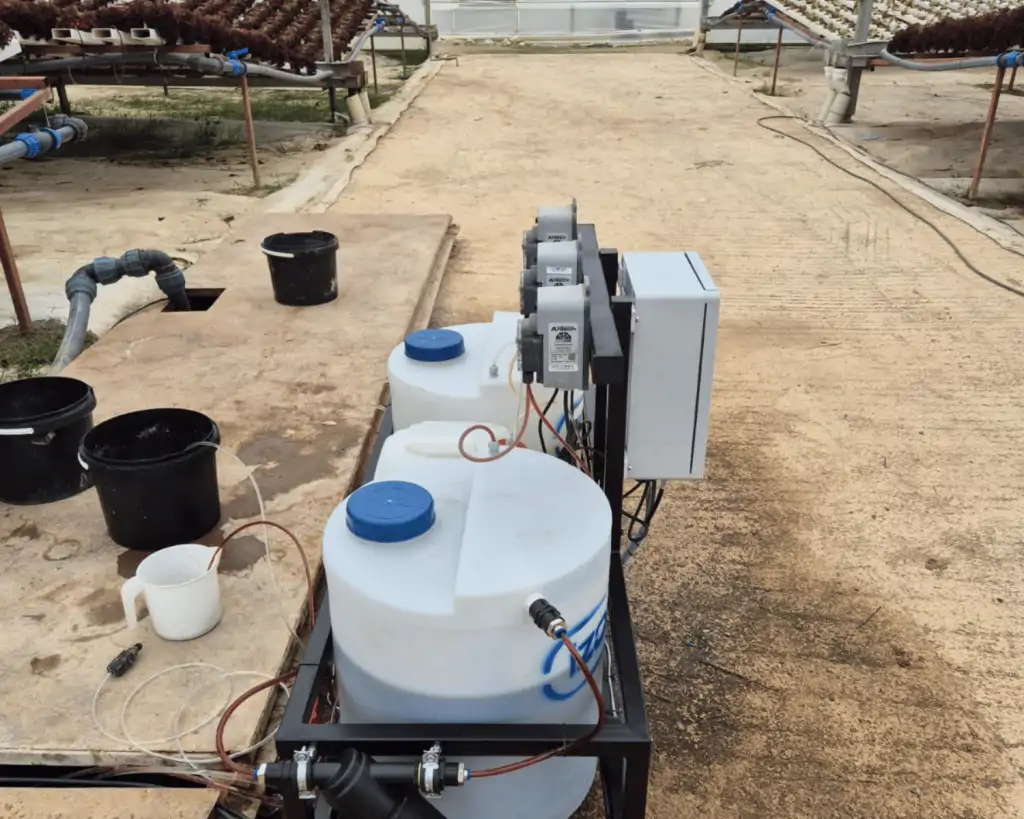
Smart Fertilization System
Smart fertilization systems are one of the innovative solutions developed to increase productivity in agriculture and ensure environmental sustainability. These systems, by providing the nutrients plants need at the right time and in the right amount, significantly increase both product quality and quantity. Unlike traditional fertilization methods, smart fertilization systems use data-based decisions to optimize plant growth. Equipped with soil sensors and other advanced technologies, these systems keep fertilizer use at the most appropriate level by continuously monitoring the nutrient requirements of plants. Thus, environmental damages caused by excessive fertilizer use are minimized and savings in fertilizer costs are achieved. Smart fertilization systems are an important step for a more sustainable and productive future in agriculture. To get more detailed information about the operation and usage details of this system; you can examine our https://esular.com/gubreleme-ve-sulama-otomasyonu article.
Advantages of Smart Fertilization Systems
Smart fertilization systems are an important innovation that increases efficiency and sustainability in modern agricultural practices. The main advantages provided by these systems are as follows:
- Productivity Increase: Smart fertilization systems optimize plant development by providing the nutrients plants need at the most accurate time and amount. This provides a significant increase in product yield.
- Cost Savings: Compared to traditional methods, smart fertilization systems minimize fertilizer use and prevent unnecessary expenses.
- Environmental Sustainability: By optimizing fertilizer use, excessive fertilization that harms soil and water resources is prevented. This helps protect the ecosystem by increasing environmental sustainability.
- Saving Time and Labor: Since smart fertilization systems operate automatically, they reduce the need for manual intervention.
- Precise Nutrient Management: Thanks to soil sensors and data analysis, the nutrient requirements of plants are continuously monitored and managed precisely.
- Improving Product Quality: Plants fed with optimum nutrients give healthier and higher quality products.
- Fast and Flexible Adaptation: Smart fertilization systems can be quickly adapted to different soil types and climate conditions. This flexibility allows it to be used effectively in various agricultural areas.
- Real-Time Monitoring and Control: These systems offer farmers the opportunity to monitor and control plant nutrient status in real-time. In this way, any problem can be detected and intervened immediately.
Improving Product Quality with Smart Fertilization Systems
Smart fertilization systems, as one of the most innovative solutions of modern agriculture, play a critical role in increasing product quality. These systems ensure healthier and higher quality products by meeting the nutrient needs of plants in the most accurate way. Smart fertilization systems continuously monitor the development stages and nutrient needs of plants. In this way, plants receive the nutrients they need at the right time and in the right amount. Optimal nutritional support ensures healthy growth and development of plants. These systems precisely control the nutrient levels around the plant roots using soil sensors and data analysis. Balanced and sufficient nutrient intake prevents plants from being under stress. Especially situations such as water stress and nutrient deficiency can negatively affect product quality. Smart fertilization systems minimize stress factors by ensuring that plants are constantly in optimal conditions. Healthy plants give higher quality and more durable products. This increases market value and ensures consumer satisfaction.
What Should Be Considered When Choosing a Smart Fertilization System?
Choosing a smart fertilization system can significantly affect the efficiency and sustainability of your agricultural practices. Here are the important points to consider from a technical perspective:
- Soil and Plant Needs: It is important to choose a system that can be programmed to meet the nutrient requirements of plants at different development stages.
- Fertilizer Tank and Mixing System: The capacity of the fertilizer tank and the mixing system are critical for the efficiency of the system. Having a fertilizer tank of sufficient capacity and an automatic mixing system ensures that the fertilizer is distributed homogeneously. In addition, the fertilizer tank being made of corrosion-resistant materials ensures long-lasting use.
- Automation and Control Unit: Automation and control units, which are the heart of smart fertilization systems, determine the sensitivity and effectiveness of the system. The control unit must be able to apply appropriate fertilization programs by analyzing data from different sensors. In addition, units offering remote access and control features allow the user to easily manage the system.
- Sensor Technology: Precise sensors that measure soil moisture, temperature, pH and nutrient levels are the basic components of the smart fertilization system.
- Injection System: The quality and accuracy of the injection system used to mix the fertilizer into the irrigation water affect the efficiency of the system. Precision injection pumps ensure that the fertilizer is distributed in the correct ratio.
- Fertilizer Distribution System: Fertilizer distribution pipes and drippers ensure that the fertilizer is delivered to the plant roots evenly and effectively.
- Water and Fertilizer Savings: When choosing a system, check whether it has features that optimize water and fertilizer use. This is beneficial both economically and environmentally.
- Maintenance and Service Services: The ease of maintenance of the system and the service services offered by the provider company are also important factors in the selection process. Systems that are easy to clean and maintenance-free ensure problem-free use in the long run. In addition, companies that offer fast and effective service should be preferred. watch?v
Esular Smart Fertilization System
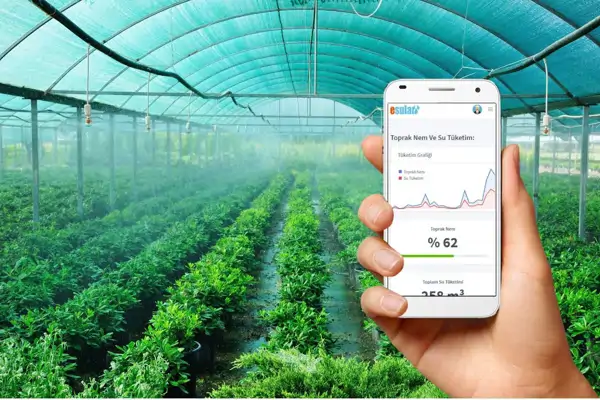
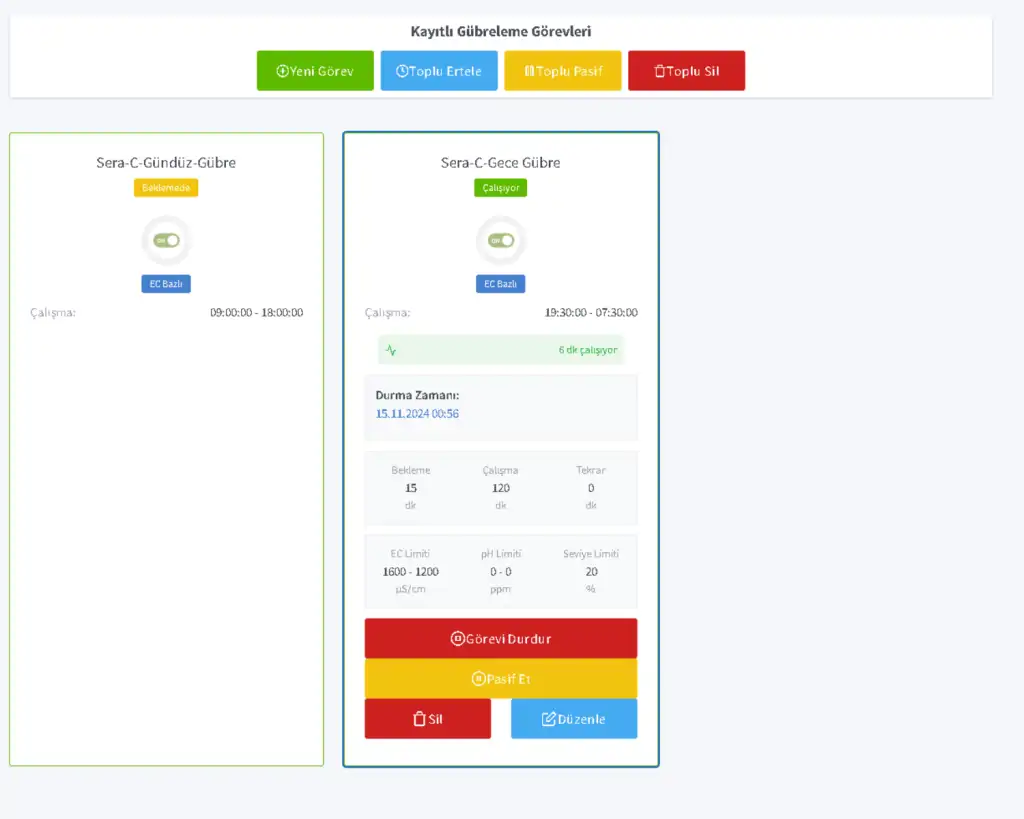
As Esular, the Smart Fertilization System we offer is designed in accordance with the needs of modern agriculture and aims to provide the highest efficiency for the healthy development of your plants. Our system allows you to precisely manage fertilization and pH control with 3 fertilizer tanks and 1 acid tank. This structure facilitates the use of different types of fertilizers and acid solutions when necessary. Thanks to the advanced control unit, our system is equipped with remote access and intervention possibilities. This feature allows farmers and agricultural professionals to manage their systems without being in the field. Through mobile application or web-based interfaces, you can set fertilization programs, follow instantaneous data, and intervene when necessary.
EC and pH values allow you to understand how plants take nutrients and soil conditions. With automatic adjustments, you obtain maximum yield by providing the nutrients your plants need at exactly the right time and in the right amount. Based on EC and pH measurement data, our system, which can automatically adjust fertilizer and acid amounts, provides the nutrients your plants need at the most optimal level. In this way, you both optimize the growth process of your plants and minimize fertilizer and water waste.
Our smart fertilization system not only increases the health and productivity of your plants but also offers environmental and economic benefits. Precise fertilization prevents unnecessary fertilizer use and reduces environmental pollution. As Esular, we are proud to offer innovative and sustainable solutions suitable for the requirements of modern agriculture. You can contact us for more information and professional support. 🌱💧
📞 : +90 850 399 6888
📧 :[email protected]
Kategoriler