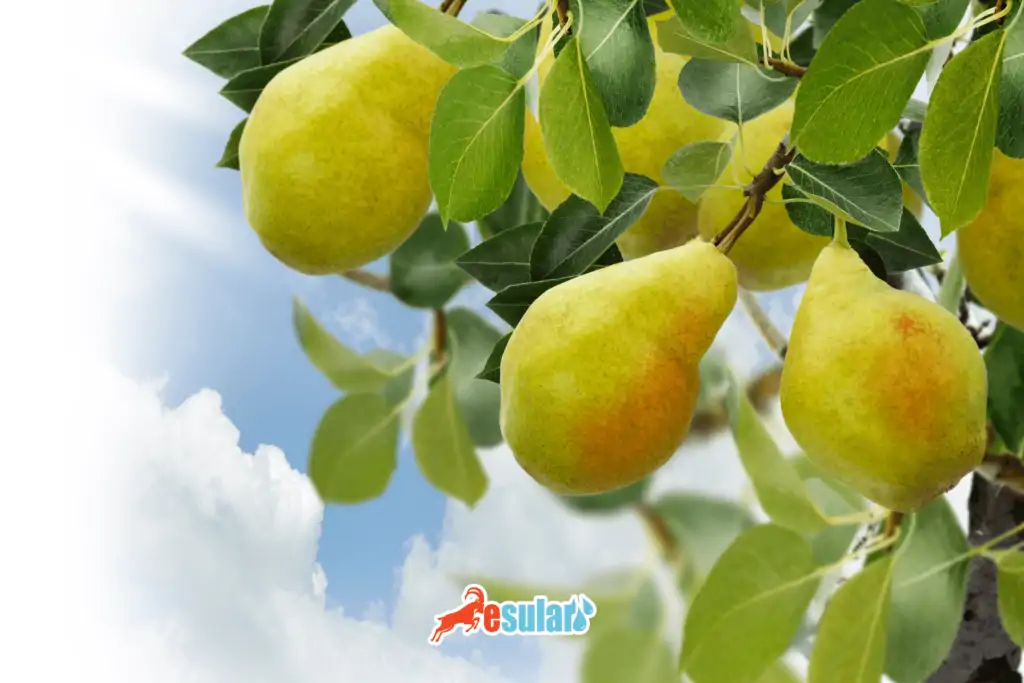
Pear is grown almost everywhere in the world today where apple culture is practiced. However, since pear is less resistant to cold compared to cultivated apples, its growing area in the northern hemisphere reaches only up to the 55th parallel. Thus, it remains below the upper growing limit of the apple in the northern hemisphere. On the other hand, since it is more tolerant to heat and drought than the apple, it can also grow in hot regions where the apple does not grow.
Pear cultivation is carried out in all regions and provinces of Turkey. However, some regions and provinces have gained more importance than others. Turkey is among the top ten in world pear production.
Program the Water Needed by the Plant in Pear Cultivation with Smart Irrigation Systems
One of the most important needs of pear trees is irrigation. Fruit growth of trees left without water slows down, and product yield decreases. If pear cultivation in a closed orchard is in question, irrigation should be done from May to September for autumn or winter varieties. Winter varieties need to be irrigated less than autumn varieties. Otherwise, storage life decreases.
Irrigation also varies according to the rootstocks used. Irrigation in an orchard where quince rootstock is used should be done more than in orchards where other rootstocks are used. In irrigation according to the rootstock; after quince, pear, wild pear, and hawthorn should be irrigated in decreasing rates. If shoot activity continues in fruit trees, irrigation should also continue.
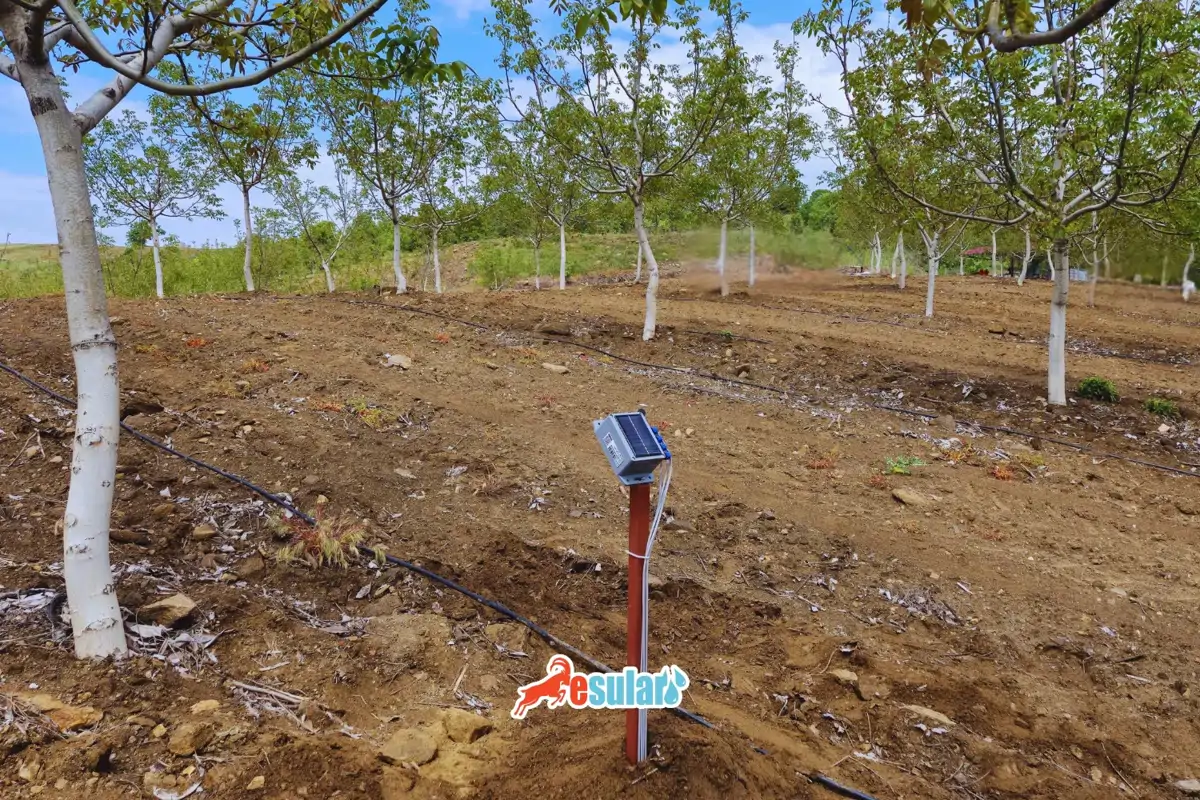
Soil moisture sensors can be used to understand the water requirement of the orchard. Not irrigating the pear tree causes an increase in stone cells inside the fruit. Irrigation should be done every twenty days for plants using quince rootstock, and every thirty days for those using pear seedlings. In hot and dry seasons, the number of irrigations is increased.
Advantages of Smart Irrigation Systems in Pear Trees
When determining the irrigation needs of the pear tree, the most important thing to be determined is the age of the tree. If your tree is newly planted or less than a few years old, its roots are probably not very well established beyond the root ball it formed in its first container. This means that the tree needs to be irrigated close to the trunk and frequently, twice or even three times a week if there is no rainfall. Also, since not irrigating the pear tree will cause an increase in stone cells inside the fruit, giving small amounts of water in the correct proportion is very important for the pear.
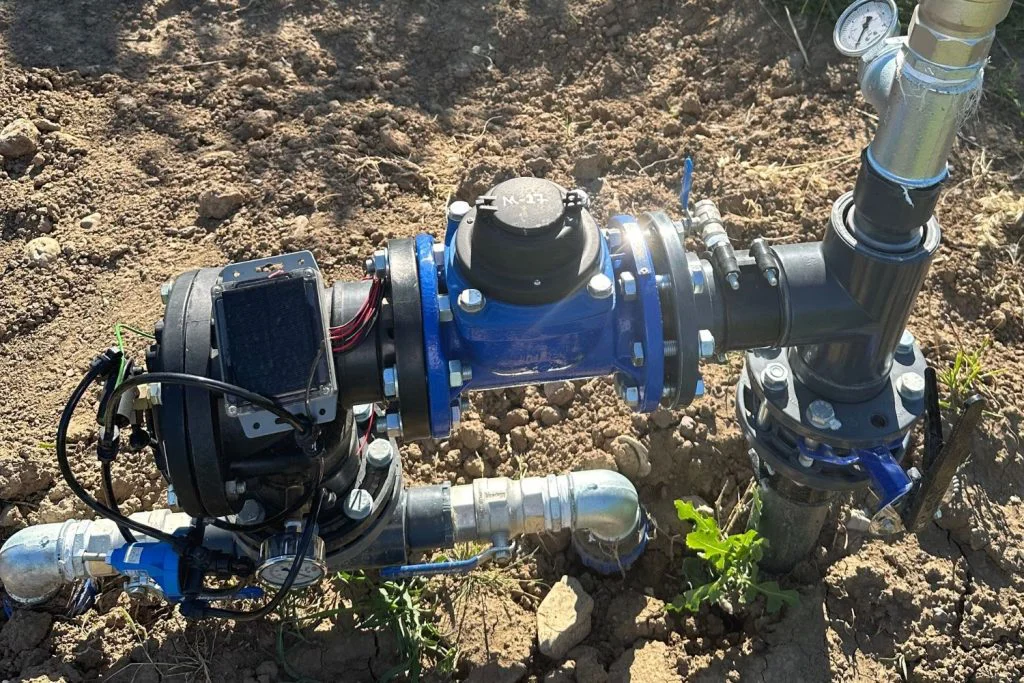
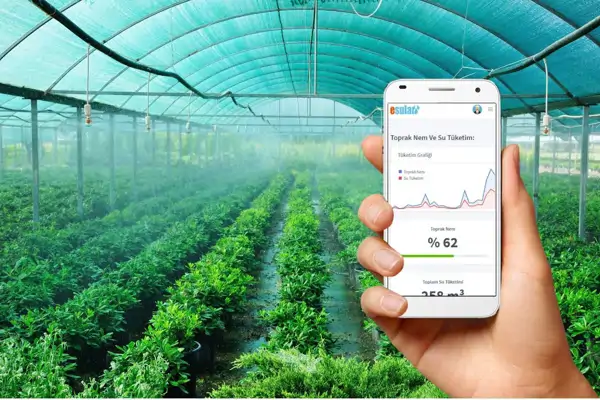
Thanks to smart irrigation, you can keep the amount of moisture at the optimum level by adding many smart control sensors such as remote-controllable, smart, ultrasonic, and graduated moisture sensors, and you can provide predictive irrigation solutions according to meteorological data and precipitation status information.
Drip Irrigation in Pear Trees
In this method, irrigation water is applied at frequent intervals and in small amounts without stressing the tree. With the use of the drip irrigation method, water use efficiency has increased significantly compared to other methods. When the irrigation water requirement, water consumption, vegetative growth, yield, and fruit quality of the pear tree are evaluated together, it has been determined that the drip irrigation method is superior to other methods. In the drip irrigation method; yield and fruit quality increase, water and fertilizer efficiency rises, and plant damage caused by water stress decreases.