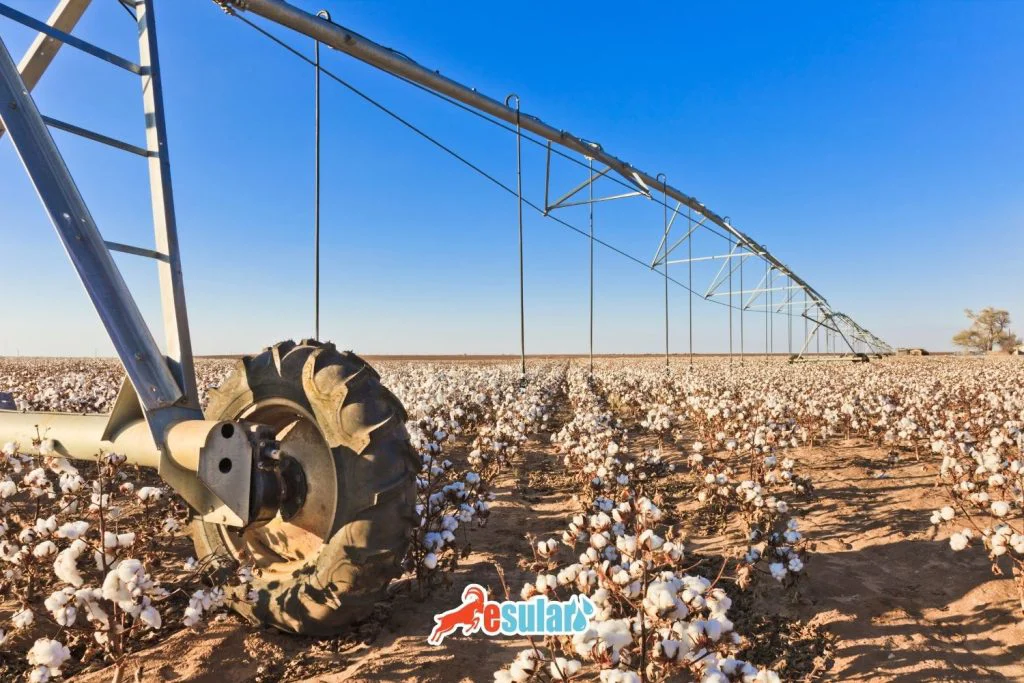
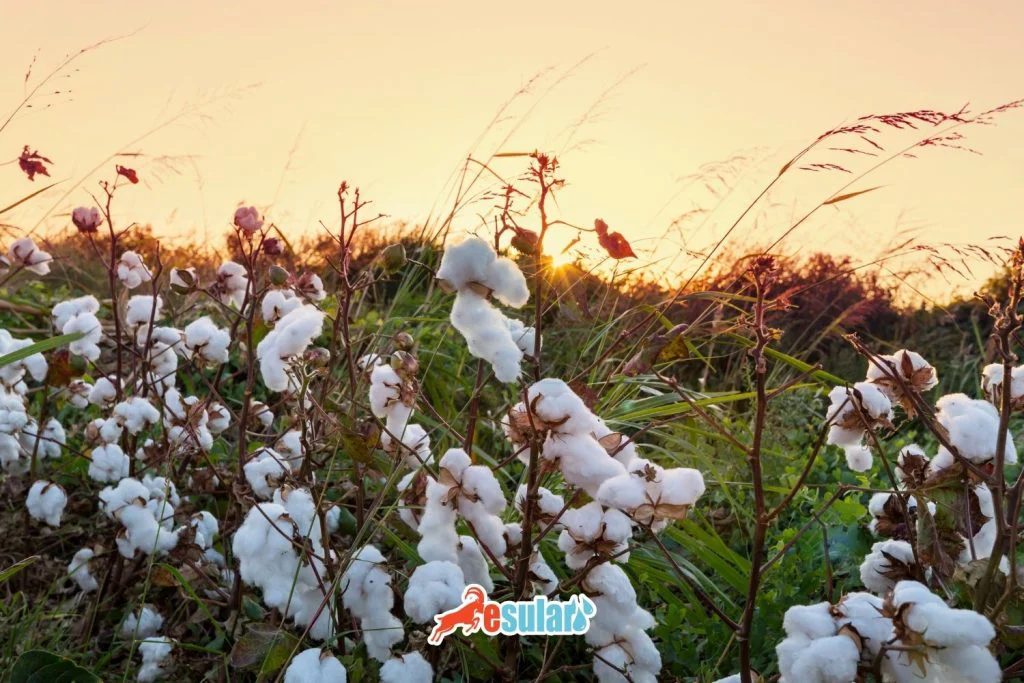
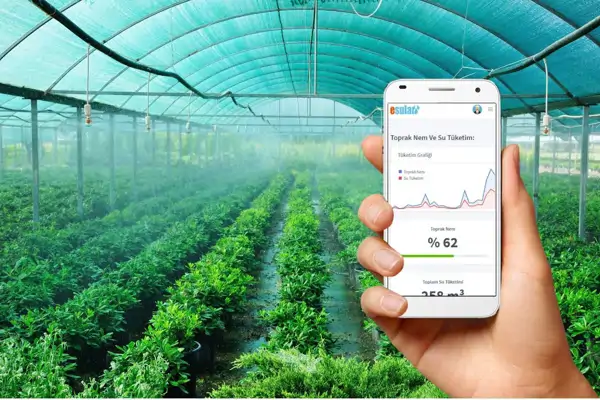
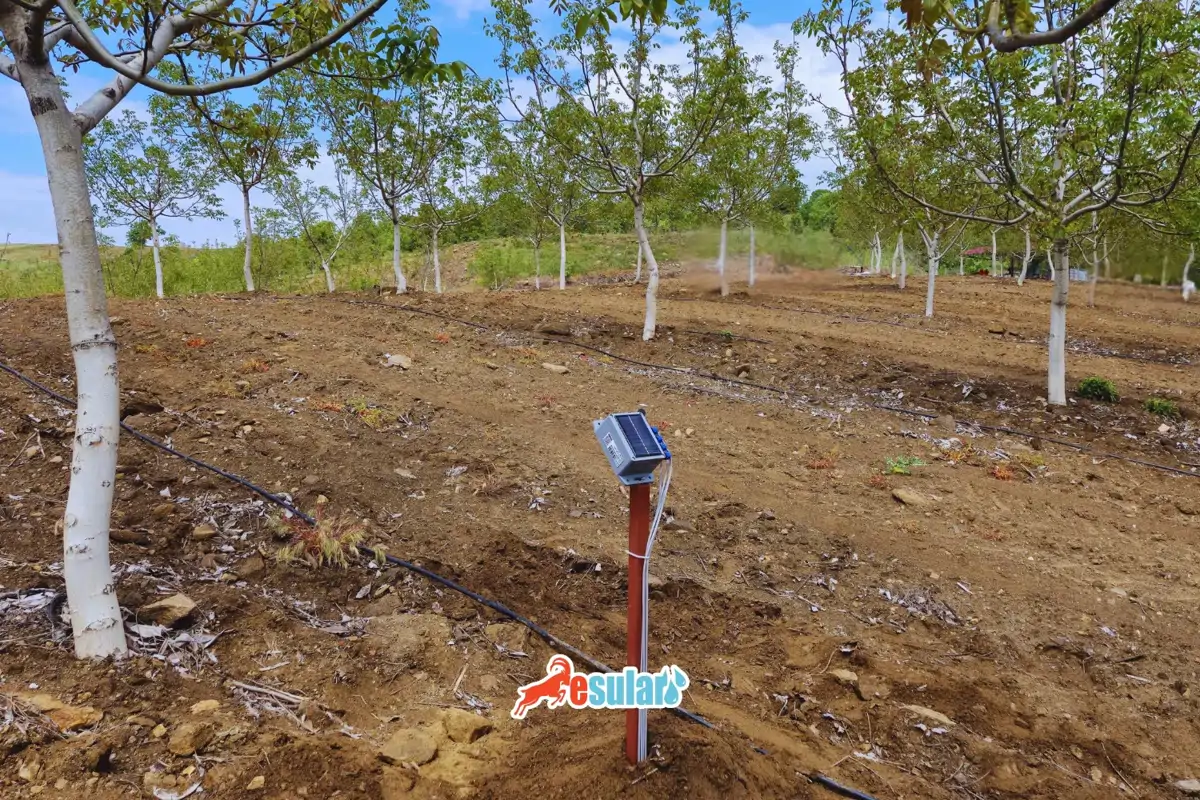
Turkey ranks among the top in cotton production, yield, and consumption. Among modern irrigation methods, the most suitable irrigation system for the cotton plant is smart irrigation systems. It is applied with appreciation by our producers in cotton farming. Its ease of application, quality, and high yield are effective in our producers' preference.
Water Requirement and Irrigation Schedule According to Growth Periods
According to different climate and soil conditions, the water requirement of the cotton plant is around 400-600 mm. Since the annual rainfall in cotton production regions is insufficient, the amount of water required for good development is provided through irrigation. The irrigation timing and the amount of water to be given are determined according to the symptoms of the plant's water demand and the moisture status in the soil. Under normal climatic conditions, it needs to be irrigated 4-5 times at 15-20 day intervals.
Advantages of Drip Irrigation in Cotton
Among the existing irrigation systems in cotton, the most suitable system is the drip irrigation system. Irrigating with a drip irrigation system;
The highest yield is obtained with the minimum irrigation.
Prevents salinization in the soil.
Provides an increase in yield, boll weight, and yarn quality in cotton, which is a fibrous plant.
Minimizes soil erosion.
Reduces labor.
Ensures equal distribution of water, fertilizer, and pesticides to the field.
Prevents the spread of diseases and pests.
Why are Smart Irrigation Systems Necessary in Cotton?
The aim of irrigation is to deliver the water the plant needs during its vegetation period to the plant root zone with the most suitable system in terms of time and quantity. While giving less water than the plant needs leads to yield losses, more water than necessary leads to land degradation and plant diseases.
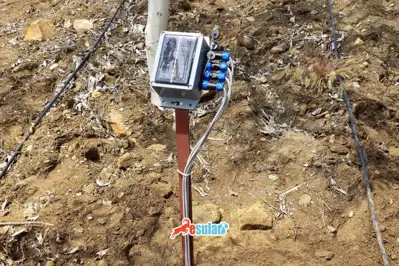
Therefore, by adding many smart control sensors such as remote-controllable, smart, ultrasonic, and graduated moisture sensors, you can keep the moisture amount at an optimum level and provide predictive irrigation solutions according to meteorological data and rainfall status information.
You can monitor irrigation according to need, leakage, loss and theft, bursts, and excessive irrigation of the plant's irrigation period with an automatic remote-controlled water meter.