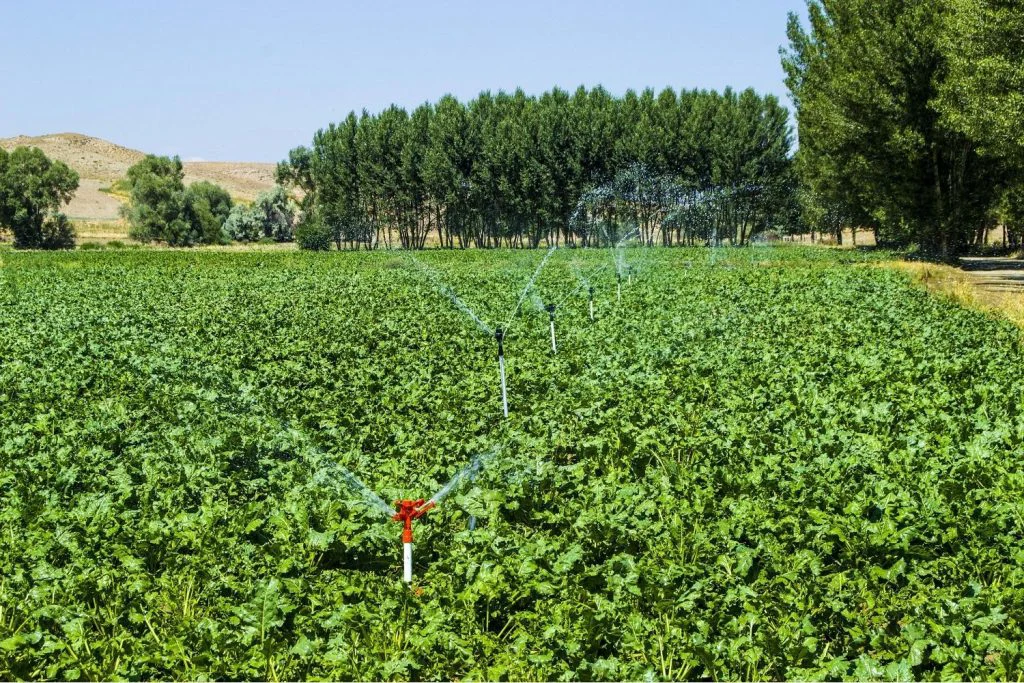
In Turkey, sugar is produced entirely from sugar beet, and with an annual production of approximately 19 million tons, it follows countries such as Russia, France, the USA, and Germany. It creates a significant economic added value in the regions where it is grown. Sugar beet, which is one of the fundamental products in Turkey's agricultural production, is also of particular importance in terms of its contribution to the agricultural industry and its contribution to animal husbandry with its by-products. It has a strategic value as a basic food item.
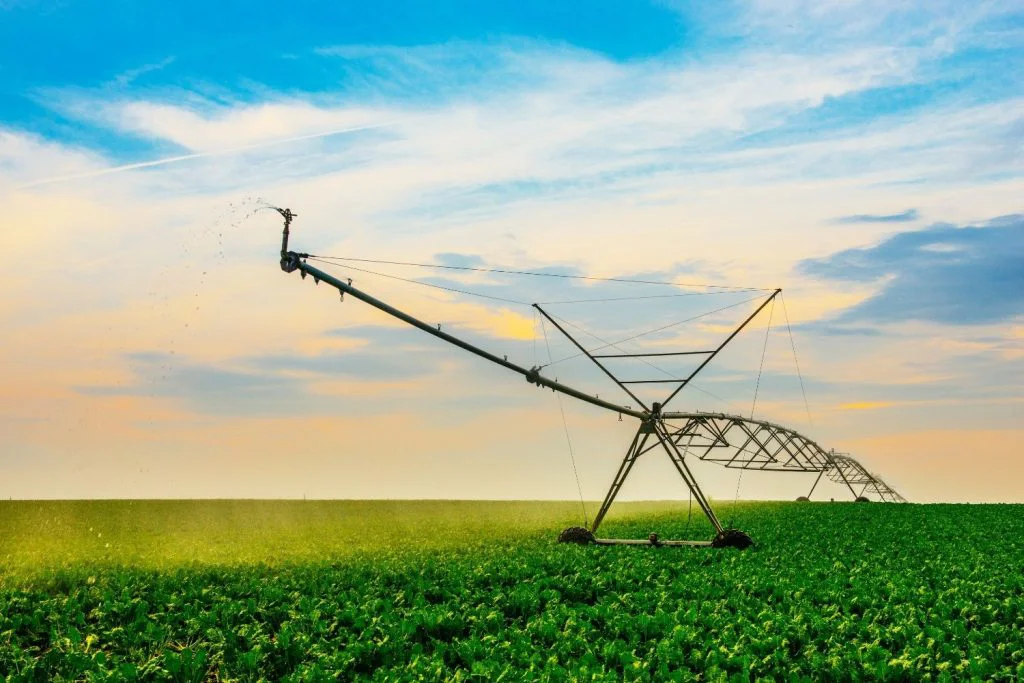
For high yield and quality, correct irrigation is the most important element in sugar beet cultivation. For this, it is very important to use smart irrigation systems.
Sugar Beet Water Requirement and Irrigation Schedule with Smart Irrigation Systems
The water requirement of sugar beet is a plant with a high water need, totaling 700 to 800 mm. It is a plant that needs water at certain intervals and amounts from planting to the harvest period. Approximately 100–130 mm of water is given with each irrigation.
Sugar Beet Critical Irrigation Periods
Irrigations Before Planting and Germination: Irrigations before planting and germination are generally performed to wet the lower and upper soil layers to ensure germination and emergence.
Early Season Irrigations: After top fertilization with nitrogen along with thinning, or after only thinning or fertilization, one irrigation is usually required.
Mid-Season Irrigations: Should be done from the end of June until mid-September.
Late Season Irrigations: The time for the last irrigation to be done before harvest. It depends on the moisture status desired to be in the soil during harvest. If moist soil is desired, it is preferred to perform one irrigation 10-15 days before harvest. The number of irrigations should be 4-6 times by observing the development in the plant.
Advantages of Smart Irrigation Systems in Sugar Beet
Water should definitely not be given to the beet without a need for water. Excessive irrigation, besides wasting resources, causes root rot and some diseases, while insufficient irrigation causes an increase in plant development and yield losses. For this, the irrigation time should be determined using soil moisture sensors.
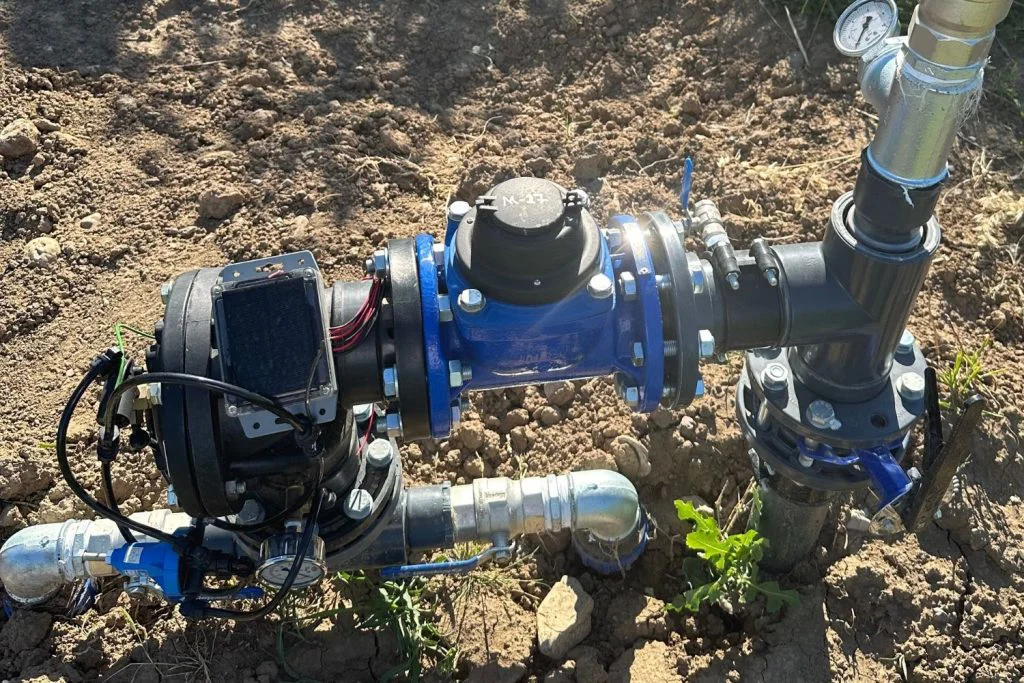
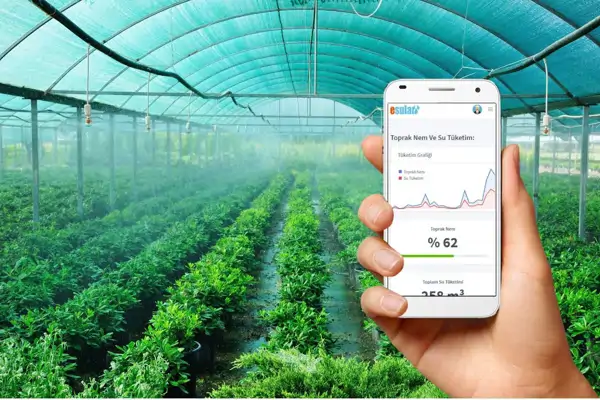
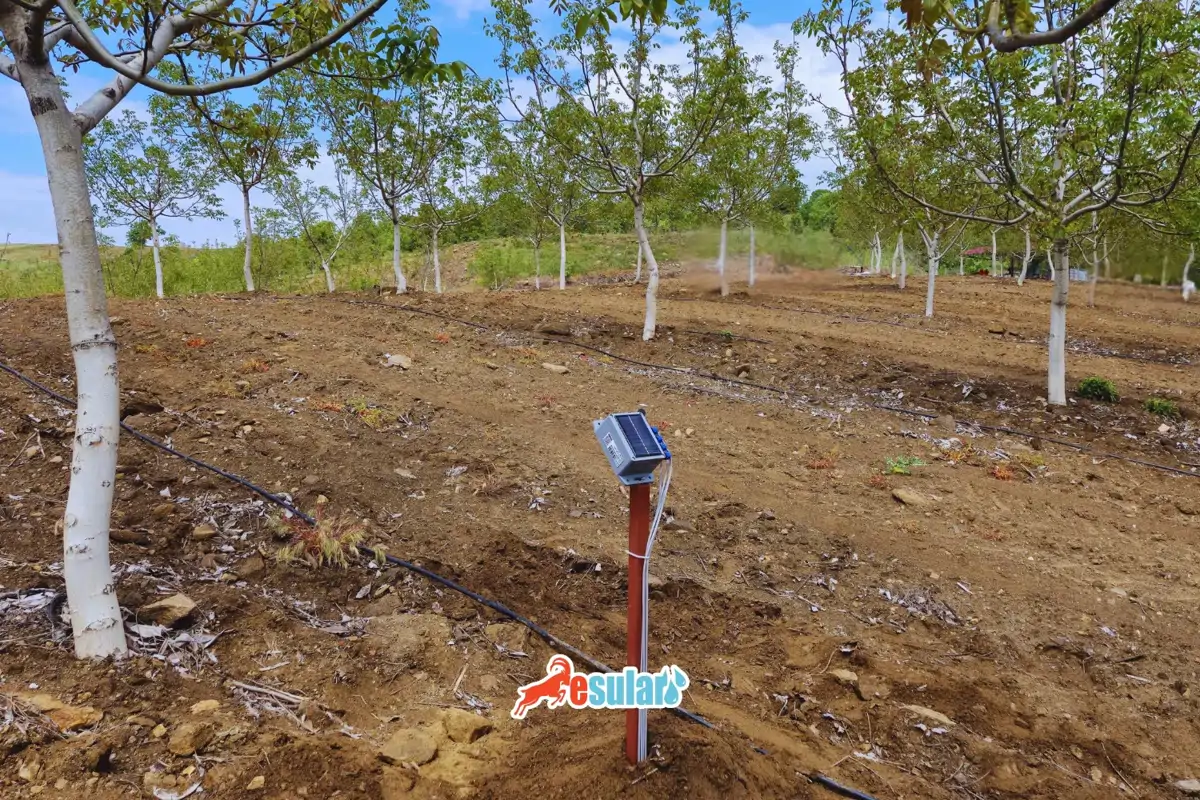
Thanks to our smart irrigation system, beet irrigation systems are controlled remotely; you can keep the moisture amount at the optimum level by adding many smart control sensors such as smart, ultrasonic, and graduated moisture sensors, and you can provide predictive irrigation solutions according to meteorological data and precipitation status information.
Since our smart irrigation system works fully automatically, we increase performance by performing irrigation operations systematically with professional materials without the need for any personnel assistance.
Drip Irrigation in Sugar Beet
One of the most suitable irrigation methods for sugar beet is the drip irrigation method. The most important issue in sugar beet irrigation is to avoid excessive or insufficient irrigation. Excessive irrigation, besides wasting resources, causes root rot and some diseases, while insufficient irrigation causes an increase in plant development and yield losses.
In order to prevent diseases such as root rot during irrigation of the beet, the field should never be allowed to pond. The best method for this is the drip irrigation method.
Since plant nutrients can be given together with the irrigation water, the maximum benefit from fertilizer can be achieved in sugar beet.
Since the use of drip irrigation system in sugar beet allows for uniform irrigation in the plant compared to other irrigation systems, an increase in sugar quality is observed.