Solenoid Valve Winter Maintenance and Durability in Automation Systems
Industrial automation and indispensable components of modern agricultural process control systems, solenoid valves regulate the flow of air, water, steam, oil, and chemicals with high precision. Especially these valves used in automatic irrigation systems, despite their durable structures, can fail prematurely due to incorrect maintenance practices or neglect. With the approach of winter months, freezing temperatures pose the greatest threat to these sensitive mechanical and electrical devices. As Esular, we know how high the downtime and repair costs caused by valve failures can be. In this comprehensive guide, whether direct-acting or pilot-operated, we will examine in depth 7 critical strategies you can apply to extend the service life of your solenoid valve units and protect them from the destructive effects of winter.
Winter maintenance is not just covering the valve with a cloth; it is a holistic process that includes protecting the hydraulic, electrical, and mechanical integrity of the system. When water freezes, its volume expands by approximately 9%. If water remains inside a solenoid body, this expansion can crack cast iron or plastic composite bodies, tear diaphragms, and deform internal seals. Therefore, a professional maintenance plan should be put into effect as soon as the irrigation season ends.
1. Keep Solenoid Valves Clean and Free of Debris
One of the most common causes of solenoid valve failures is blockages caused by contaminants in the fluid line. Foreign particles can clog the valve seat, piston, or internal orifices, leading to slow operation, leakage, or complete valve failure. When the system becomes stagnant during the winter months, these deposits can dry and harden inside the valve, making it impossible to commission the system in the spring season.
Things to Do to Prevent Blockages:
- Regularly clean inlet filters, especially in dirty water or outdoor applications.
- Flush the piping system before installing new solenoid valves to remove sediment and debris.
- Install strainers or filters on upstream fluid lines to stop solid contaminants from entering the valve body.
- Inspect and clean internal parts weekly in water or dirty fluid applications, and monthly in compressed air systems.
2. Regularly Inspect Coils and Electrical Connections
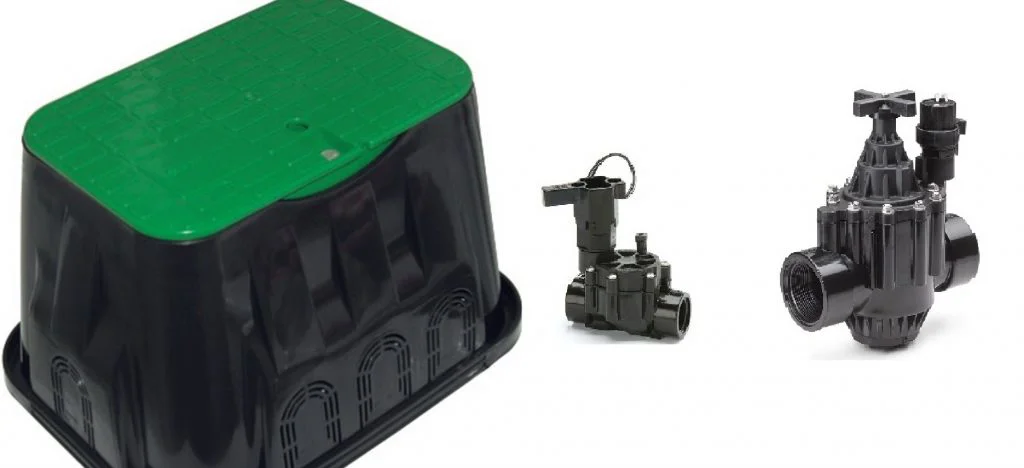
The electric coil (coil) is the heart of a solenoid valve. Over time, heat, moisture, or power surges can cause the coil to deteriorate or fail. Routine inspection helps prevent unexpected failures that disrupt system performance. The cold and humid air of winter especially increases the risk of corrosion.
Electrical Maintenance Steps:
- Check for visible damage such as cracks, burns, or discoloration on the coil body.
- Verify that voltage and amperage levels match the coil's rated requirements.
- Ensure cable connections are tight and corrosion-free.
- Protect outdoor or wet environment installations with IP-rated enclosures to prevent water ingress.
- Watch for signs of coil failure such as buzzing sounds, excessive heat, or slow activation.
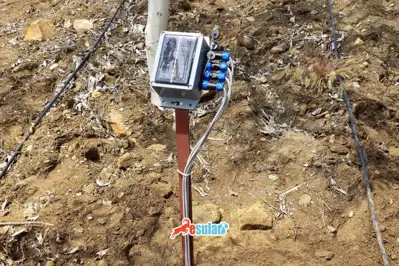
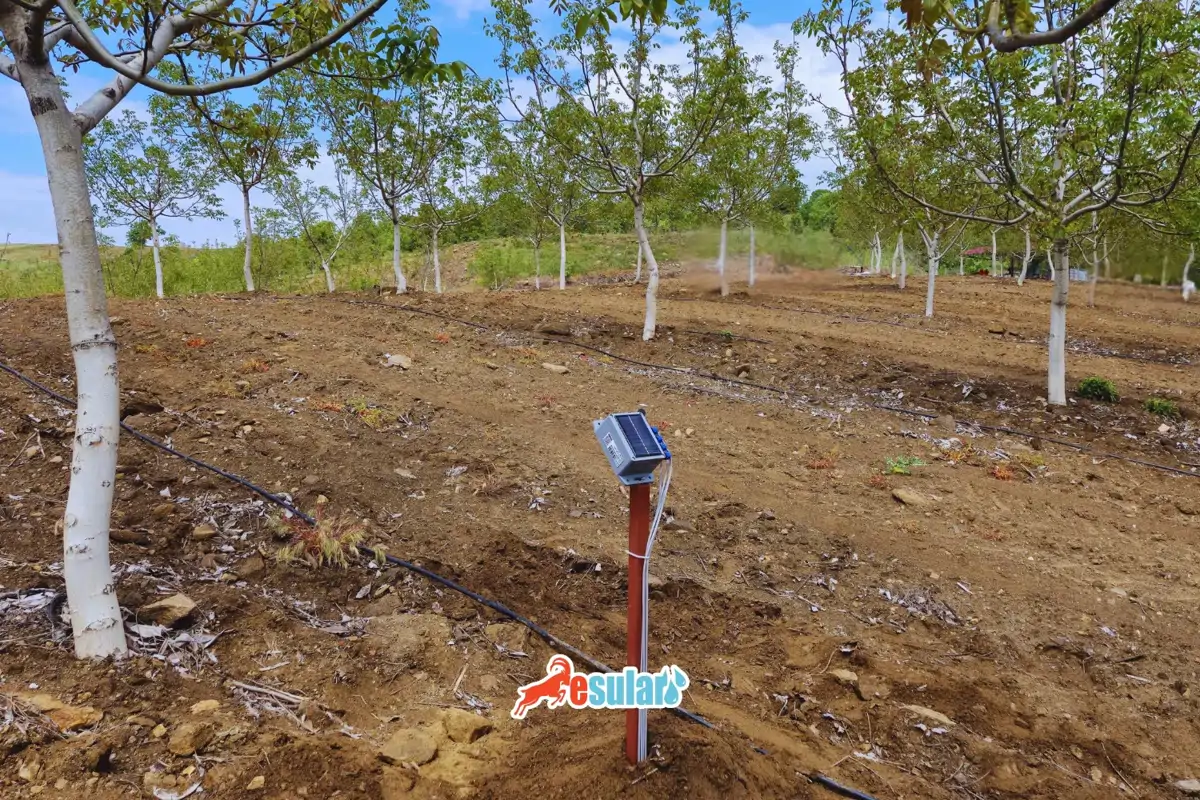
Use only manufacturer-approved replacement coils to maintain performance and safety standards. Solutions such as the wireless smart valve control unit offered by Esular allow you to monitor coil health remotely.
3. Monitor Fluid Compatibility
An important but often overlooked cause of solenoid valve failure is the incompatibility between valve materials and the fluid medium. Using the wrong valve body or seal material can lead to chemical corrosion, swelling, or brittleness. The change in viscosity of some fluids in winter can make these incompatibility effects even more pronounced.
Material Compatibility Table:
Re-evaluate compatibility if the fluid medium changes. For example, acidic chemicals can rapidly degrade brass valves. You can make the right material selection by following the agricultural chemical standards of organizations such as FAO.
4. Control Pressure Surges and System Stress
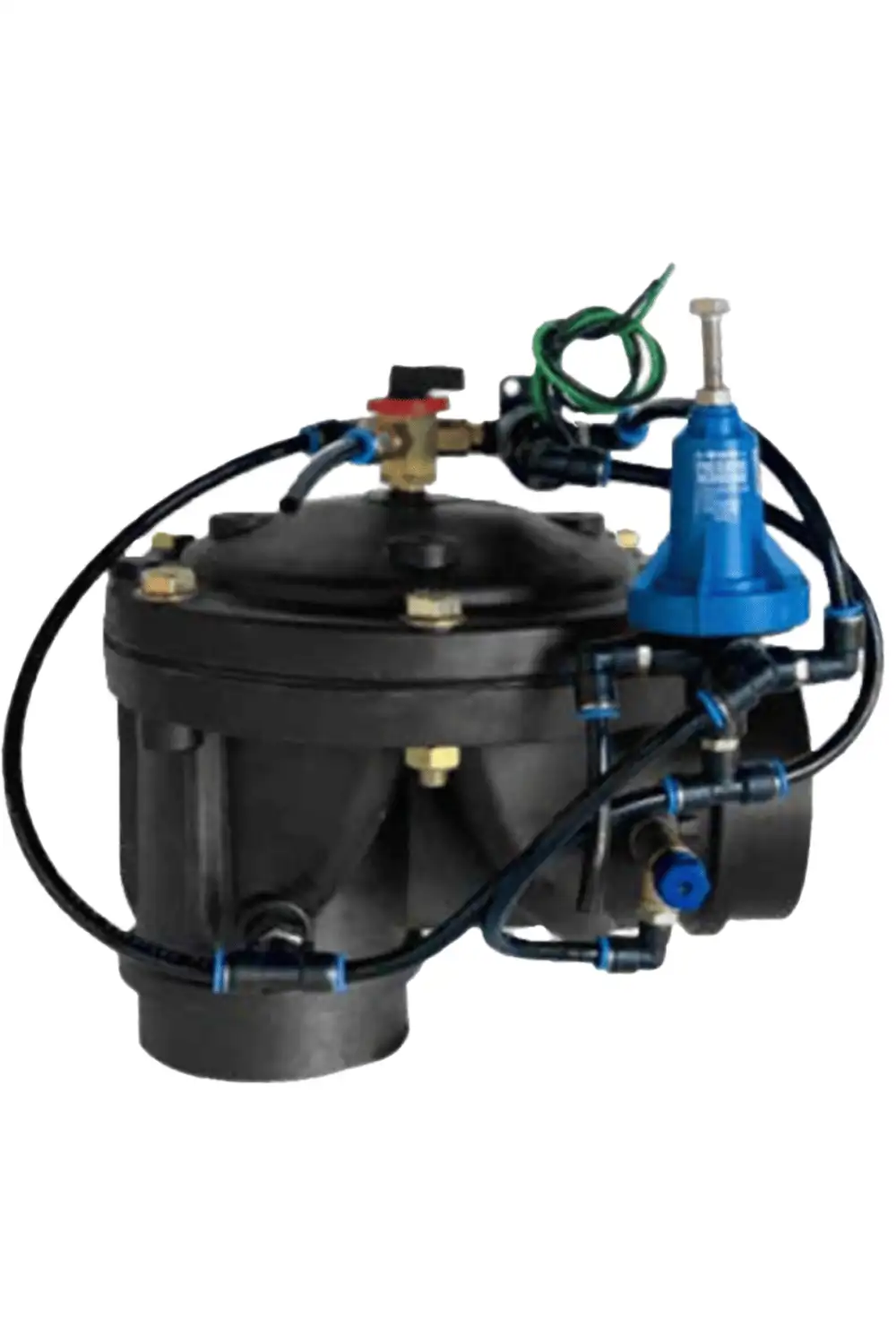
Solenoid valves are mechanical devices and, like all hardware, can suffer from pressure-related damage if not managed properly. Rapid pressure increases (water hammer effect) can damage internal components such as diaphragms, pistons, or seals, leading to leaks or failures. These pressure surges become more dangerous when water is drained from the system or cleaned with air in winter.
Strategies for Controlling Pressure:
- Use pressure regulators to maintain a constant system pressure.
- Install soft-start valves or accumulators to absorb shock during startup or shutdown.
- Avoid opening or closing valves suddenly while under full system pressure; this can cause internal parts to slam hard and shorten their lifespan.
- Verify that system pressure remains within the valve's maximum operating pressure range.
- Prioritize pressure control in high-impact systems such as hydraulic lines or steam networks.
By using a pressure sensor in your system, you can prevent critical thresholds from being exceeded and minimize the mechanical fatigue of your valves.
5. Preparation Specific to Winter Conditions: Drain the Water
The most critical stage of winter maintenance is the complete drainage of water from the system in areas with a risk of freezing. In automatic irrigation systems, valves are usually located below ground level or in open areas. When water is not drained, the narrow channels inside the valve are the first places to crack due to the expansion of ice.
Winter Preparation Steps:- Turn off the main water source and deactivate the pump.
- Lower the pressure in the lines by operating the system manually or automatically.
- Open the drain valves to allow water to drain by natural flow.
- If possible, use low-pressure air (blow-out) to clear remaining water in the pipes.
- You do not need to disconnect the coils from the valve, but placing insulation material over the valve provides additional protection.
6. Create a Preventive Maintenance and Testing Program
The best way to ensure reliable solenoid valve performance is to create a preventive maintenance plan. Many facilities wait for failure to occur before taking action, but proactive inspection saves both time and money. In systems that remain stagnant throughout the winter, pre-spring tests are vital.
An Effective Maintenance Plan Should Include:
- Visual inspections for corrosion, leaks, or unusual wear.
- Functional tests to verify activation timing and responsiveness.
- Leak checks and cycle tests.
- Recording all maintenance activities to identify patterns or recurring issues.
- Pre-planned replacement of seals or diaphragms based on usage cycles or time intervals.
Depending on your application, maintenance intervals can range from monthly to quarterly. Tracking performance data will help prevent unplanned downtime and optimize production efficiency. For more technical details on this subject, you can check our agricultural irrigation expertise guide.
7. Use IoT and Smart Monitoring Technologies
In the world of modern automation, manual control of solenoid valves is giving way to smart systems. The smart irrigation solutions developed by Esular allow you to monitor the status of your valves from your mobile phone at any time. When an unexpected frost event occurs in winter, the system can warn you or automatically switch to protection mode.
Advantages of Smart Systems:
- Remote Management: You can open and close valves and manage winter drainage without going to the field.
- Failure Detection: It notifies you of the risk of burnout in advance by detecting irregularities in the coil current.
- Energy Saving: It preserves battery or electrical life by preventing unnecessary valve openings.
With Esular's E Series Central Station, you can manage all your solenoid valves from a single center and ensure your system is safe throughout the winter.
Technical Data and Calculations
To understand the stress solenoid valves are exposed to in winter, the formula for the freezing pressure of water must be considered. The pressure formed when water freezes in a closed container (such as a valve body) can be modeled with this formula:
Here;
- P: Generated pressure (Pa)
- V1: Initial volume of water
- V2: Volume of ice (V1 * 1.09)
- β: Compressibility coefficient of ice
This formula shows that the pressure applied by freezing water to the valve body can many times exceed the valve's strength capacity (usually 10-16 bar). Therefore, winter maintenance is a necessity, not a choice.
Conclusion
Solenoid valves play a vital role in ensuring the smooth flow of industrial and agricultural processes. With just a few preventive actions such as cleaning, inspection, pressure regulation, compatibility check, and planned maintenance, you can significantly increase the life of your solenoid valves. Doing this not only reduces repair costs and downtime but also ensures safety, reliability, and long-term performance.
Esular's technological solutions are with you to protect your valves against the freezing effects of winter and take your automatic irrigation system to the next level. Need maintenance-friendly solenoid valves or expert support? Contact us today for a sustainable and efficient future.
For more information and professional support, you can visit our contact page or examine our vision from the about us section.