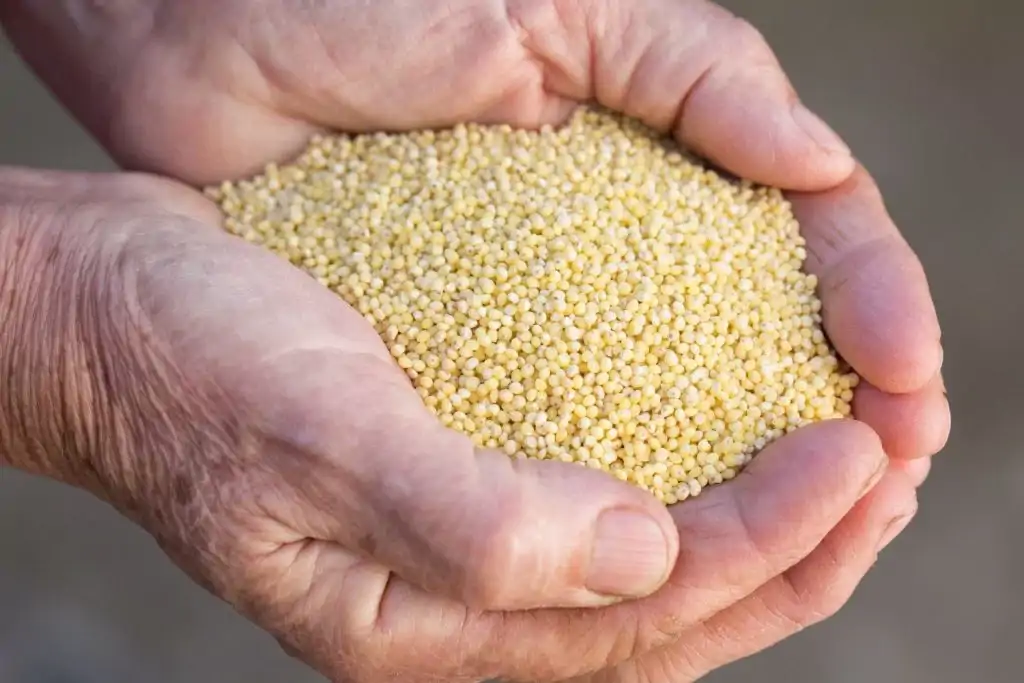
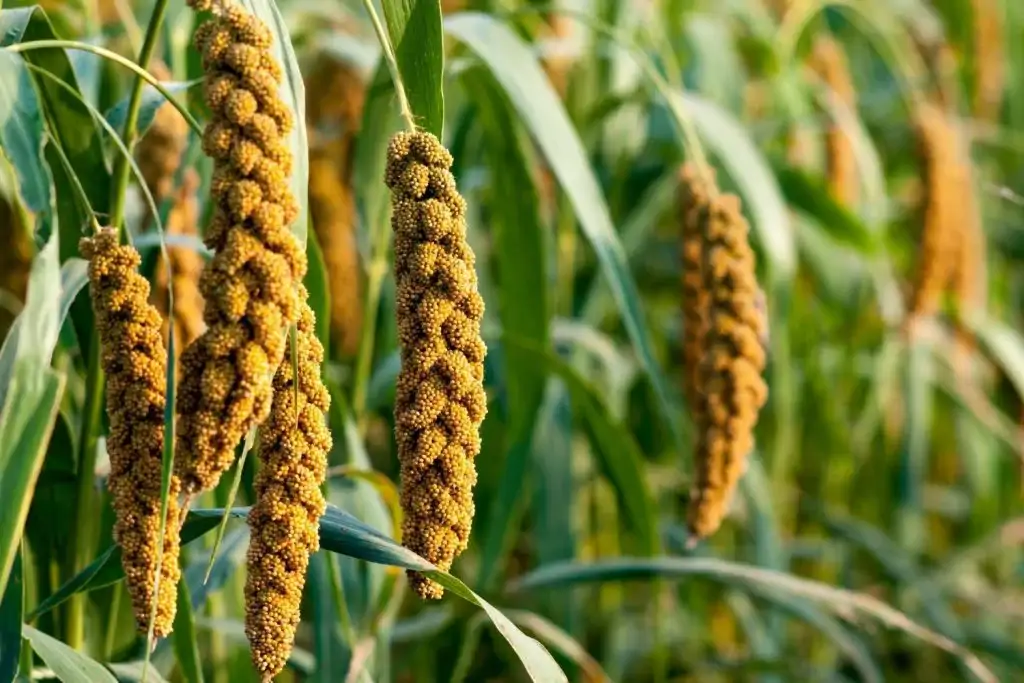
Spray millet cultivation is an agricultural practice that has become increasingly popular with the rising demand in recent years. Due to its nutritious structure, it is frequently preferred especially in the nutrition of pet birds. It is also an attractive option among producers due to its high yield and low maintenance requirements. This plant, which is not selective about climate, can be easily grown in almost any climate condition. In this article, we will provide a comprehensive look at the basics of spray millet cultivation, the processes from planting to harvest, and the maintenance stages. We will share the conditions necessary for high-yield spray millet production, the best planting methods, and maintenance tips with you, our valued readers.
Spray Millet Climate and Soil Requirements
Spray millet, which is not very selective about climate, develops best especially in warm climates. Since the optimum growth temperature is between 20-30°C, it can be damaged by frost events. Therefore, its planting should be carried out in a time period without frost risk. Spray millet has moderate moisture requirements and excessive humidity conditions should be avoided. It is very important for the healthy development of plants that the soil contains organic matter and is enriched with sufficient nutrients. Before starting planting, the soil should be cleared of foreign plants. Under these conditions, spray millet can be grown productively and healthily.
Spray Millet Planting Techniques
For spray millet planting, first, the soil should be cleared of weeds by plowing deeply. Since this plant is sensitive to frost events, planting should begin in the spring months when the soil temperature is between 13-15°C. Spray millet seeds, planted with the help of a seeder, should be monitored until the germination period. When the sprouts reach a height of approximately 10-15 cm, thinning should be done so that 7-10 cm gaps remain between the main plants for better development.
Irrigation in Spray Millet Cultivation
Irrigation in spray millet cultivation is very important for the healthy development of the plant and for obtaining high yields. After planting, soil moisture should be maintained for the seeds to germinate successfully. When the plant height reaches 10-15 cm, irrigation frequency can be reduced, but care should be taken that the soil does not dry out completely. During the growth and flowering period, the plant's water requirement increases; in this period, the amount of irrigation should be increased according to the plant's needs. In spray millet cultivation, you can minimize surface water losses and protect your existing water resources by using pressurized irrigation systems. Additionally, in this way, you prevent potential problems such as salinity.
As Esular, with our experience in water management and irrigation technologies, we are always ready to offer you the most suitable solutions.
Spray Millet Harvest
Spray millet generally reaches harvest maturity an average of 4-5 months after planting. When determining the harvest time, the dryness and color of the ears are looked at. When the ears turn golden yellow, the spray millets are ready for harvest. Harvesting can be done by hand in small-scale areas, or mechanical tools can be used in larger areas. After the harvested ears are dried for a while in a cool and dry area, the millet seeds are extracted. Correct practices after harvest and suitable storage conditions are important factors in preserving the quality of the product. Millets that are not sufficiently dried can mold quickly in a humid environment. This mold can cause serious health problems, especially when given to birds. Moldy feed can lead to many diseases in birds, ranging from digestive problems to the weakening of the immune system.