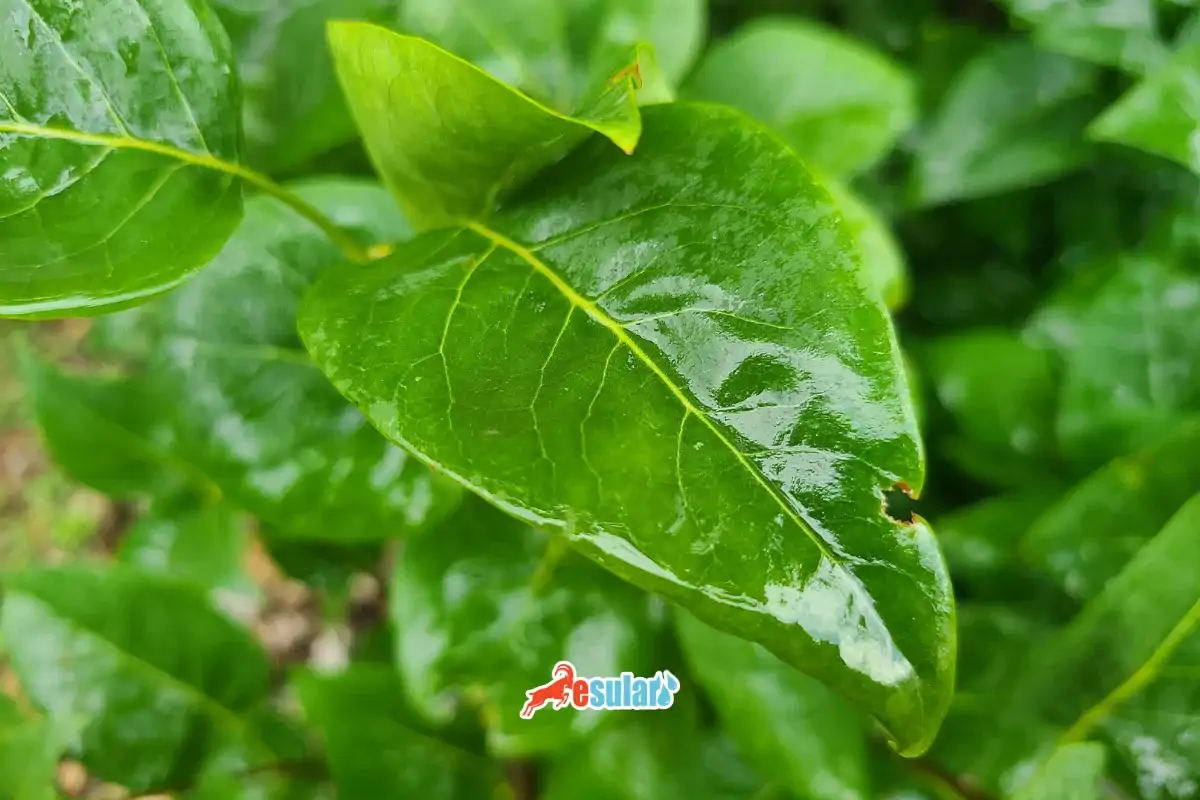
The biggest cause of diseases seen in vetch species is temperature and humidity. . These diseases can be a significant problem for farmers growing vetch and can negatively affect plant yield. The most common diseases seen in vetch species are gray mold and leaf spot disease. These diseases cause significant leaf loss in vetch. Other diseases seen in vetch are downy mildew, root rot, rust and stem spot disease.
Gray Mold in Vetch Plant (Botrytis cinerea)
Gray mold (Botrytis cinerea) is a common fungal disease that affects many plant species, and vetch plants can also be one of the targets of this disease. Gray mold is commonly seen especially in humid and cool weather conditions.
Symptoms
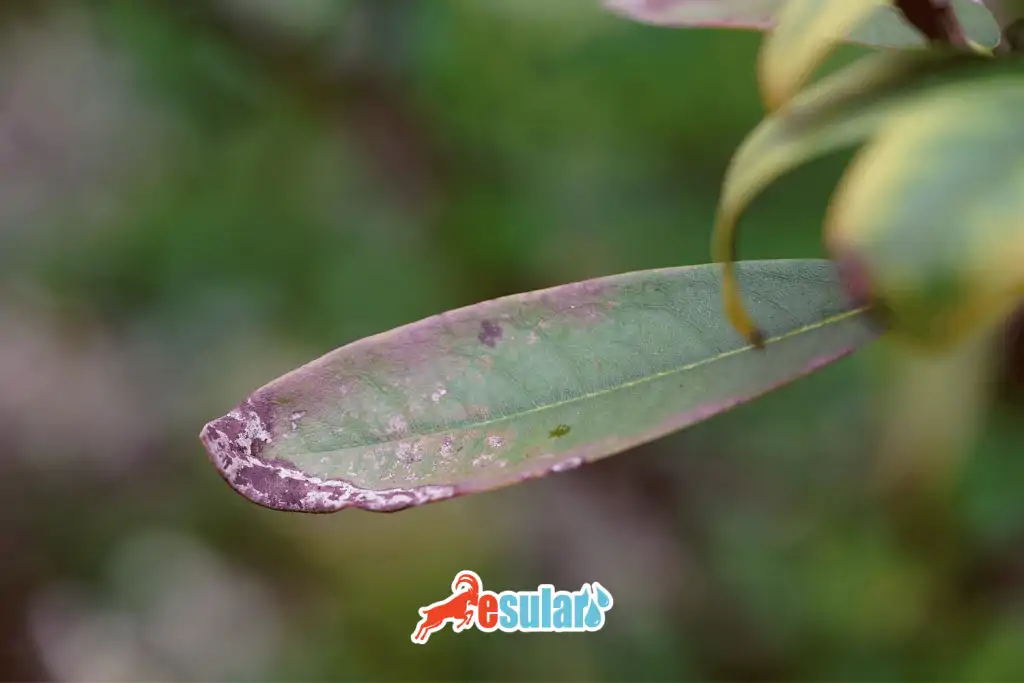
This disease affects the plant by creating grayish or whitish mold-like spots especially on leaves, flowers, fruits and other plant tissues. Gray mold can also cause problems during post-harvest storage.
Agent
Fungal
Disease Development Conditions
One of the most important development conditions for gray mold is high humidity. This disease generally spreads at a humidity level around 90% or higher. It prefers weak, injured or dead plant tissues. Leaves, flowers, fruits and other plant tissues are potential entry points for infection to start.
Control Method
The use of disease-resistant vetch varieties can reduce the spread and damage of gray mold. It is important to clean and destroy plant residues after harvest. Providing adequate air circulation between plants can help reduce humidity and prevent mold formation. Chemical fungicides can be effective in controlling gray mold. However, it is important to use such products in accordance with label instructions.
Leaf Spot Disease in Vetch Plant (Cercospora beticola)
Leaf spot disease (Cercospora beticola) in vetch plant is a fungal disease and this disease is commonly seen on vetch plants. The fungal organism named Cercospora beticola negatively affects plant health by creating spots on plant leaves.
Symptoms
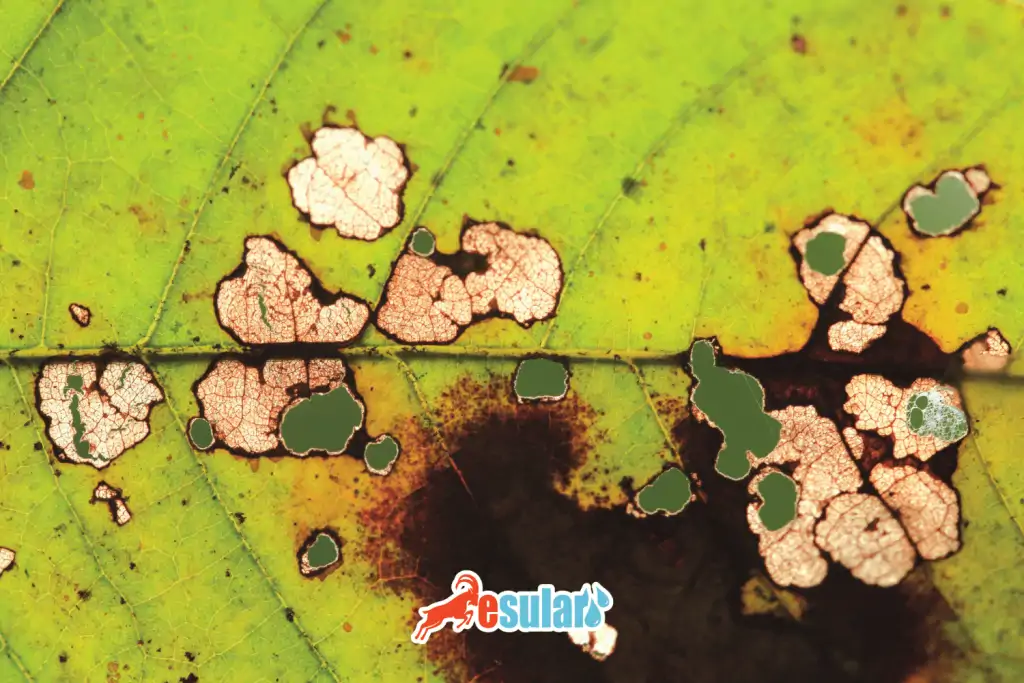
It generally causes the formation of small, circular or oval spots on the leaves of the vetch plant. Spots can generally be grayish, yellow or brown in color. It can lead to the shedding of leaves.
Agent
Fungal
Disease Development Conditions
It is more commonly seen in humid and rainy weather conditions. Dense plant planting, vetch plants being under stress or inadequate nutrition can make them more vulnerable to the disease.
Control Method
The use of disease-resistant vetch varieties can reduce the risk of infection. Cleaning and destroying plant residues remaining from previous seasons can prevent the spread of the disease. Air Circulation, chemical fungicides can be effective in controlling the disease. They should be used in accordance with application recommendations.
Vetch Plant Downy Mildew (Phytophthora infestans)
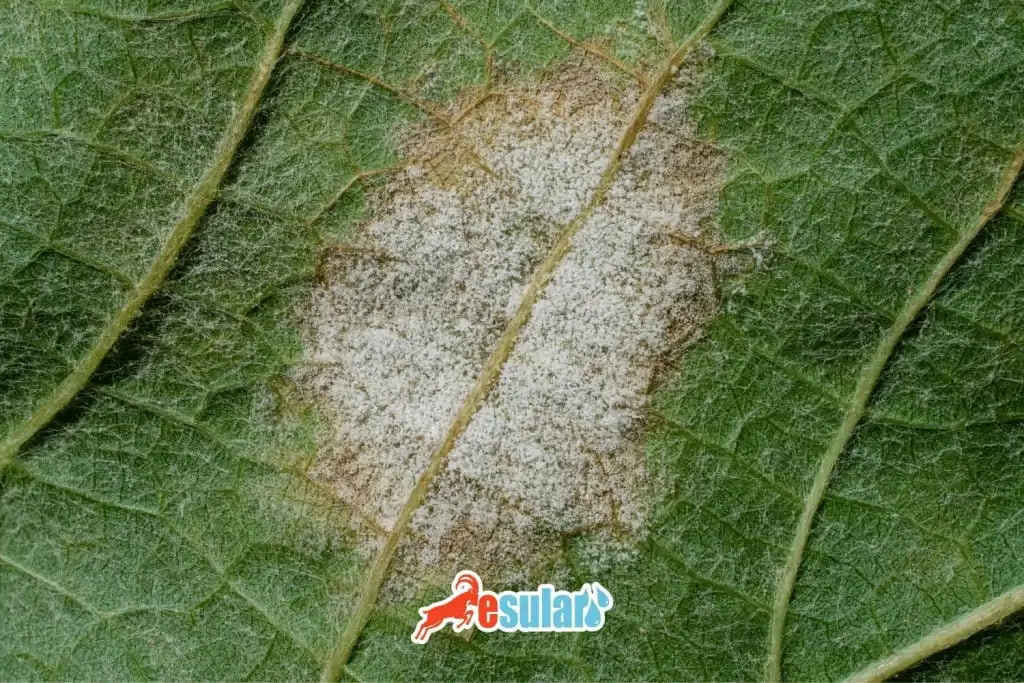
It is a harmful fungal disease affecting the vetch plant. Downy mildew is commonly seen especially in humid and cool weather conditions. It can lead to serious damage and yield losses.
Symptoms
Downy mildew manifests itself on the leaves of vetch plants with spots initially seen as water spots or blisters. These spots can generally be green or yellowish in color. Spots can grow over time and are usually ring-shaped. A white cottony covering may form around the leaves. Infected leaves turn yellow and pale over time. As a result, leaves die and fall off.
Agent
Fungal
Disease Development Conditions
Downy mildew is commonly seen especially in humid and cool weather conditions.
Control Method
The use of disease-resistant vetch varieties can reduce the risk of infection. Cleaning Plant Residues: Cleaning and destroying plant residues remaining from previous seasons can prevent the spread of the disease. Air Circulation: Providing adequate air circulation between plants can reduce the spread of the disease.
Rust Disease in Vetch Plant
Rust disease is a fungal disease that affects various plant species and can also be seen in vetch plants. Rust disease can affect the leaves, stems and fruits of the vetch plant.
Symptoms
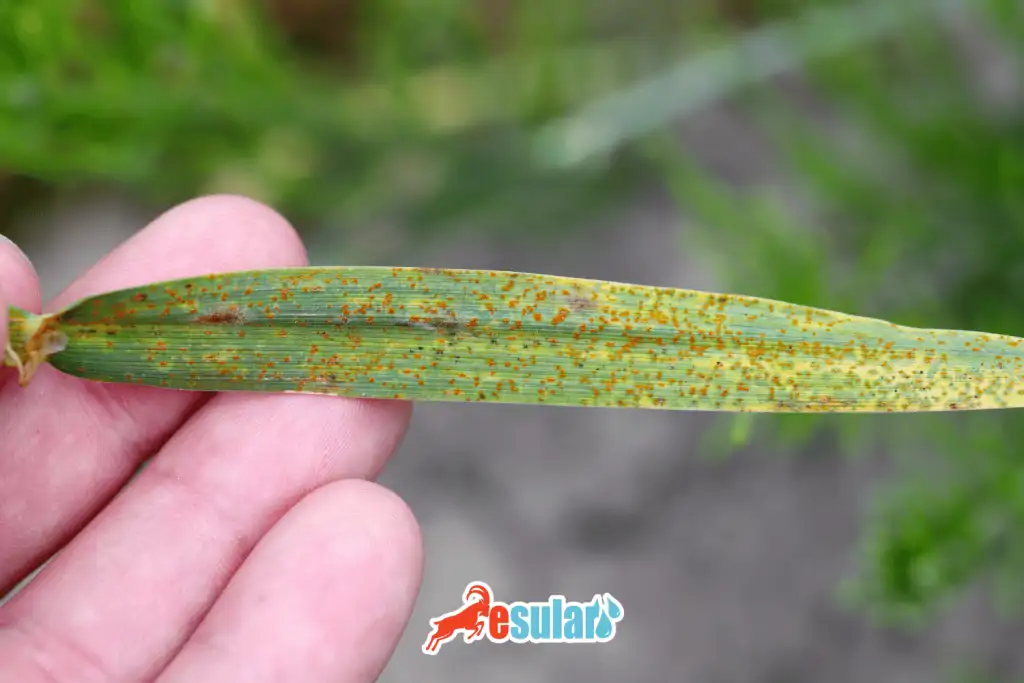
In vetch plants caught in rust disease, it generally causes yellowing and the formation of spots resembling rust color on the leaves. These spots can generally be brown or orange in color. With the progression of the disease, larger spots and specks can form on vetch leaves. These spots can grow over time and cause the leaves to die. Leaf shedding can increase in plants caught in rust disease. Leaves can die under the effect of the disease and the plant can weaken. Rust disease can reduce the yield of vetch plants. Because the disease damages the leaves and can negatively affect photosynthesis, which can reduce the plant's capacity to produce nutrients.
Agent
Fungal
Disease Development Conditions
Rust disease spreads in high humidity weather conditions and at temperatures between 15-25°C (59-77°F). These conditions facilitate the germination of the fungus's spores. It can be transmitted to other plants through wind or water and cause the spread of the disease.
Control Method
Choosing vetch varieties resistant to rust disease. Paying attention to the irrigation schedule to prevent leaves from remaining wet for a long time. Chemical fungicides can be effective in controlling the disease. Use in accordance with application recommendations.