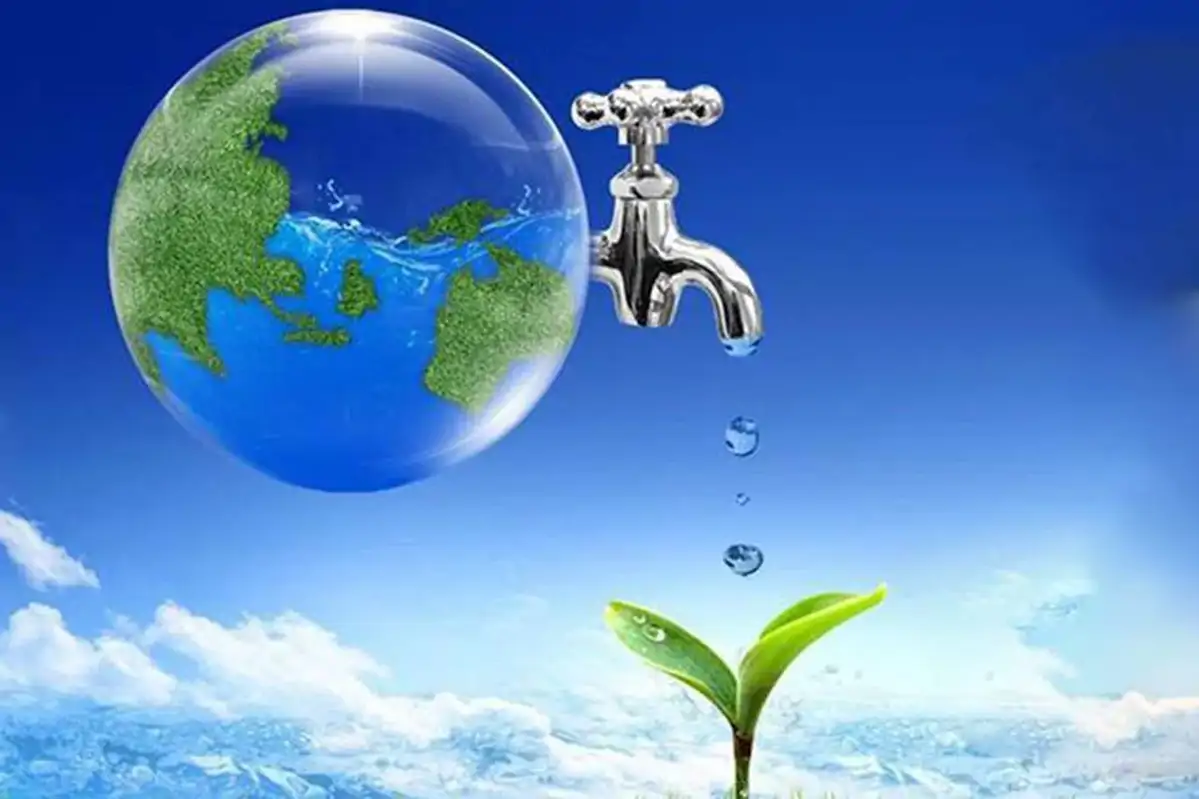
The carbon footprint of water, in our world that is developing day by day, decisions made regarding the management of water and energy resources deeply affect our economy and environmental future. Climate change and other negative factors limit the availability of fresh water and cheap energy. A large amount of energy is spent to supply, treat, and use water. Studies on reducing the unnecessary use of water play an extremely important role for the future of our world. For a sustainable world, we must use our water better and more carefully.
Water Use and Some of the Important Points from Carbon Footprint Issues
Approximately 6% of total greenhouse gas emissions originate from water used in homes.This is equivalent to more than 2.6 kg of CO₂ usage per home per day.
Approximately 90% of these water-related emissions originate from how we use water. The rest are emissions originating from water companies that supply water and the removal and treatment of wastewater. For the last few years, the target for water process emissions is to reach Net Zero by 2030.
A 5-6% reduction in water use in homes can provide an annual saving of approximately 1.3 MtCO₂ emissions.
It is clear that reducing water consumption, even in modest amounts, can help reduce greenhouse gas emissions. While providing significant reductions in greenhouse gas emissions, it also helps secure the future. Protection of water resources is ensured and more water is left for the future, which is also a great advantage for energy use.
Water Consumption and Net Zero Emission Relationship
Water consumption and energy are strongly linked. Energy is consumed in processes such as pumping, heating water, and pumping and treating wastewater, and CO₂ like greenhouse gas emissions emerge. When water consumption decreases, less energy is used, emissions are reduced, and progress towards Net Zero can be made.