What Are Smart Irrigation Technologies And Systems?
Smart irrigation technologies are systems developed to achieve maximum efficiency from water and ensure that plants are irrigated as much as they need. The purpose of Irrigation Automation is to prevent the negative effects of water stress on plants, to ensure water is provided the moment the plant needs it, to provide the highest level of water savings, and also to save time and labor. In this article, we will talk to you about smart irrigation technologies and systems.
What is Smart Irrigation?
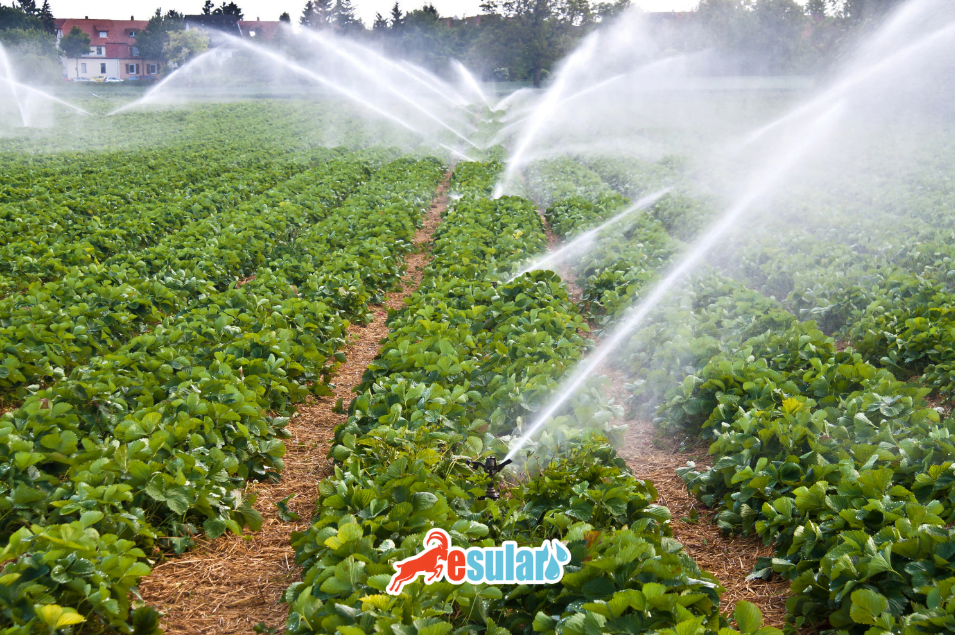
Smart irrigation systems are technology that automatically adjusts irrigation schedules and run times to meet the water needs of irrigation areas. In smart irrigation solutions, not only is irrigation performed regularly, but also production efficiency is provided by more effective irrigation along with the environment, plant type, measurement data, and climatic conditions, ensuring maximum utilization of resources. In this way, it is aimed to perform accurate and efficient irrigation thanks to the data obtained by measuring with sensors.
Unlike traditional irrigation controllers that operate on a pre-programmed schedule and timers, smart irrigation controllers utilize data by monitoring weather, soil conditions, evaporation, and plant water consumption to automatically adjust the irrigation schedule according to the actual conditions of the irrigation area.
How Does a Smart Irrigation System Work?
In the working model of the smart irrigation system, it integrates technologies such as IoT, mobile Internet, LORA, and remote sensing monitoring. Automatic control valves operate remotely and wirelessly. It provides the right amount of water to plants according to soil type and weather conditions to save more than 50% of irrigation water and 30-40% of energy. The working principle of the smart irrigation system mainly includes various technologies such as sensor technology, wireless automatic control technology, and computer technology. It is combined with smart irrigation methods such as sprinkler irrigation and drip irrigation. In this way, data is obtained and remote control is provided.
What Are Smart Irrigation System Components?
The smart irrigation system consists of 4 main components. These components are divided as monitoring, control, transmission, and application. Its most basic components are soil moisture measurement, air humidity, wind and precipitation measurement, measurement of the amount of water used for irrigation, and sensor measurement data such as soil nitrogen and sulfur. In addition, automatic valve control systems and solutions follow.
Monitoring Section
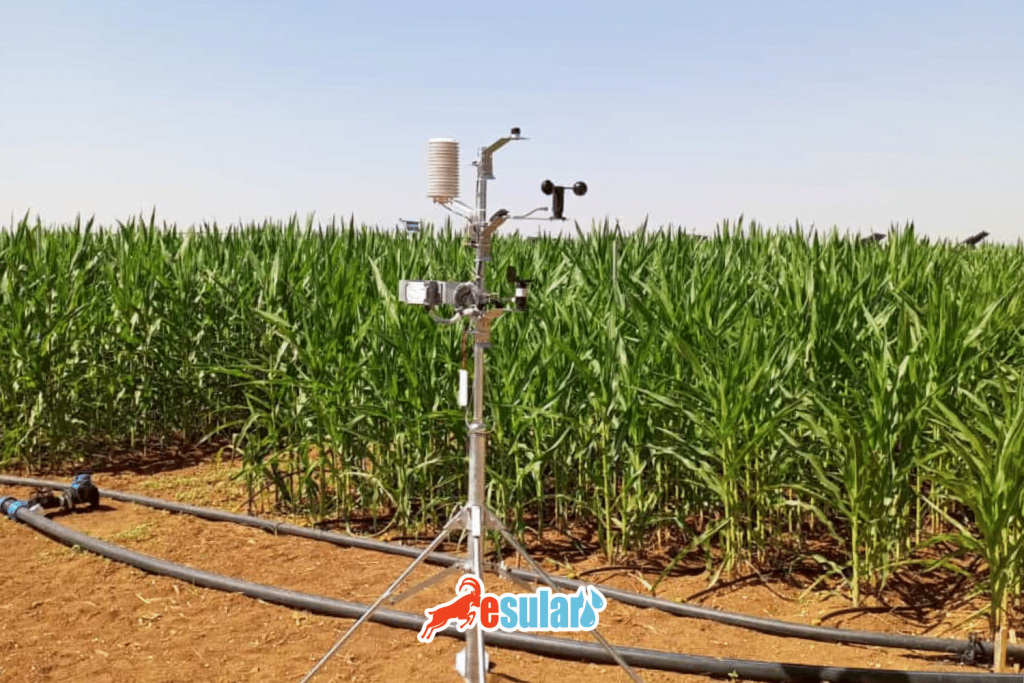
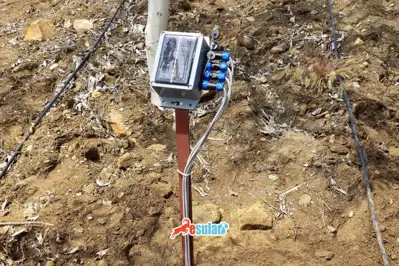
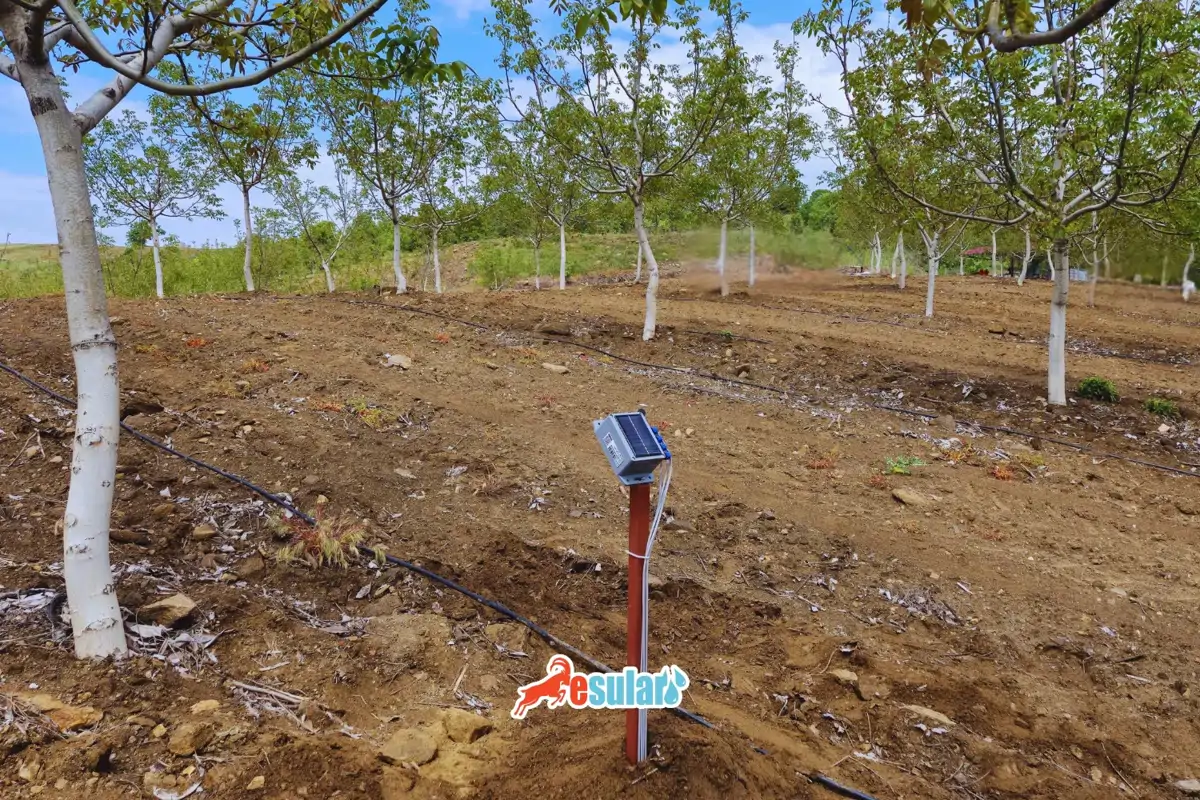
Various sensors for the smart irrigation system are monitoring units. The main sensors are soil moisture sensor, wind speed sensor, water level sensor, evaporation sensor, leaf wetness sensor, rain and snow sensor, and data collector. Thanks to these sensors, it is aimed to increase crop yield while performing accurate and effective irrigation.
Control Section
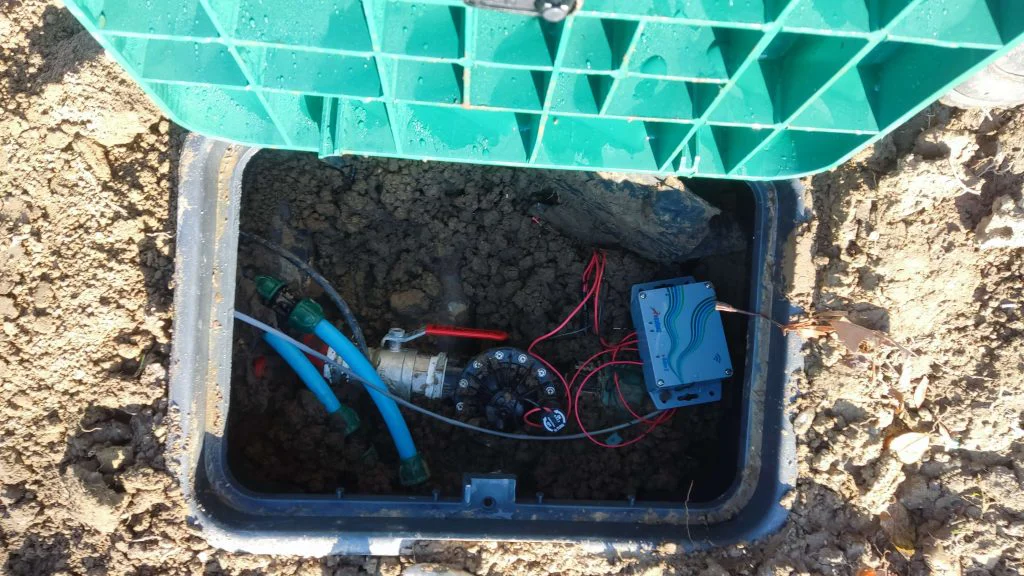
Valves constitute the control section. Valves are connected to the main line, allow water passage to laterals, and take part in opening and closing the system. Various control valves form the basis of automatic irrigation. They are used to provide remote intervention.
Transmission part
The monitored data signal and command signal are transmitted to the central control unit. If Lora wireless transmission is used, the transmission part is the lora gateway and data collector. If you use home wifi, the transmission part is the router and monitoring host. This provides the opportunity to control without going to your field. It allows you to open and close your valves automatically and plan your irrigation time with sensor support.
Web and Mobile Application
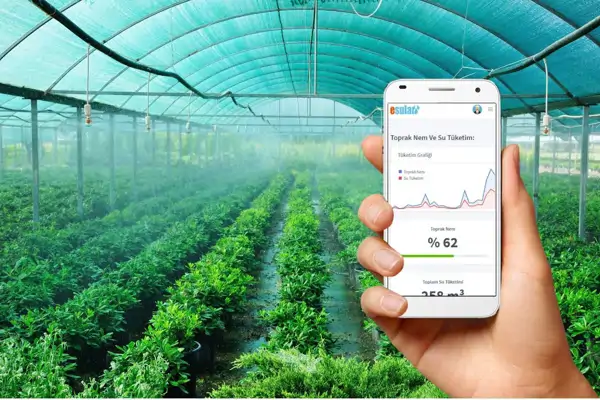
It is generally a software system for data sorting and analysis. It can analyze data, store data, and give control instructions. The platform software supports mobile phone and computer operations.
Sensor Solutions
To be able to perform accurate and effective irrigation, it is important to know certain parameters of the soil. Thanks to sensor solutions, it is possible to monitor important parameters of the soil. In this way, both water and energy savings are achieved, and you make your irrigation planning efficiently.
Soil Moisture Sensor
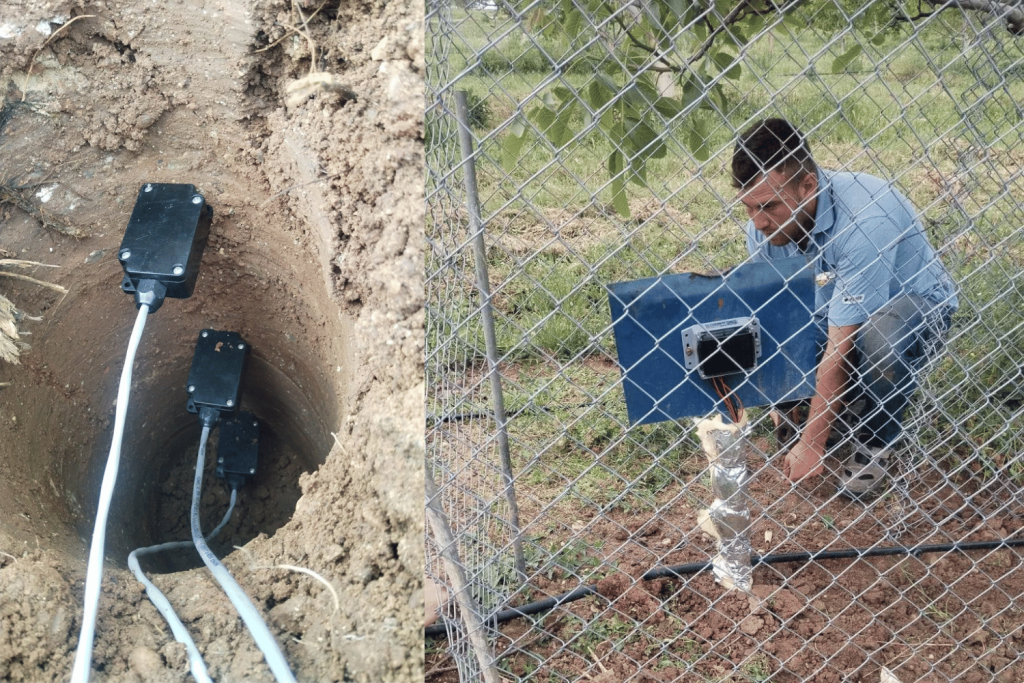
Soil moisture sensor is a sensor we can use to measure the amount of moisture inside the soil. Measurement is performed by dipping moisture meter probes into the soil to be measured. It can perform moisture measurement of different types of soils step-by-step and from multiple points.
Rain Sensor
Rain sensor is a sensor that can work manually or digitally, allowing the detection of rain or the measurement of rain intensity. Thanks to the wireless rain sensor, you can detect rainfall instantly. The rain sensor does not need to touch the liquid thanks to the capacitive method and thus maintains its long life. It also reacts the moment it rains.
Wind Speed Sensor
Wind speed sensor is one of the weather station sensors. This sensor measures wind speed by converting it into an electrical signal in m/s.
Precipitation Amount Sensor
It is a hydrology, meteorological sensor used to measure the nature of precipitation. It is used to calculate important data about heavy rains, agriculture, and water supply.
Leaf Temperature Sensor (Infrared sensor)
It is a sensor used to measure the heat of the lower and upper leaves of plants. It also measures the water stress of plants and determines when plants need water by looking at this stress level.
Outdoor Humidity Measurement
It is a sensor used to measure the temperature and humidity of the air. It measures the temperature at which the humidity in the air begins to condense. This sensor measures data continuously day and night.
Solar Radiation Sensor (Pyranometer)
It is used to measure radiation values coming from the sun. It provides important values regarding energy yield, performance, efficiency, and maintenance.
Benefits of Smart Irrigation Systems
The benefits of the smart irrigation system are endless. Smart irrigation, also known as precision irrigation, is the most important component of precision agriculture. The devices in the smart irrigation system have a system customized according to needs. It helps irrigation area owners prevent water waste and increase the quality of crop cultivation in their fields/gardens and irrigation areas.
Smart irrigation allows for easier irrigation. It enables irrigation regularly and as much as the plant needs. Equipment such as pumps, pipes, etc., in the system is protected. Situations of bursts, excessive pressure, losses, and leaks are prevented. It makes it easier to provide water as much as the plant needs. It reduces labor costs. It eliminates surprises such as plant and crop loss.
For more information, you can check out our Smart water control technologies article.