Tüm Yazılar

What is a Fungicide?

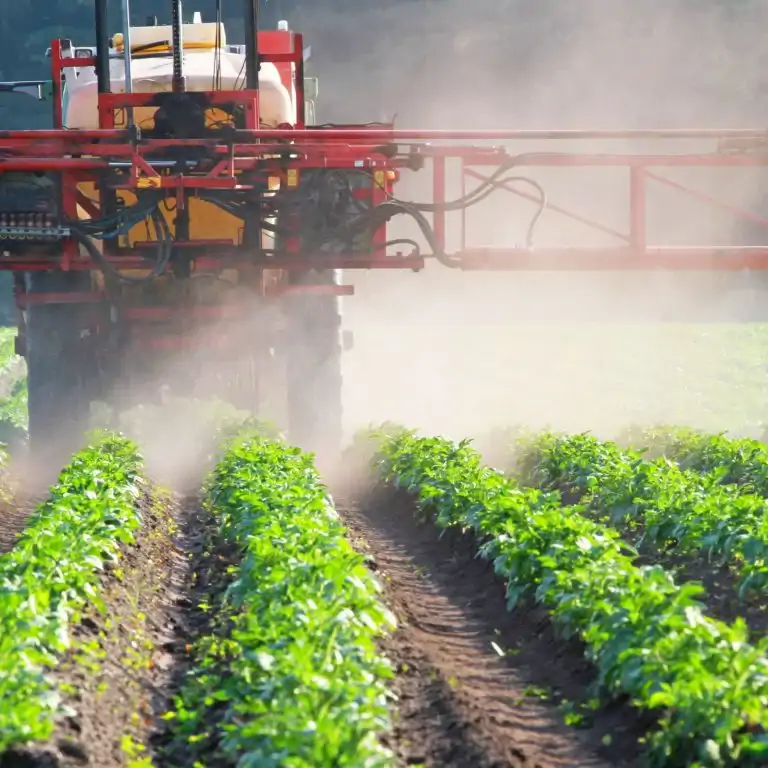
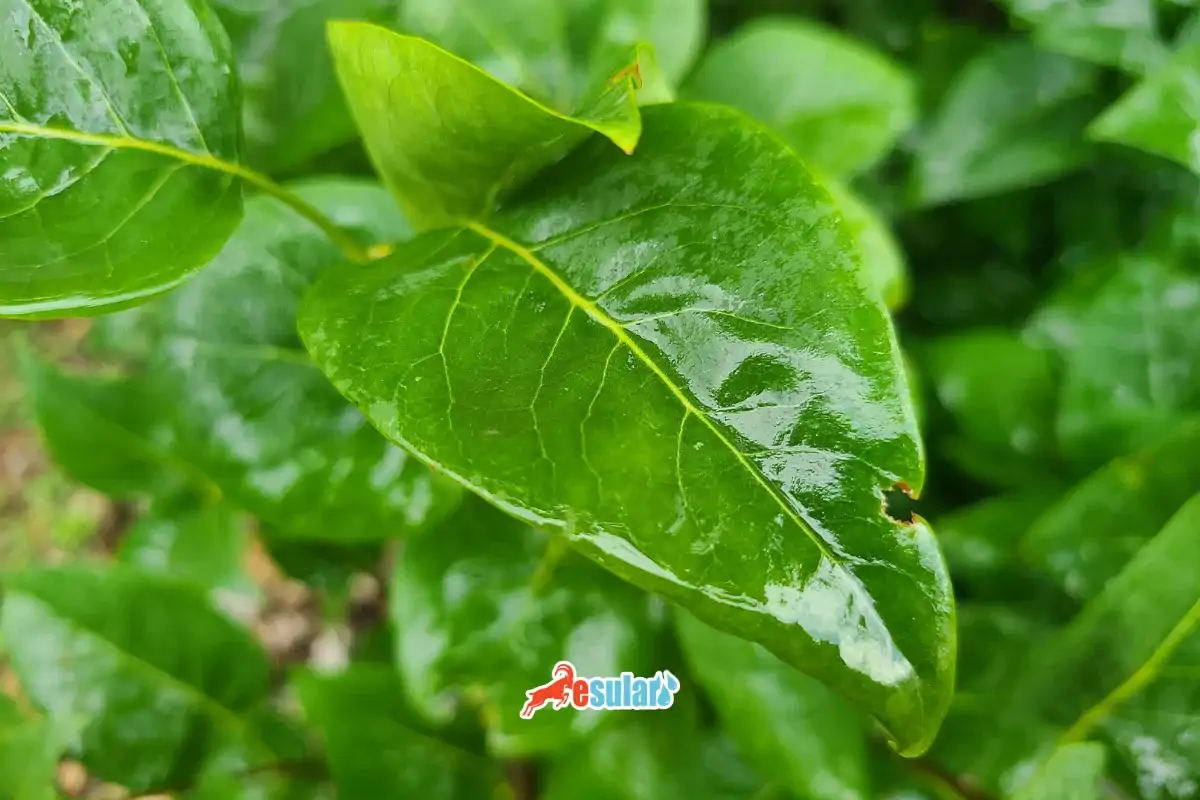
In agriculture, the term “fungicide” defines chemical substances used to control or prevent fungal diseases seen in plants. Plant fungi can cause serious damage to agricultural products and reduce yield. Therefore, fungicides are widely used in agriculture to control plant diseases.

Fungicides can be used specifically for certain fungal diseases or plant species. On product labels, their intended use and which diseases they are effective against are usually specified. However, it is very important for users to use these substances in accordance with their instructions, for both plant health and environmental health.

Where are Fungicides Used?

The agricultural application areas of fungicides are quite wide. These areas can be listed as follows;

In Fields:

  • Grains: Fungicides are used in agricultural products such as wheat, barley, rye, corn, and rice, especially in cases where fungal diseases are common. For example, use against diseases like septoria in wheat and powdery mildew in corn is common.

In Garden Plants:

  • Fruit Trees: Fungicides are used against fungal diseases seen in fruit trees such as apple, pear, cherry, and peach. They are particularly effective in controlling diseases such as powdery mildew, rot, and  .
  • Vegetables: Fungal diseases occurring in vegetables such as tomatoes, peppers, eggplants, and cucumbers may also require the use of fungicides. For example, use is common for diseases such as downy mildew and fungal leaf spot.

In Greenhouse Cultivation:

  • Plant Growing Greenhouses: Fungicides are used for the prevention or control of fungal diseases in greenhouse environments where plants are grown intensively and in a controlled manner. Since greenhouse cultivation is generally an environment where plants are more sensitive, protective measures are of greater importance in such areas.

The correct use of fungicides is of great importance in terms of human and environmental health, in order to minimize harmful effects.

Tarımsal sulama ve ilaçlama

What Should Be Considered in the Use of Fungicides?

Points to consider in fungicide use may include the following:

  • Dosage and Application: It is important to use fungicides at the correct dose and time. Each fungicide has recommended dosages and application times for different plant diseases and different plant species.

  • Timing: Application timing is important to achieve the most effective results. It is generally recommended to apply at the onset of disease symptoms or at certain stages of plant development.

  • Rotation and Alternation: Fungi can develop immunity to fungicides over time. Therefore, the rotation of different types of fungicides can reduce the development of immunity.

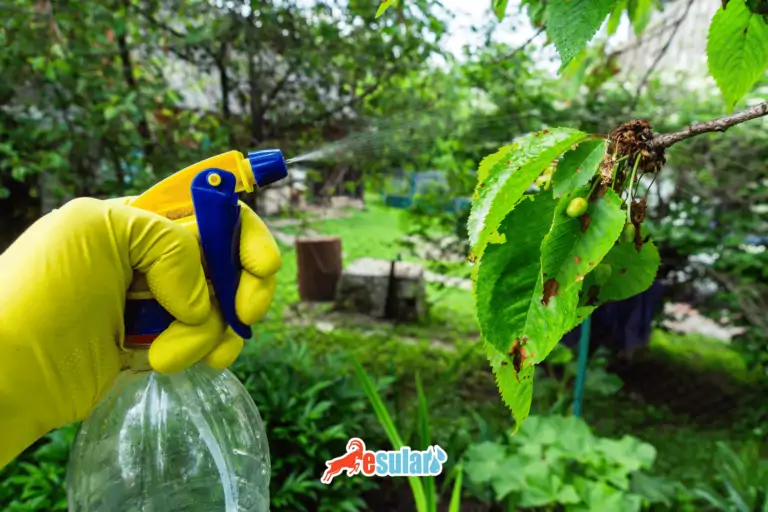
  • Personal Protective Equipment: It is necessary to use personal protective equipment when applying fungicides. Equipment such as respiratory masks, gloves, and protective clothing protects users from the harmful effects of chemicals.

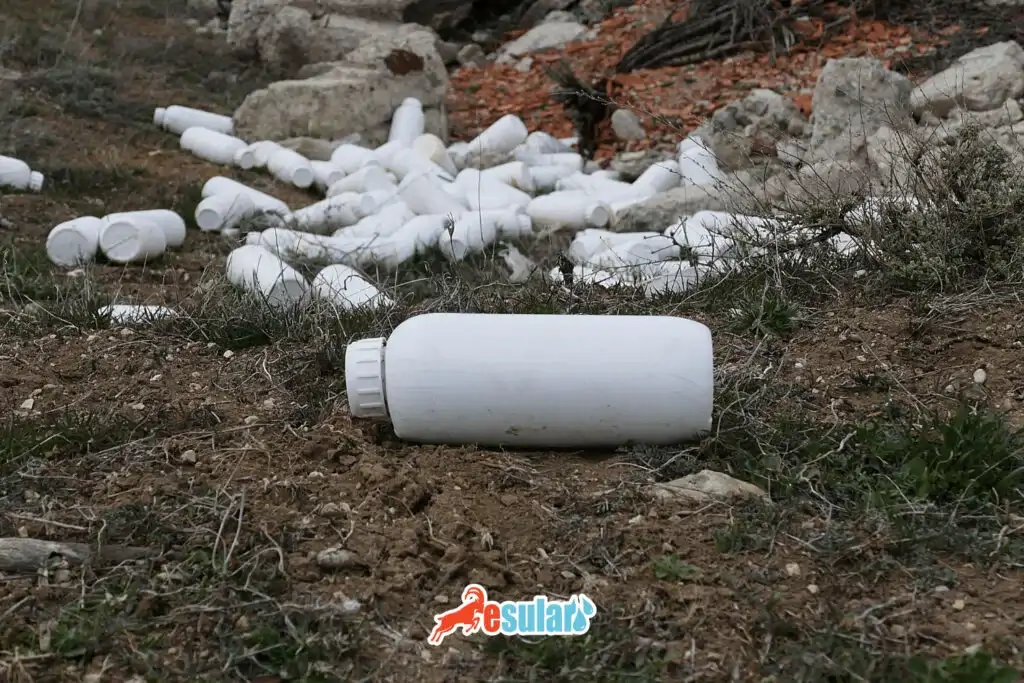
  • Environment and Pests: The effects of fungicides on nature and the environment should be taken into consideration. Care should be taken against other living things in the environment.

  • Legal Regulations: Local, national, and international regulations regarding the use of fungicides must be complied with. The use of certain fungicides may be prohibited in certain countries or may depend on certain conditions.

The use of fungicides is important for plant health and productivity, but ensuring that these chemicals are applied consciously and correctly is very important for protecting both plant health and the environment. Therefore, it is important to act in accordance with expert advice and local guidelines regarding fungicide use in agriculture.

Yorumlar

Daha Fazla İçerik İster misiniz?

Akıllı tarım hakkında en güncel içerikleri takip edin.