Tüm Yazılar
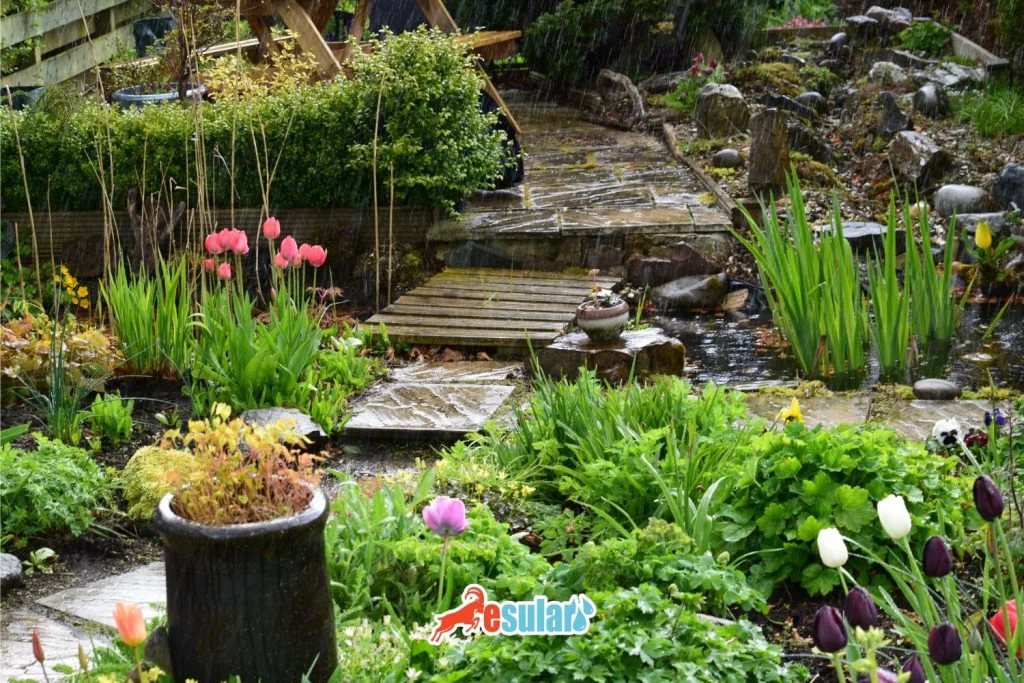

What is a Rain Garden? Rainwater Management
Rain gardens are landscaping practices that capture rainwater flowing from roofs and other impervious surfaces and direct it naturally into the soil, promoting efficient water use. These gardens provide for the storage of rainwater through collection channels, cisterns, or rain tanks and are then designed to recharge groundwater. Direct infiltration of water into the soil prevents erosion and helps with the natural purification of water. Additionally, rain gardens contribute to urban aesthetics, increase biodiversity, and provide sustainable water management by preserving environmental balance.
What are Rainwater Harvesting Methods?
Rainwater harvesting methods are various techniques that enable the collection, storage, and sustainable use of rainwater. Here are some commonly used rainwater harvesting methods:
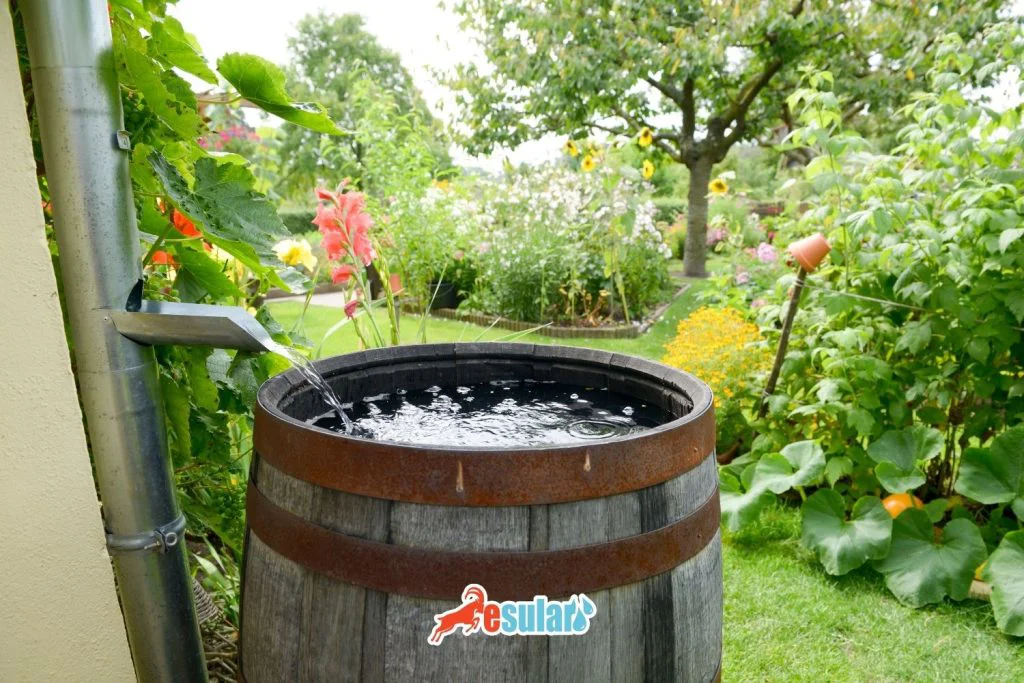
Rain Tanks and Cisterns: It is one of the simplest methods used to store rainwater collected from roofs or surfaces. Rain tanks are usually large-capacity plastic tanks buried underground. Cisterns are generally large, exposed water storage areas.
Rain Gardens: These are gardens designed to collect rainwater flowing from impervious surfaces and slowly infiltrate it into groundwater tables. The plants used in these gardens help with the natural purification of water and contribute to the preservation of environmental balance.
Dry Wells and Infiltration Pits: These are deep pits where rainwater is collected and infiltrated underground. Natural filtration of water is provided through the soil and the roots of plants.
Permeable Pavements and Rain Trenches: These are roads or parking areas created using permeable materials instead of concrete or asphalt. Rain trenches are open channels where rainwater is collected and naturally absorbed.
Filter Strips and Vegetated Buffers: These are areas where rainwater is purified and collected through natural vegetation or special plant strips located along impervious surfaces.
Bioretention Areas: These are areas where water is naturally purified and stored through vegetation and soil.
What are the Benefits of Rain Gardens?
Rain gardens are sustainable water management practices that offer various benefits. Here are some important benefits provided by rain gardens:
Rain gardens collect rainwater from impervious surfaces and purify it naturally. Plants and soil absorb pollutants in the water and render them harmless. In this way, the purified water infiltrates into groundwater tables or nearby water sources and is returned to the natural cycle.
Rain gardens prevent floods caused by heavy rainfall. Since rainwater is infiltrated directly into the soil, the risks of sudden flooding and erosion are reduced.
These gardens allow for the growth of local plant species and help protect natural habitats.
Thanks to rainwater management, rainwater is recovered for reuse and water resources are used efficiently.
They provide aesthetic contributions to landscaping. With combinations of naturally growing local plants and various colors, they provide an aesthetic appearance to the environment and encourage their use as areas for rest and enjoyment for people.
Rain gardens can be applied at various scales in urban and rural areas and play an important role in water management. Each rain garden design is customized according to the needs and environmental conditions of the region to ensure the most effective result.
Where are Rain Gardens Installed?
Rain gardens can be established in various areas to provide water management and environmental protection. Especially in urban areas, they are ideal for collecting rainwater flowing from the roofs of buildings and hard surfaces and ensuring that this water infiltrates directly into groundwater tables or local water sources. Rain gardens can be installed in places with impervious surfaces such as roadsides, parks, gardens, medians, parking lots, and public areas. These gardens offer an eco-friendly approach by controlling the flow of water, reducing the risk of flooding, and ensuring that water remains within the natural cycle. At the same time, they contribute to the protection of natural habitats by increasing local biodiversity and to the creation of aesthetically attractive green spaces. Rain gardens are an important environmental solution that increases the sustainability of urban areas while promoting the efficient use of water.
How to Build a Rain Garden?
There are several basic step-by-step methods for creating a rain garden. Here is a general guide for building a rain garden:
-
Site Selection and Planning: First, it is important to determine the location where you want to establish the rain garden. These are generally areas such as roofs, gardens, parking areas, or roadsides where rainwater is collected and where you want to control its flow.
-
Designing Water Flow: Plan to determine the slope of the area where the garden will be established and how the rainwater will flow. Consider the paths and drainage systems that may be needed to control the water flow.
-
Soil Preparation and Creating Drainage: Shape the garden area by digging it in a way that will provide drainage for the water. Create overflow barriers and drainage channels to prevent water accumulation.
-
Plant Selection and Planting: When selecting plants to use in the rain garden, choose those that are water-resistant and suitable for local conditions. When placing the plants, arrange them in a way that will control water flow and prevent erosion.
-
Mulch and Soil Control: Keep the soil moist and prevent erosion by covering the area around the plants with mulch. Soil control ensures that water infiltrates underground and that plants grow healthily.
-
Maintenance and Monitoring: Monitor the growth of plants by performing regular maintenance of the rain garden, add mulch, and irrigate when necessary. Regularly check the drainage systems and water flow.
By following these steps, you can establish a rain garden and effectively manage rainwater. These gardens increase environmental sustainability while protecting local water resources and improve the aesthetic and functional characteristics of urban areas.
Kategoriler