Tüm Yazılar
What is a Seed Drill? What is it Used For?
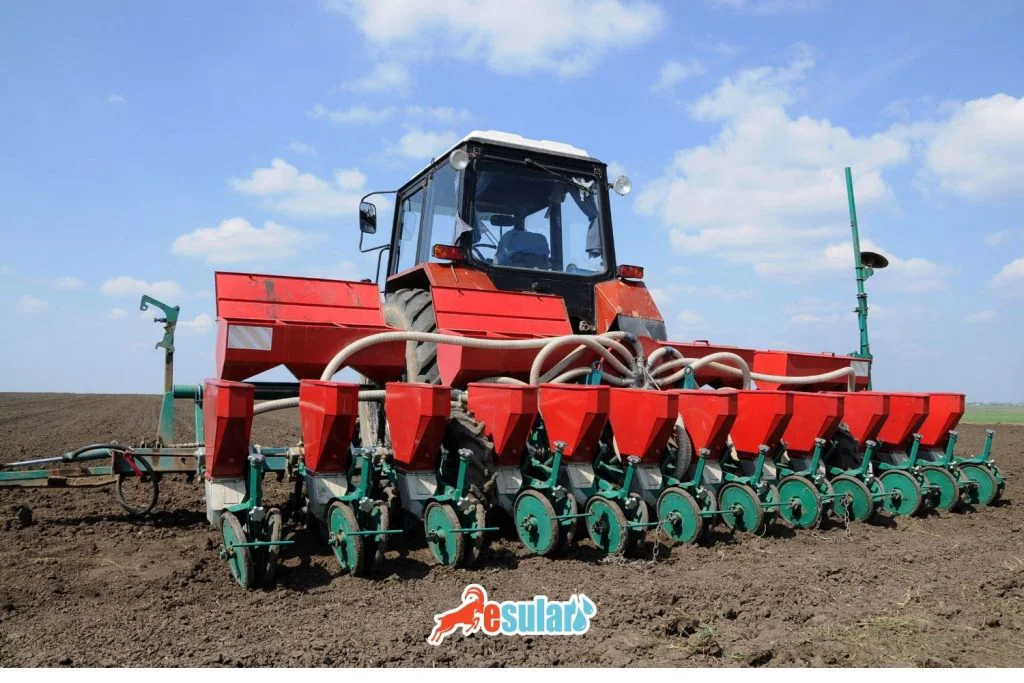
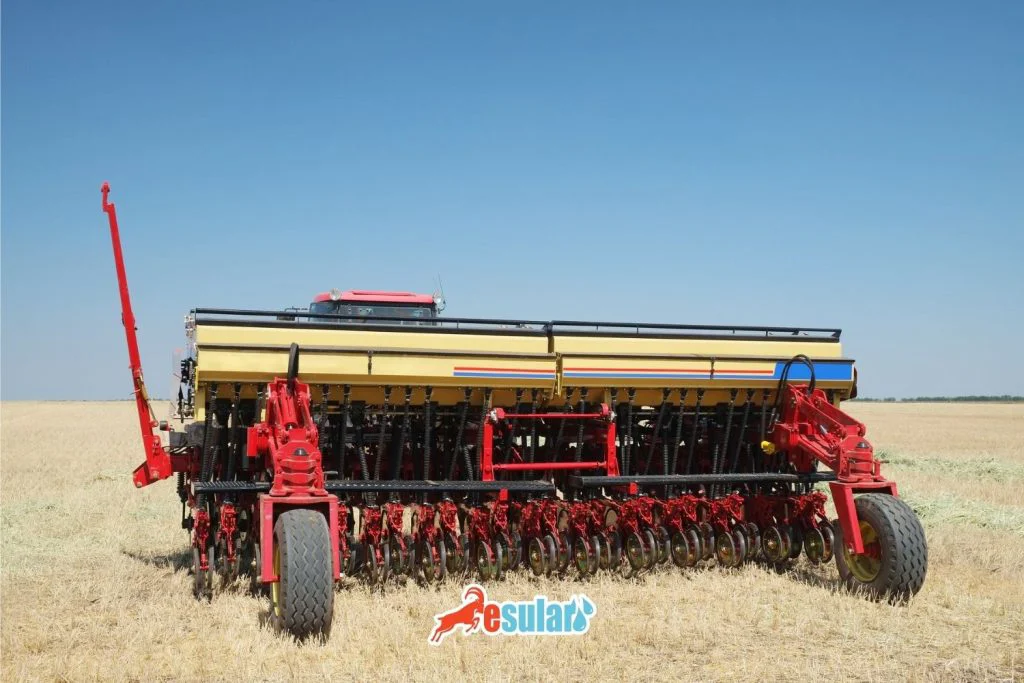
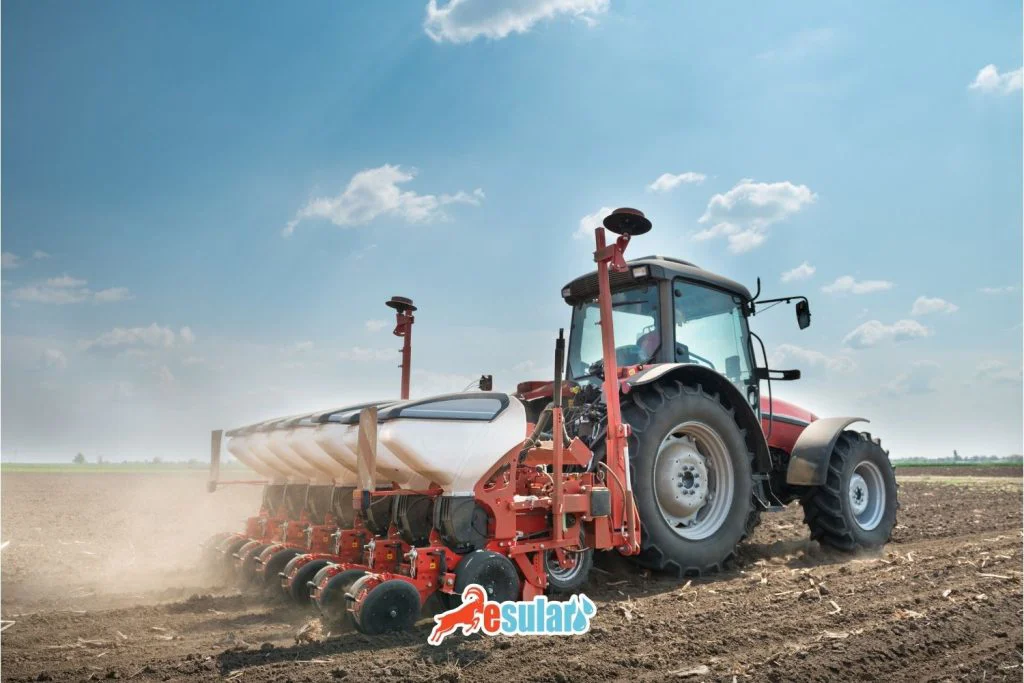
A seed drill is an agricultural machine used to perform seed sowing in agricultural production in a regular and effective manner. This machine is used by being pulled by a tractor and places seeds into the soil at determined row intervals and the desired depth. Seed drills are generally designed to facilitate large-scale sowing operations for farmers and increase agricultural productivity by ensuring that seeds are distributed evenly and sown at the correct depth. Seed drills, which have types such as pneumatic, universal, or combined, are selected and used in accordance with different seed types and sowing conditions, which provides significant advantages to farmers in the sowing processes.
How is a Seed Drill Used?
Its use begins primarily with the correct attachment of the seed drill to the tractor. In trailed type seed drills, the drawbar must be firmly attached to the tractor's towing hook. In mounted type seed drills, the connection to the tractor is made using a three-point hitch system. After the machine is connected to the tractor, right-left and front-rear parallelism adjustments must be made. These adjustments ensure that the seed drill places the seeds evenly at the desired row intervals and depth. To ensure the row spacing is correct, adjustments should be made via the clamps connecting the furrow openers to the beam. For depth adjustment, the desired sowing depth can be adjusted by changing the spring pressure on the furrow openers. Since each seed drill may have different features and settings, these adjustments should be made according to the user manual.
The operation of the seed drill takes place by the seeds placed in the seed box at the top being left in the soil by the sowing mechanisms in the determined amount and row spacing. The movement of the tractor ensures the driving of these mechanisms, and the seeds are conveyed to the furrow openers and placed under the soil. In this way, the seed drill ensures the regular and systematic sowing of seeds in agricultural production, offering significant advantages to farmers in the sowing processes.
What Should be Considered When Buying a Seed Drill?
Some important points to consider when purchasing a seed drill are as follows:
Determine Your Needs: Determine which agricultural products you want to sow. This will help you determine which type of seed drill is suitable for you (for example, pneumatic, universal, or combined).
Capacity and Scale: The capacity and processing speed of the seed drill should be suitable for your business scale and workload. For large-scale agricultural enterprises, higher-capacity seed drills may be preferred.
Quality and Durability: The quality of the materials used in the construction of the seed drill and the workmanship are important. Choosing a durable and long-lasting seed drill provides cost savings in the long run.
Ease of Adjustment and Use: The fact that the settings and use of the seed drill are easy increases the efficiency of the operator. It is important that the settings are simple and user-friendly.
Technical Specifications: Examine the technical specifications of the seed drill. Technical details such as sowing depth adjustment, seed and fertilizer adjustment, and row spacing adjustment should be suitable for your work.
Machine Maintenance and Service: Get information about the maintenance requirements and service possibilities of the machine. It is important to choose a reliable provider for after-sales support and spare parts supply.
Cost and Budget: Determine your budget during the purchasing process. The cost of the seed drill should be compatible with your budget, and you should make a choice that will provide a return on investment in the long run.
By considering these factors, it will be possible to choose the most suitable seed drill for your needs and make the right investment for a productive agricultural business in the long term.
What Should be Considered While Using a Seed Drill?
Some important points to consider when using a seed drill are as follows:
Connection and Assembly: It is important to correctly connect the seed drill to the tractor or other agricultural machine to be used. Connection points must be safe and sturdy. For trailed type machines, it should be ensured that the drawbar is correctly attached to the tractor's towing hook.
Parallelism Adjustments: The right-left and front-rear parallelism adjustments of the seed drill must be made correctly. These adjustments ensure that a proper job is done during the sowing process and help the seeds to be placed at an even depth.
Furrow Opener Adjustments: It is important that the furrow openers are adjusted parallel to the ground. This adjustment ensures that the seeds are placed at the desired depth and in a proper manner.
Spring Pressure Adjustment: The spring pressure on the furrow openers must be adjusted correctly. Spring pressure controls the placement of seeds at the correct depth in the soil. High spring pressure provides deeper sowing, while low spring pressure provides more superficial sowing.
Sowing Rate Adjustment: It is important to adjust the sowing rate according to the recommendations in the seed drill's user manual. This adjustment determines the row spacing of the seeds and the sowing frequency.
Marker Adjustments: The markers mounted on the sides of the seed drill must be brought to the appropriate position to provide guidance during the tractor's turns and movement. This adjustment ensures correct guidance during sowing.
Machine Cleaning and Maintenance: It is important to clean the seed and fertilizer residues from the seed drill after each use. Cleaning and lubricating the machine is necessary for long-lasting use.
Operator Safety: It is important to take all necessary precautions to ensure the safety of the operator while using the seed drill. Care should be taken while the machine is operating, and operator safety equipment should be used correctly.
What are the Types of Seed Drills?
Seed drills are diversified according to their intended use and technical features. Here are some types of seed drills:
Pneumatic Seed Drills: These seed drills are machines that can leave seeds in the soil precisely at the determined depth and row intervals. They are generally used for sowing plants that require large row spacing, such as corn, soy, and sunflower.
Universal Seed Drills: These are seed drills that have a wide range, starting from large seeds such as cereals and pulses, down to small seeds such as pumpkin and carrot. Thanks to their three-row spring legs, they offer the opportunity to sow various seed types at different depths.
Combined Seed Drills: These seed drills are machines that can leave both seeds and fertilizer into the soil at the same time. They are generally preferred for sowing plants such as cereals and pulses.
Single-Row Seed Drills: Ideal for small-scale enterprises or garden farming, these seed drills focus on the function of sowing seeds on a single row.
Multi-Row Seed Drills: Suitable for large-scale agricultural enterprises and have the capacity to sow seeds on more than one row.
Each type of seed drill is designed to suit different agricultural needs and various seed types. When choosing, factors such as the types of seeds to be used, field size, and business scale should be considered.
Kategoriler
Etiketler