Tüm Yazılar

What is Basal Fertilizer?
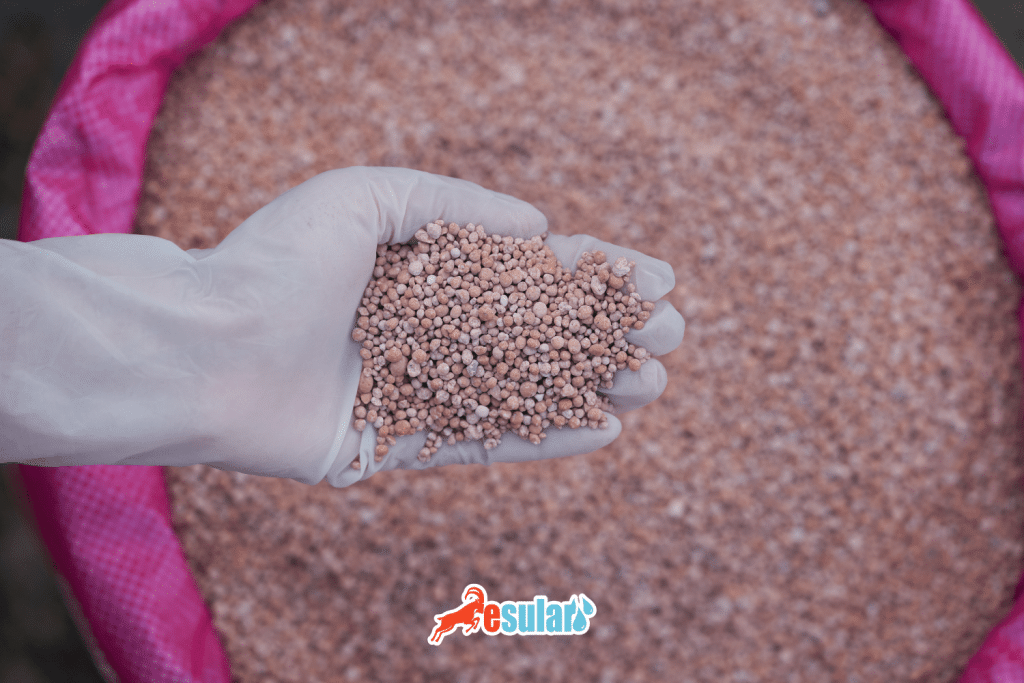
Basal fertilizer is a type of fertilizer used for the growth and development of plants. This fertilizer generally contains nutrients taken up by plants through roots when applied to the soil. Basal fertilizer is used to improve soil structure, meet the basic nutritional needs of plants, and increase productivity.
Basal fertilizer types vary according to the nutrients they contain and plant needs. Basic nutrients generally include nitrogen (N), phosphorus (P), potassium (K), and other microelements. These nutrients are important for the growth, flowering, fruiting, and general health of plants.
How is Basal Fertilizer Applied?
Applying basal fertilizer is important for providing the nutrients that plants need to the soil. Here are the general steps on how to apply basal fertilizer:
Soil Analysis: As the first step, have a soil analysis done. This analysis helps you determine the levels of nutrients in the soil. According to the analysis results, you can understand which nutrients are missing or in excess.
Fertilizer Selection: Based on the soil analysis results, choose the appropriate basal fertilizer. Basal fertilizer generally contains nitrogen (N), phosphorus (P), potassium (K), and these amounts should be adjusted according to plant needs.
Correct Timing: The timing of basal fertilizer application is important. It is generally applied before the growth season of plants begins or during the period when plants have intense nutrient needs. This is important for plants to be able to access the nutrients they need.
Dosing: Determine the fertilizer dosage correctly. This depends on soil analysis results, the plant type, and the growth stage of the cultivated plant. Excessive fertilization should be avoided, as this can lead to environmental problems.
Application Method: You can choose between methods of mixing the basal fertilizer into the soil or applying it to the soil surface. Mixing it into the soil can help the fertilizer integrate better with the soil.
Irrigation with Water: After applying the basal fertilizer, ensure the fertilizer mixes well with the soil by irrigating. This allows plants to access nutrients quickly.
Fertilization Program: Create a fertilization program according to the growth period and needs of the plants. This ensures regular and effective fertilization.
One of the most important factors to consider in the basal fertilizer application process is the use of fertilizer in the correct amounts and sensitivity to environmental impacts. Additionally, performing fertilizer application during the periods when plants need it can increase productivity and support plant health.
What are the Types of Basal Fertilizer?
Basal fertilizer types can be found in various formulations containing different nutrients according to the needs of the plants. Here are some commonly used basal fertilizer types:
Nitrogenous Basal Fertilizers (N): Contains nitrogen, which is important for the general growth, leaf development, and photosynthesis of plants.
Phosphorous Basal Fertilizers (P): Contains phosphorus required for root development, flowering, and fruit formation.
Potassium Basal Fertilizers (K): Contains potassium for the water balance of plants, resistance to diseases, and general growth.
Calcium Basal Fertilizers (Ca): Contains calcium for cell division, cell structure, and general plant growth.
Magnesium Basal Fertilizers (Mg): Contains magnesium, which is important in photosynthesis.
Sulfur Basal Fertilizers (S): Contains sulfur, which is necessary for the synthesis of proteins and enzymes in plants.
Iron Basal Fertilizers (Fe): Contains iron, which plays a role in chlorophyll production and photosynthesis in plants.
Manganese Basal Fertilizers (Mn): Contains manganese, which is important for enzyme activity.
Zinc Basal Fertilizers (Zn): Contains zinc, which is necessary for the synthesis of plant growth hormones and enzymes.
Boron Basal Fertilizers (B): Contains boron, which is necessary for cell division, flower formation, and pollen tube growth.
These basal fertilizer types are used in combination according to the growth stages and needs of the plants. Creating a basal fertilizer program containing the correct nutrients based on soil analysis results increases plant health and productivity.
Benefits of Basal Fertilizer
Basal fertilizer is a fertilization method used in the agricultural field and has many advantages. This fertilization method contributes to the healthy growth, development, and high yield of plants. It meets the nutrients needed by plants by providing elements such as nitrogen, phosphorus, and potassium, which contain basic nutrients, to the soil. Consequently, it helps plants take root more healthily by increasing soil fertility. Basal fertilizer encourages the general growth of plants and supports important growth stages such as leaf development, flowering, and fruit formation. This fertilization method can make plants more resistant to diseases and increases environmental awareness by being produced with eco-friendly formulations. Additionally, it helps plants take up nutrients more effectively by regulating the soil pH balance. The use of basal fertilizer provides faster and more effective nutrition, which allows plants to be healthier and more productive. Therefore, using basal fertilizer by conducting soil analysis and creating a fertilizer program suitable for the needs of plants is an effective method to increase agricultural productivity.
Kategoriler