What is Bermuda Grass Plant?
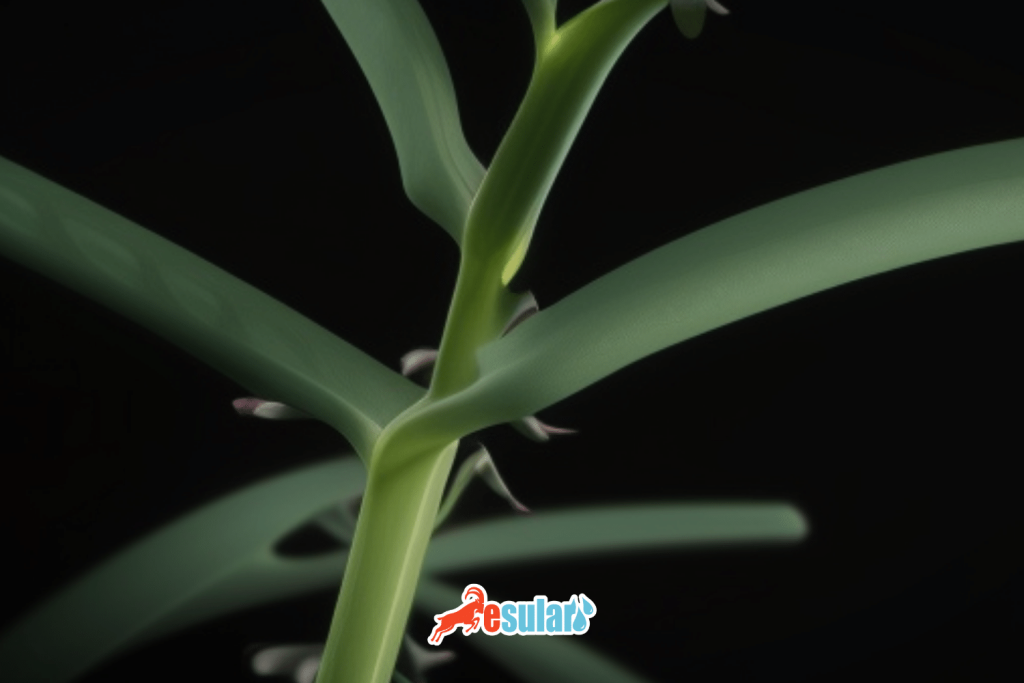
Bermuda grass plant is named Cynodon dactylon (L.) Pers in botanical literature. It is among the perennial herbaceous plants. It is generally known for its hairless leaves and spreading rhizomes. Its leaves are lanceolate in structure, 5-16 cm long and 2-5 cm wide. The flowering period of the grass occurs between April and September. Bermuda grass is very suitable for growing in hot and sunny regions and is resistant to drought and salty soil. It can be grown as a forage and turf plant and is generally observed in fields, roadsides, and meadows. Although useful for erosion control, it is considered a pest in agricultural areas; it can particularly damage some agricultural products such as cotton and citrus fruits.
What are the Harms of Bermuda Grass Plant?
Bermuda grass plant can cause serious problems in agricultural areas and turf areas. These harms are:
- It causes yield loss by competing with cultivated plants.
- It negatively affects the development of crops in planted areas by gaining superiority over cultivated plants in terms of water, nutrients, and light.
- It can cause damage to other plants by acting as a host for diseases and pests.
- With its rapid spreading capacity, it can spread over large areas if not controlled.
- It prevents the development of other plants by secreting allelopathic chemicals and increases operating costs.
- It leads to loss of time and cost for farmers and garden owners by creating a constant need for cleaning.
What are the Control Methods for Bermuda Grass Plant?
The inability to identify a natural enemy of the Bermuda grass plant creates difficulties in weed control. For this reason, three basic methods are recommended for control:
Cultural Control: To prevent seed contamination in the field, the use of well-rotted or fermented farm manure is important.
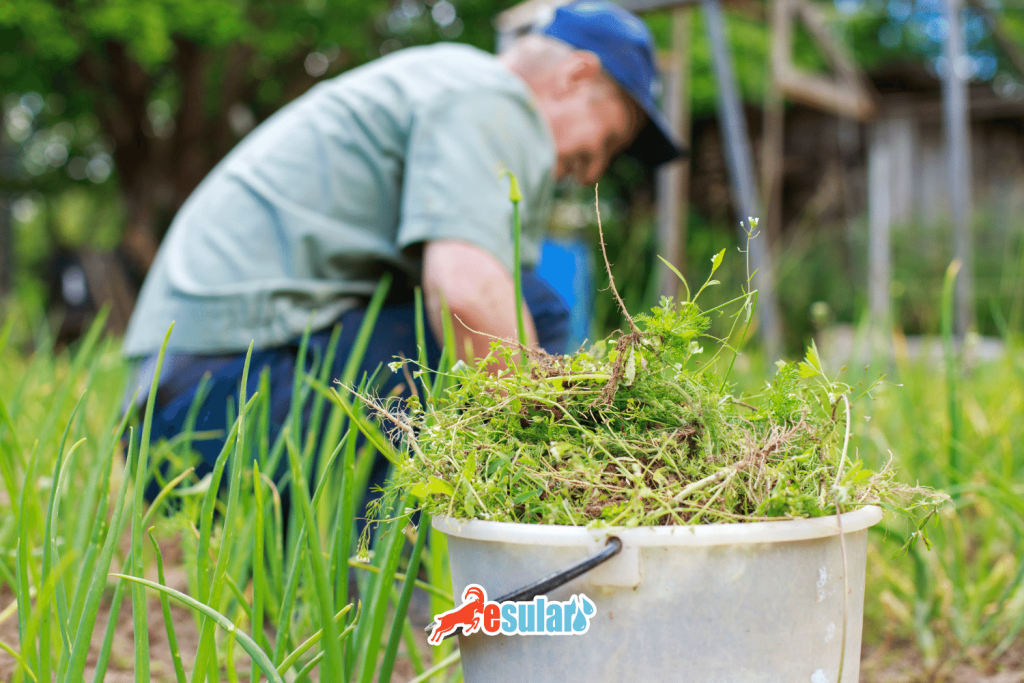
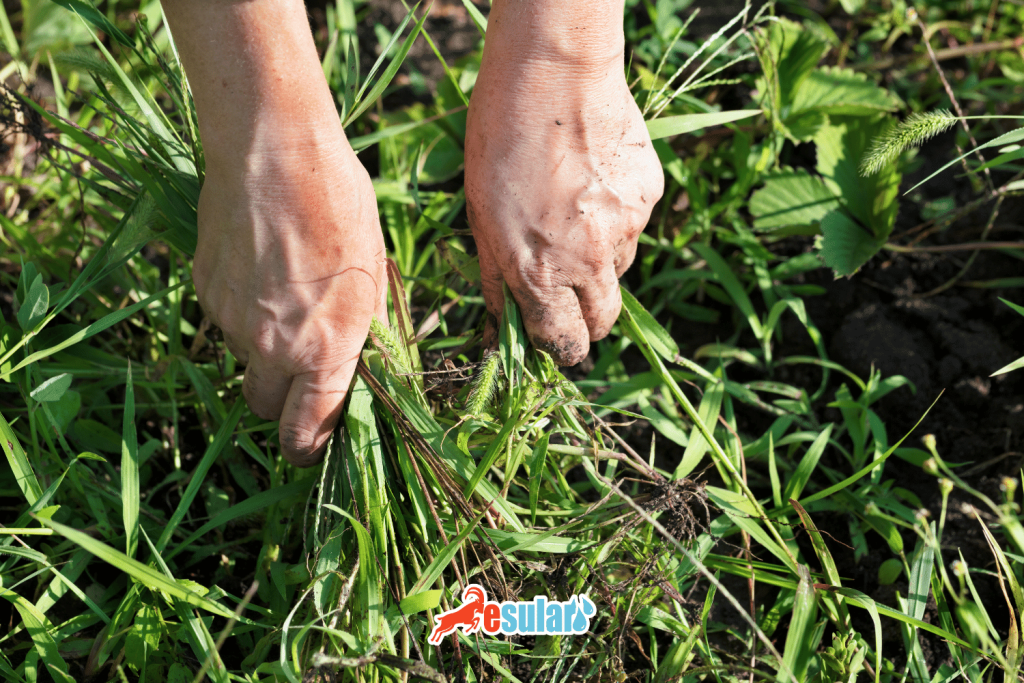
Mechanical Control: Weeds must be cleaned frequently by hand or with the help of a tractor. However, in this process, to prevent the re-spreading of seeds, care should be taken with the cleanliness and maintenance of the equipment used.
Chemical Control: In cases where cultural and mechanical measures are insufficient, control can be achieved through the use of pesticides. However, as with every use of agricultural pesticides, necessary precautions should be taken to protect the environment.
Additionally, other measures such as collecting and destroying weeds and implementing crop rotation can also be effective. Consequently, in every case, determining the correct control strategy and taking appropriate measures is important.
Which Pesticides are Used for Bermuda Grass Plant?
The pesticides used in the control of Bermuda grass plant are generally selective herbicides. Therefore, herbicides are effective against the harmful effects of Bermuda grass, while causing minimum damage to agricultural products. Some commonly used active ingredients among these are:
Florasulam: It is effective against some common weeds like Bermuda grass. It can be used particularly in cultivated plants such as corn and wheat, as well as in meadows and pastures.
Metribuzin: A broad-spectrum herbicide, metribuzin is effective against many weeds, including Bermuda grass. It can be used in many agricultural products such as corn, cotton, tomatoes, potatoes, and soybeans.
Herbicide selection should be made carefully according to the plant species, application conditions, and the targeted weed species. Therefore, it is very important to consult an expert before using these pesticides. Additionally, label instructions and local regulations must be followed before pesticide use.
What Should We Pay Attention to When Performing Agricultural Spraying?
Agricultural pesticides, because they have a systemic effect, can cause serious harm to human health through contact or inhalation. For this reason, when coming into contact with such pesticides, it is of great importance to take protective measures, especially for the eyes, mouth, nose, and hands. If contact with the pesticide has occurred, hands should be washed many times with soapy water, and if it has come into contact with the eyes, they should be cleaned with plenty of water. In case of inhalation of the pesticide or poisoning, one should immediately go out into the fresh air, if possible, vomiting should be induced by drinking warm salt water, and action should be taken according to the instructions specified on the pesticide box. A hospital should be consulted quickly to receive professional medical intervention.

Yorumlar