Tüm Yazılar


What is Blue Tongue Disease?
Blue tongue disease is a viral infection commonly seen in animals such as sheep, goats, cattle, and camels. It is usually transmitted by the bites of Culicoides species midges. The disease takes its name from the blue-purple color changes seen on the tongues and lips of affected animals. However, the symptoms and severity of the disease can vary according to the type of virus transmitted and the breed of the affected animal. Especially in the livestock sector, it can cause serious economic losses. The disease can lead to reproductive failure, low birth rates, and animal losses on the farms where it is transmitted. Therefore, implementing an effective vaccination program against blue tongue disease and taking vectors under control plays an important role in preventing the spread of the disease.
What Causes Blue Tongue Disease?
Blue tongue disease is caused by a virus called BTV (Blue Tongue Virus). This virus is transmitted through the bites of infected Culicoides species midges. Blue tongue virus received this name because of the characteristic blue-purple color changes in the tongues and lips of animals. There are 24 different subtypes or serotypes of BTV. Different BTV serotypes can cause different clinical symptoms and disease progression. For example, while some serotypes cause mild symptoms, others can be associated with more serious symptoms. Therefore, for the control and management of blue tongue disease, it is important to recognize the symptoms of the disease and understand the effects of different BTV serotypes and animal species.
What are the Symptoms of Blue Tongue Disease?
- The number of symptoms shown by blue tongue disease is quite high, and the symptoms can vary according to the progression of the disease and the animal species it affects. Here are the common symptoms of blue tongue disease:
- High Fever
- Increase in Salivation and Nasal Discharge
- Respiratory Problems
- Redness and congestion in the mouth, lips, face, eyelids, and ears
- Diarrhea
- Ulcers and necrosis may occur in the oral mucosa.
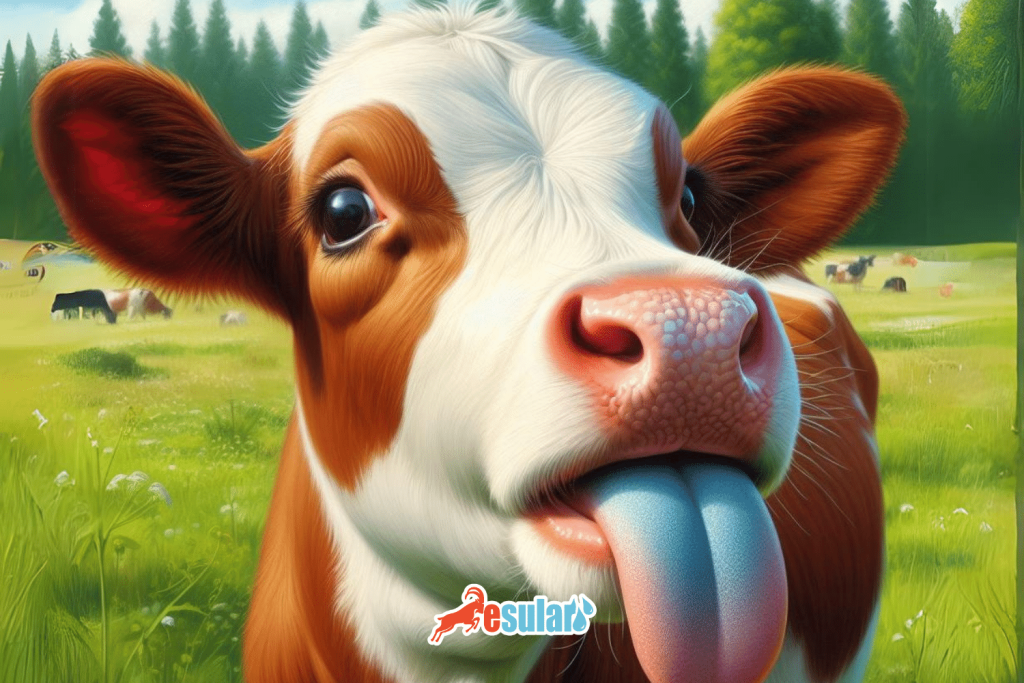
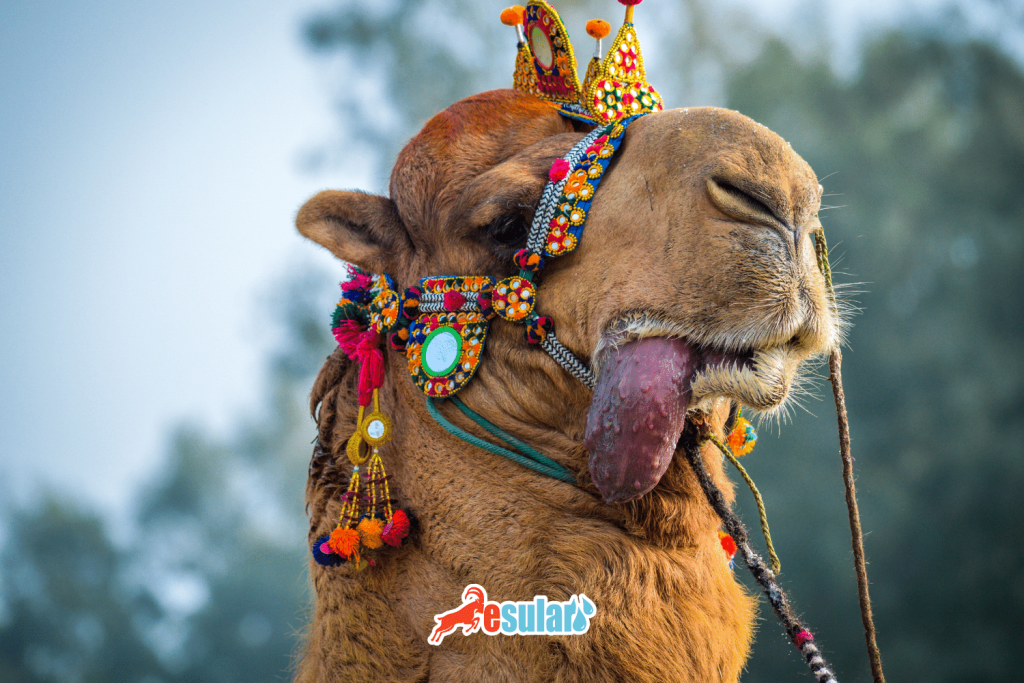
- In the later stages of the disease, the tongue may turn blue and may swell and hang out.
- Lameness in the feet and sores forming between the hooves can restrict the movement of the animals.
These symptoms play an important role in the diagnosis and treatment of blue tongue disease. Early diagnosis of the disease and taking appropriate treatment measures are important to prevent the spread of the disease.
What are the Ways to Protect Against Blue Tongue Disease?
Various measures are taken to prevent blue tongue disease. First, an effective struggle against the midges that cause the transmission of the disease is carried out. Especially in outbreak regions, protection from midges is provided through spraying methods in areas where midges are dense. Additionally, protective vaccines against blue tongue disease are administered to sheep. With quarantine applications, animals suspected of having the disease or infected ones are isolated by separating them from healthy ones. Thus, with the method of ensuring controlled movement, the possibility of animals catching the disease is reduced. Disinfection processes are carried out by regularly cleaning and disinfecting animal shelters, equipment, and other areas. Drying up puddles also prevents the spread of the disease by eliminating the breeding areas of midges. These measures play a critical role in controlling blue tongue disease and preventing its spread.
How is Blue Tongue Disease Transmitted?
Blue tongue disease is not transmitted from one animal to another through direct contact, but through midges of the Culicoides genus. After midges take the virus, they reach the level where they can transmit the virus within a week. Afterwards, they can transmit the virus that causes this disease by biting other animals. Therefore, it is important to keep the midge population under control for the control of the disease. Additionally, it is stated that blue tongue disease can also be transmitted through sexual contact. This situation can make it difficult to spread and control the disease. Therefore, appropriate measures should be taken to prevent the spread of the disease and contact with infected animals should be limited.
Can Blue Tongue Disease be Transmitted to Humans?
blue tongue disease is not contagious to humans. Blue tongue disease is a viral infection seen in animals and does not pass to humans. The disease only affects certain animal species known as ruminant animals, such as sheep, goats, cattle, and deer. Therefore, blue tongue disease does not carry a risk of transmission to humans.
When and How is the Blue Tongue Disease Vaccine Administered?
Vaccination is usually done in the spring and about 3-6 weeks before shearing. This timing is important for the vaccine to provide more effective immunity. However, it is known that the vaccine can cause temporary infertility in rams. Therefore, it is recommended to start vaccination after the ram joining period. On the other hand, the blue tongue vaccine can increase the risk of miscarriage in pregnant animals and increase the possibility of seeing anomalies in lamb births. Therefore, it is not recommended to vaccinate pregnant animals against blue tongue disease. This situation is important for protecting the health of animals and their offspring and should be taken into consideration by veterinarians.
Blue Tongue Disease Treatment
There is no specific treatment for blue tongue disease. The disease is a viral infection and currently has no effective treatment. Therefore, interventions aimed at alleviating the symptoms of infected animals can be made. These treatments include supportive treatments such as antipyretic drugs, anti-inflammatory agents, and providing hydration. However, protective vaccines against blue tongue disease are available. These vaccines help prevent the spread of the disease by developing immunity against the disease in animals. Especially in outbreak regions, it is aimed to control the disease and prevent its spread by implementing vaccination programs. Finally, one should act under the guidance of veterinarians for the treatment and control of blue tongue disease.
Kategoriler