Tüm Yazılar
What is Broomrape?
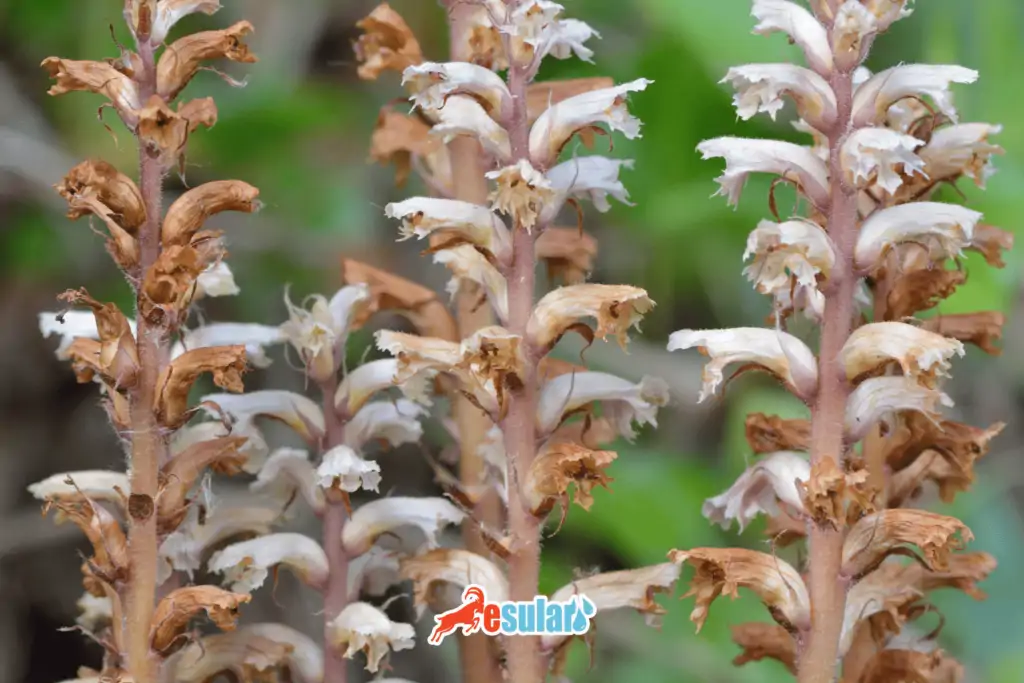
Broomrape is a holoparasitic weed species that threatens agricultural areas worldwide, including Turkey. According to a review article conducted at Gaziosmanpaşa University, broomrape is a plant that reduces the yield of cultivated plants, has very small seeds, and can maintain its viability for a long time. According to a 2014 report by the Ministry of Food, Agriculture and Livestock, this weed, which is generally seen in Mediterranean countries, is common in countries such as Turkey, Italy, Spain, and Morocco. This weed causes serious damage to agricultural products because it grows by absorbing the nutrients of host plants. Various strategies such as regular soil monitoring, chemical control methods, and biological control are used in the struggle against broomrape. However, due to the small and durable seeds of broomrape, the control process can be quite challenging. Therefore, continuous monitoring by agricultural experts and the implementation of effective control methods are important.
What is the Damage of Broomrape?
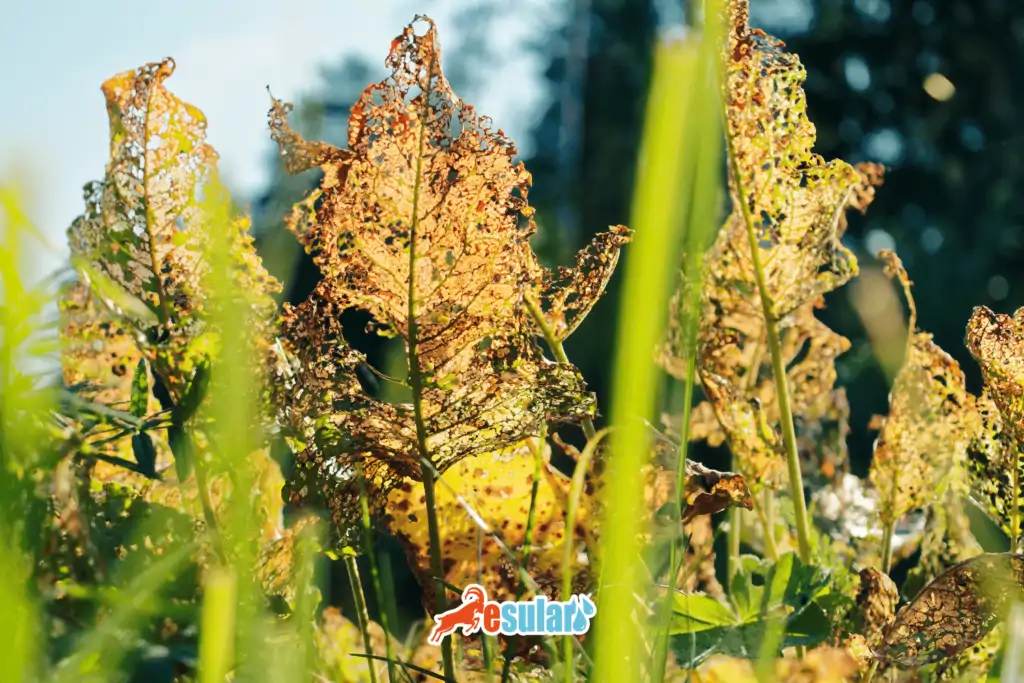
Broomrape is a plant species that creates significant damage in agricultural areas. The main reason for this damage is that broomrape lives by consuming the water, minerals, and organic components of cultivated plants. This process greatly slows down the growth rate of host plants and causes yield loss. In cases of heavy infestation, it can lead to effects so serious that no yield can be obtained at all. The damage caused by broomrape begins before the shoots even emerge on the soil surface and manifests itself through various symptoms in the host plant such as yellowing, wilting, stunted growth, and even death. Research reveals that broomrape causes significant yield losses in different plant species. High rates of yield loss can occur, such as 33% in tobacco, 50%-100% in broad beans, 24% in tomatoes, 33% in sunflowers, and 24% in carrots. However, struggling against broomrape cannot yet be carried out in a fully effective manner. Efforts are made to minimize yield loss by using several control methods together. For these reasons, broomrape appears as a serious problem in the agricultural sector and constitutes a constant source of concern for farmers.
Does Broomrape Cause Yield Loss?
Broomrape causes 5 types of yield loss in our country. These are; Sunflower broomrape which damages sunflower crops, Branched broomrape, Egyptian broomrape which damages lentils and tomatoes, and white-flowered broomrape which damages legumes. It has been observed that it creates yield losses between 5% and 100% depending on the infestation level.
Which Plants are the Hosts of Broomrape?
Host plants are plants in which parasitic plants like broomrape develop by taking nutrients and water during their life cycle. Broomrape uses water and nutrient resources by attaching to host plants and negatively affects the growth and development of the host plant in this process. Depending on the type of broomrape, it has been observed that it prefers different host plant species.
For example:
Blue-Flowered Broomrape (Orobanche cernua): This species particularly prefers plants such as tomatoes, potatoes, and tobacco as hosts. By living as a parasite on these plants, it consumes the nutrients of the host plant.
White-Flowered Broomrape (Orobanche spp.): This species is particularly associated with plants such as lentils and broad beans. White-flowered broomrape feeds and develops on these host plants.
Branched Broomrape (Phelipanche spp.): Sunflower is known as an important host plant for this type of broomrape. Branched broomrape lives as a parasite on the sunflower plant and consumes the plant's nutrients.
Each broomrape species can attach to different host plants and grows by consuming the nutrients of these plants. This situation can cause serious yield losses and plant diseases in agricultural areas. Therefore, in the struggle against broomrape, it is important to identify host plants and develop appropriate control strategies.
How Should Broomrape Control Be Carried Out?
Various methods can be used for effective control of broomrape. Here are some measures and methods that can be used in the struggle against broomrape:
-
Prevention of Infestation:
- The use of clean seeds and seedlings is important; certified seeds should be preferred.
- Well-rotted animal manure should be used.
- Collected broomrape should not be left inside or on the edges of the field; it should be buried in deep pits or burned.
- Care should be taken to ensure that irrigation water does not contain broomrape seeds.
- Agricultural tools and machinery used should be cleaned before coming into contact with infested areas.
- Animals grazing in infested areas should be prevented from entering clean areas.
-
Hand Pulling:
- Hand pulling should be done before the broomrape seeds set.
- Collected broomrape should be burned or buried in deep pits.
-
Deep Plowing:
- Deep plowing should be applied to bury broomrape seeds located in the first 10 cm depth of the soil.
- After deep plowing, soil cultivation processes should be kept limited.
-
Crop Rotation:
- Continuous planting of cultivated plants that are hosts to broomrape should be avoided.
- A crop rotation plan should be made with plants that are not hosts to broomrape.
-
Solarization:
- Heating the soil with a cover is an effective method for killing broomrape seeds.
- It is especially used in greenhouse vegetable production.
-
Chemical Control:
- Chemical control can be applied with herbicides registered in the country that kill weeds.
- Detailed information should be obtained from local agricultural organizations for drug use.
The use of these methods together is important to obtain more effective results in the struggle against broomrape. Farmers can determine the most appropriate control strategies by receiving support from local agricultural experts.
Broomrape (Phelipanche) Plant Herbicide
In the struggle against broomrape (Phelipanche), chemical methods can be used in conjunction with other control strategies to achieve effective results. Herbicides that kill weeds are one of the chemical drugs used in the struggle against broomrape. However, a definitive evaluation regarding the effectiveness of using these drugs alone has not yet been made.
In chemical control, pesticides recommended by experts are used in combination with other methods, and efforts to reduce the density of broomrape are supported. Additionally, soil fumigants are another option that can be preferred for chemical control in the struggle against broomrape.
How is Broomrape Eradicated?
A combination of various methods is important to create a successful control strategy against broomrape. In physical control, the weed can be removed from the soil using the hand pulling method along with its roots. In biological control, natural enemies that damage broomrape or use it as a food source can be used. Mulching prevents the emergence of the weed in agricultural areas and maintains the moisture balance. Solarization ensures that broomrape seeds become ineffective by heating the soil under sunlight. Deep plowing aims to bury broomrape seeds deeper by processing the soil deeply. Late planting can be an effective strategy in the struggle by missing the broomrape emergence period. In chemical control, weed-killing herbicides can be used, but this method is not recommended alone. The use of allelopathic plants can also offer a natural alternative in the struggle against broomrape. The combination of these methods should be selected according to local conditions, the type of broomrape, and the farmer's resources. Additionally, creating a sustainable control strategy by considering long-term effects is an important step in taking broomrape under control.
Kategoriler
Etiketler