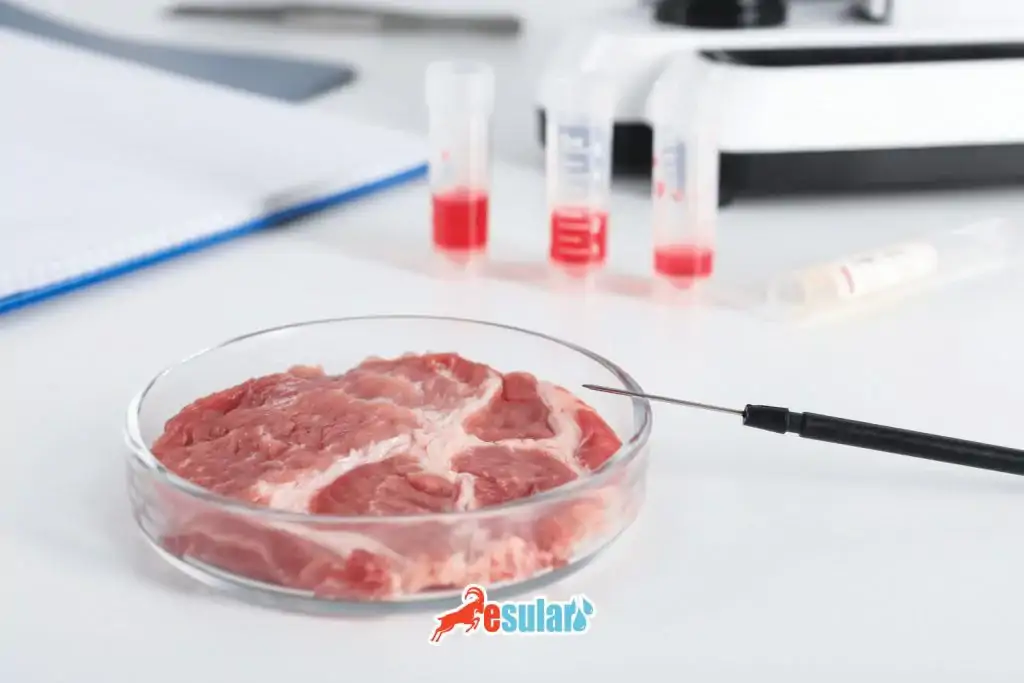
Cellular agriculture stands out as a promising solution for future food production. With the increasing population and limited natural resources, meeting this demand with traditional farming methods is becoming increasingly difficult. Cellular agriculture is offered as a solution to this problem because it has the potential to provide nutritional needs and other non-food products without the need for encroaching on additional lands or further straining natural resources. Products obtained through cellular agriculture have high food conversion rates and similar or identical nutritional profiles. Furthermore, thanks to the controlled production process, products conforming to high stability, safety, and hygiene standards are obtained. This reduces dependence on seasonal and climatic changes while providing greater food security.
Another important advantage of cellular agriculture is that it does not contain animal antibiotics, which helps minimize antimicrobial resistance. Additionally, it allows for the selection of cell lines from animals with the best genes or from species that are difficult to culture. This contributes to obtaining healthy and high-quality products. Finally, the cellular agriculture method allows for the exclusion of components that cause unhealthy or allergic reactions (for example, saturated fat or lactose), which protects consumer health.