What is Copper Fertilizer?

23 Ocak 2026 Çağla Altıntaş 7 görüntülenme
Tüm Yazılar

What is Copper Fertilizer?

Copper fertilizer is a type of fertilizer used to correct copper deficiency in plants or to ensure that plants can absorb copper. This fertilizer provides positive effects on their development by increasing the copper uptake of plants. Copper fertilizer is generally found in liquid or powder form and can be applied to the soil or to plants. When symptoms of copper deficiency are seen in the soil, the health and yield of plants can be increased by using copper fertilizer. However, excessive use of this fertilizer can also cause negative effects. Excessive copper accumulation can lead to toxicity in plants and environmental pollution. Therefore, it is important to use copper fertilizer in correct amounts and in an appropriate manner. Especially, it is recommended to regularly test the soils where the fertilizer will be applied and to seek expert advice. In this way, the amount of copper necessary for the healthy growth of plants can be provided in a balanced manner. When this fertilizer is used correctly, it increases soil fertility and can provide positive changes in plants. Therefore, the effective use of copper fertilizer is an important step in plant cultivation.

What Does Copper Do in the Soil?

Copper is an important nutrient for the growth and development of plants in the soil. Copper found in the soil plays a role in basic biological processes of plants such as photosynthesis, energy production, and protein synthesis. Additionally, copper plays an important role in regulating plant enzyme activity to combat stress and increase resistance to diseases. Therefore, soils containing sufficient amounts of copper are necessary for the healthy growth of plants. Copper can also increase soil fertility by supporting microbial activity in the soil.

bakir gubresi nedir

What are the Benefits of Copper Fertilizer?

Some known benefits of copper fertilizer are as follows:

  • Copper plays an important role in chlorophyll production in plants. Chlorophyll contributes to nutrient production by enabling plants to photosynthesize. Therefore, the healthy growth and development of plants are supported by the application of copper fertilizer.
  • Copper is found in the structure of many enzymes and regulates enzyme activity. These enzymes play an important role in the occurrence of metabolic processes and the transformation of nutrients in plants. With the use of copper fertilizer, plant nutrient uptake and metabolism increase.
  • Copper increases the resistance of plants against external factors and strengthens their resistance against diseases. It has a protective effect especially against fungal diseases.
  • Copper regulates the activities of microorganisms found in the soil and regulates soil pH.
  • Copper helps plants adapt better in stress situations.
  • Regular use of copper fertilizer encourages fruit and seed formation in plants. This ensures obtaining higher yields from plants.

In general, with the regular and appropriate use of copper fertilizer, the healthy growth and development of plants are supported, their resistance against diseases is increased, and their productivity is enhanced.

bakir gubre nedir

What are the Symptoms of Copper Deficiency in Plants?

Symptoms of copper deficiency in plants generally manifest themselves as abnormalities seen in leaves and plant growth. These symptoms may include:

  • Changes in the color of the leaves can be observed. Especially the tips or edges of the leaves can be brown or yellow in color. Paleness or graying in the color of the leaves can also be seen.
  • Leaves may be smaller or narrower than normal. Additionally, there may be irregular growth or shape deformities in the leaves.
  • Copper deficiency in plants can cause leaf drop. This situation can be observed especially in young leaves or newly growing shoots.
  • Copper deficiency in plants can generally cause a slowing of plant growth. Plants may grow less than normal or their development may stop.
  • Problems may be experienced in flowering and fruit formation processes. Situations such as flower drop or reduction in fruit yield can be seen.
  • Plants with copper deficiency may be more sensitive to fungal diseases and other pathogens. Therefore, preventing or correcting copper deficiency in plants is important.

When you observe any one or more of the above symptoms, it should be considered that there may be a copper deficiency in the plants. In this case, the deficiency should be tried to be corrected by using appropriate copper-containing fertilizers. However, excessive use of copper fertilizer can also harm plants, so it is important to adopt a balanced fertilization approach.

How to Use Copper Fertilizer?

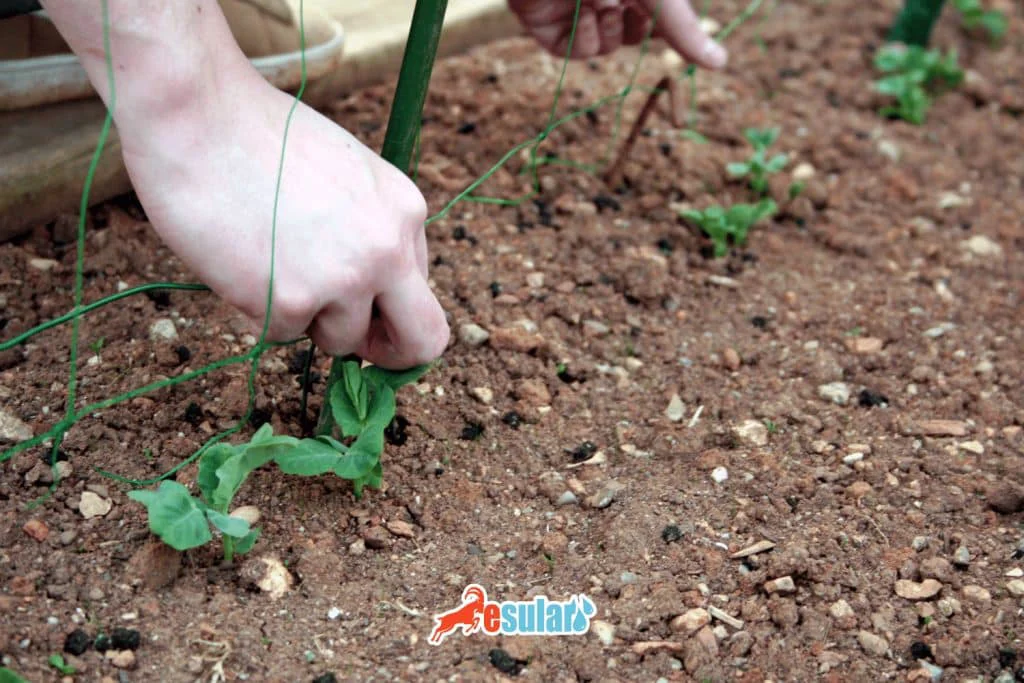
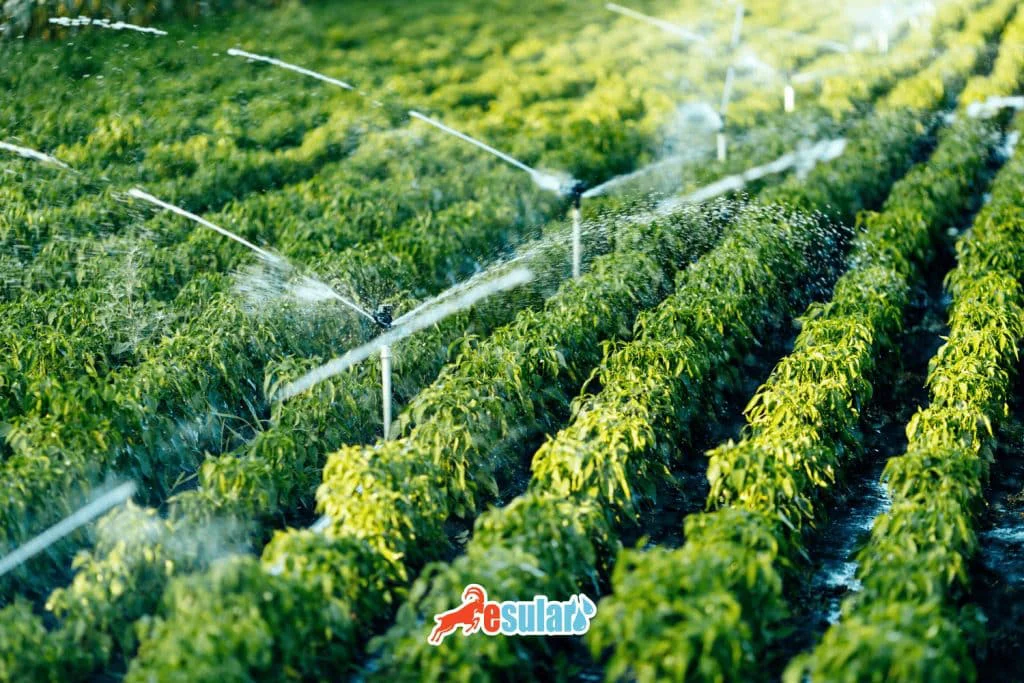
Copper fertilizer is a type of fertilizer used to correct copper deficiency in plants or to make copper absorbable by plants. Copper fertilizer can generally be applied through soil application or the foliar spraying method. In soil application, copper fertilizer in specified amounts is mixed into the soil and becomes absorbable by the roots of the plants. The foliar spraying method involves spraying copper fertilizer onto the leaves of the plants; this method generally provides rapid copper absorption in the leaves. In the use of copper fertilizer, specified dosages must be followed, and care should be taken so that the fertilizer does not reach harmful levels for the plants. Additionally, to increase the effectiveness of copper fertilizer, it should be applied in a way suitable for soil and plant needs. This can help ensure healthy growth and development by meeting the copper needs of the plants.

bakir gubresi

What are the Points to Consider in the Use of Copper Fertilizer?

Some important points to consider when using copper fertilizer are as follows:

  • It is important to apply copper fertilizer at the correct dosage. Specified amounts must be followed, and care should be taken to ensure that the fertilizer does not reach harmful levels for the plants.

  • Copper fertilizer is generally applied through soil application or the foliar spraying method. Which method to use depends on the plant species and growing conditions. In soil application, the fertilizer is mixed into the soil and becomes absorbable by the roots of the plants. The foliar spraying method provides rapid copper absorption by being sprayed onto the leaves of the plants.

  • To increase the effectiveness of copper fertilizer, it should be applied in a way suitable for soil and plant needs. This can help ensure healthy growth and development by meeting the copper needs of the plants.

  • The use of copper fertilizer should be determined especially when symptoms of copper deficiency are seen in plants or according to soil analysis results. Since it can cause excessive copper accumulation in plants, it is important to use the fertilizer carefully.

  • The environmental effects of copper fertilizer should be taken into consideration. Excessive use can cause soil and water pollution, therefore environmental effects should be considered.


Yorumlar

Daha Fazla İçerik İster misiniz?

Akıllı tarım hakkında en güncel içerikleri takip edin.