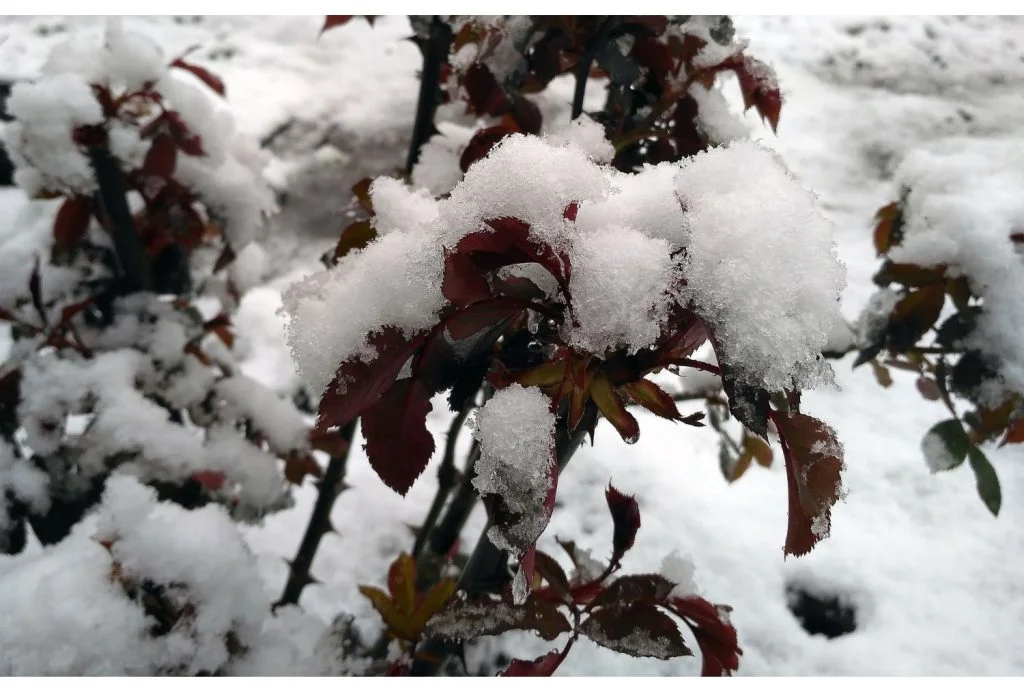
In nature, plants must adapt to environmental conditions to survive. Cold weather in winter, extreme drought in summer, or other adverse environmental factors may require plants to slow down or completely stop their growth processes. This process is called dormancy. Dormancy is a natural mechanism that allows plants to survive in challenging environmental conditions.
What Are the Types of Dormancy?
Dormancy can manifest in different ways depending on the plant's genetic structure and environmental conditions. Generally, it is divided into two main groups: Mandatory dormancy and environmental (facultative) dormancy:
Mandatory Dormancy: It is a biological necessity that requires the plant to stop its growth for a certain period. For example, some fruit trees like apples and peaches enter a rest period for a certain time during the cold winter months. They cannot start growing again without completing this process. translate meaningfully
Environmental (Facultative) Dormancy: The plant stops growth due to unsuitable environmental conditions, but can quickly start growing again when suitable conditions are provided. For example, some plants growing in arid regions enter dormancy when there is no water and start growing again when the first rains arrive.
Factors Causing Dormancy
Dormancy in plants is a state where growth and development temporarily stop. This mechanism helps adapt to adverse factors. The factors causing dormancy are examined under two headings:
1. Environmental Factors
ENVIRONMENTAL CULTURES
Low temperatures: Especially in winter months, many plants enter rest to protect themselves against cold stress.
High temperatures: Extreme temperature and drought conditions can cause growth to cease in order to prevent water loss.
Day Length (Photoperiod)
Changes in days, especially in autumn months, can cause dormancy in plants. Long-day flowers may enter dormancy when days shorten; short-day flowers may enter dormancy when days lengthen.
Water and Moisture Deficiency (Drought Dormancy)
Water deficiency causes the metabolism to slow down, leading the plant to enter rest. Some plants living in arid environments remain in a state of Dormancy until it rains.
Nutrient Deficiency
Deficiency of essential nutrients such as nitrogen and phosphorus in the soil can lead to nutritional Dormancy.
Hypoxic Deficiency
In case of lack of oxygen in the roots due to flooding or heavy soil structure, plants can enter dormancy.
2. Physiological (Internal) Factors
Hormone Balance Plant hormones play an important role in the beginning and ending of dormancy:
Abscisic Acid (ABA): It is the main hormone causing dormancy, suppresses growth.
Gibberellin (GA): It is the hormone that breaks dormancy and stimulates growth.
Cytokinin and Auxin: Ensures the plant emerges from Dormancy.
Genetic Structure: Some plants are genetically programmed to enter sleep at certain periods.
Protection of Growth Points: Dormancy is an important one, especially in perennial plants. In this period, bud development is suppressed by certain hormones, growth stops temporarily and is protected against adverse climate conditions.
The Process of Emerging from Dormancy in Plants
When environmental conditions become favorable, plants gradually emerge from dormancy and continue active growth. This process, referred to as the awakening of plants, occurs through various key factors and physiological changes.
Environmental Factors Enabling the Termination of Dormancy
Plants rely on signals from the external environment to determine when they will emerge from dormancy. The most important factors are:
Increasing Temperature: For plants growing in temperate regions, the onset of warm weather indicates that winter dormancy has ended.
Lengthening of Daylight: Many plants start growing with the lengthening of days in spring.
Increasing Moisture Amount: For plants that enter dormancy due to drought, rainfall or high moisture levels can trigger awakening.
Completion of Chilling Period: Some plants need to be exposed to cold for a certain period before they start growing. This mechanism prevents dormancy from being broken too early.
Hormonal Changes Triggering Growth
When dormancy ends, the plant's internal hormone balance changes:
Gibberellin (GA) Level Increases: It stimulates cell elongation, ensures the opening of buds and germination of seeds.
Abscisic Acid (ABA) Level Decreases: Since ABA suppresses growth, the decrease in its level allows dormancy to end.
Cytokinin and Auxin Levels Rise: It stimulates root and shoot growth, supports new tissue development.
Bud Swelling and Opening of Leaves
Dormant buds start to swell with the increase in internal activity.
Protective bud scales open and new leaves emerge.
Sap flow increases in trees, ensuring nutrient transport to developing tissues.
Reactivation of the Root System
Roots restart water and nutrient uptake to support new growth.
Carbohydrates stored in perennial plants are used to support early shoot development.