Tüm Yazılar

What is Ecthyma Disease?

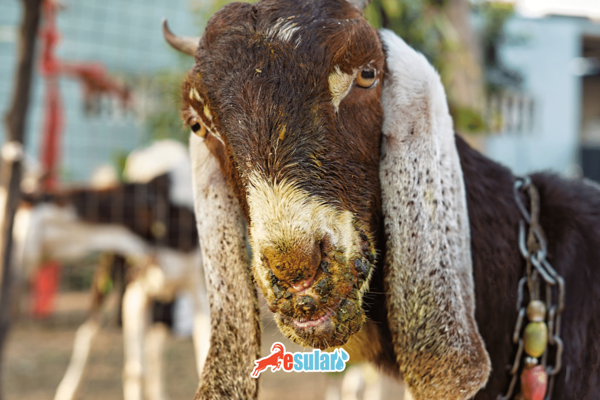
Ecthyma is a viral disease seen in lambs and kids, characterized by crusty sores around the mouth, tongue, lips, and nostrils. The frequency of the disease, especially in young animals, can vary depending on living conditions and the risk of transmission. If left untreated, it negatively affects the general health of the animal. Generally, it causes feeding difficulties and weight loss. Additionally, due to its contagious nature, it carries the risk of spreading to other animals. To prevent the disease, vaccinations should be done regularly, infected animals should be isolated, hygienic conditions should be provided, and contaminated materials should be cleaned. These measures can control the spread of the disease and ensure that animals grow up healthily. Measures taken under the supervision of a veterinarian reduce the effects of Ecthyma disease and protect the animal population.

How is Ecthyma Disease Transmitted?

The route of transmission is usually through the shedding of wound scabs from sick animals, causing the disease to spread rapidly to the environment. The virus can enter the body through the respiratory tract, through wounds on the skin, or via flies. These transmission routes cause the disease to be more common, especially in hot and dry seasons. During the transmission process of the disease, infected animals feel pain while suckling, grazing, or consuming feed. Although the virus is not fatal, lambs with severe mouth sores cannot feed sufficiently, which can cause weight loss and weakening of the immune system. Other diseases such as gastroenteritis and bronchopneumonia can also further complicate this situation and increase the mortality rate. Infected lambs can also transmit the virus to the teats while suckling their mothers. Therefore, similar lesions appear here as well and can lead to complications such as mastitis.

how is ecthyma disease transmitted

Why Does Ecthyma Occur?

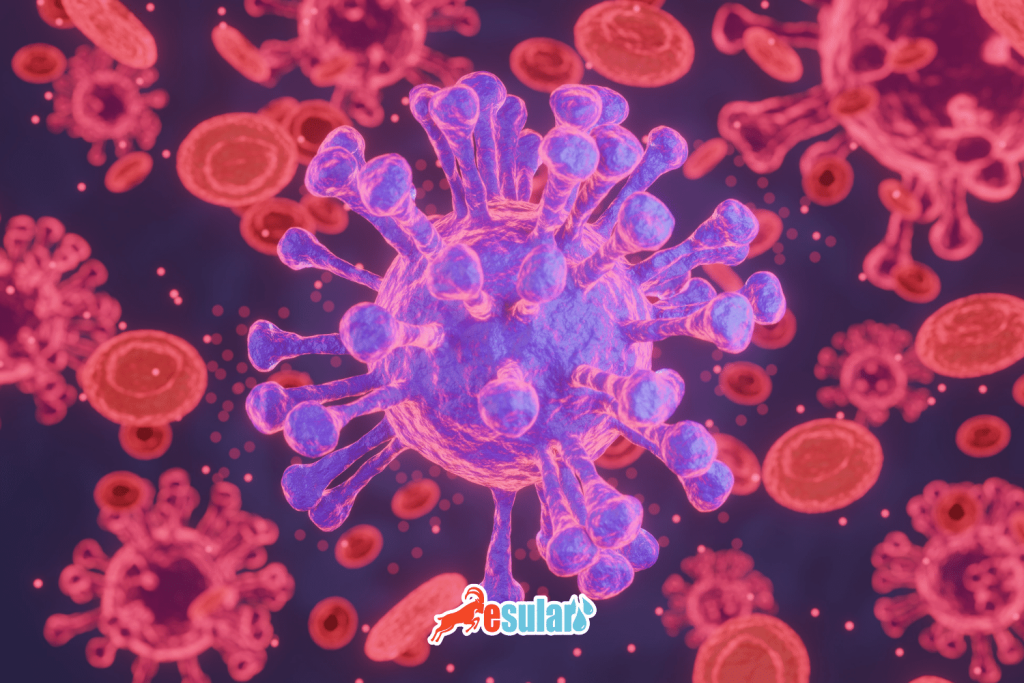
Ecthyma disease is an infection caused by the Parapoxvirus virus. The cause and transmission routes of the disease can be summarized as follows:

  • Direct Contact: Direct contact between infected animals can be an effective way in the transmission of the virus. Secretions or lesions containing the virus can be passed to healthy animals through contact.
  • Contaminated Materials: The virus can be transmitted through contaminated feed, water, equipment, or environmental materials. The virus's ability to survive in the environment for a long time allows these materials to be effective in spreading the disease.
  • Insect Vectors: In some cases, insect vectors, especially mosquitoes, may play a role in carrying the virus. These vectors can transport the virus taken from infected animals to healthy animals.
  • Weak Immune System: Animals with weak immune systems are more vulnerable to the virus, and the risk of catching the disease increases.

Although Ecthyma disease is generally seen in lambs and kids, it can also be encountered in other animal species. The disease is generally contagious and can spread rapidly. If untreated, it can lead to mouth sores, weight loss, and weakening of the immune system in animals. Therefore, appropriate measures should be taken under the supervision of a veterinarian to control the disease.

why does ecthyma-disease occur

What are the Symptoms of Ecthyma Disease?

Ecthyma disease usually begins to show symptoms within 4-8 days after transmission. Symptoms seen on the lips and feet include yellowish swellings, sores, and crusting. Sores on the lips can extend to around the nose and spread to the corners of the eyes. The crusts of dark-colored sores usually fall off on their own, but it is observed that animals have difficulty eating and drinking water during this process. Symptoms on the feet are similar; sores form slightly above the hoof and over time, animals have difficulty walking. In cases of malignant ecthyma disease, which is generally seen in lambs and old sheep, the disease can cause internal organ problems in addition to skin sores. When the immune system weakens, bacterial infections can occur in internal organs, leading to fever, edema formation, and lung inflammation. However, if the animal's general condition does not worsen, the disease usually heals on its own within 3-4 weeks.

ecthyma-disease

How is Ecthyma Disease Treated?

The treatment of animals caught with Ecthyma disease should be carried out under the supervision of a veterinarian. Treatment usually includes symptomatic and supportive measures. Recommended treatment methods for infected animals can be summarized as follows:

  • Based on a correct diagnosis made by a veterinarian, appropriate antiviral drugs can be applied to alleviate the symptoms of the disease and speed up recovery.
  • Hygienic cleaning of mouth sores and lesions is important. Antiseptic solutions or ointments can be used for wound care.
  • The nutrition of the animals should be organized considering the eating habits that become difficult during the disease. Soft and easy-to-chew foods can be preferred.
  • Water should be provided in accordance with the needs of infected animals, as they may experience drinking difficulties due to mouth lesions.
  • During the treatment process, the general health status of the animals should be checked regularly and actions should be taken according to veterinary recommendations.
  • As a factor affecting the course of Ecthyma disease, supportive measures aimed at strengthening the immune system can also be applied.

The treatment process may vary depending on the severity of the disease, the general health status of the animal, and other factors. Therefore, the recommendations of the veterinarian should be taken into account for an effective treatment plan.

What are the Methods for Protection from Ecthyma Disease?

Measures to be taken to protect animals from Ecthyma disease should be aimed at preventing transmission routes and strengthening the animals' immune systems. In this context, the following protection methods can be recommended regarding how animals should be cared for:

  • Under the control of a veterinarian, it is important to vaccinate animals against the ecthyma virus. These vaccines can reduce the severity of the disease and strengthen the immune system. 
  • Animal shelters should be kept clean and hygienic to prevent oral transmission. In addition, animals' water and feed containers should be cleaned at regular intervals.
  • Isolating infected animals from healthy animals is an effective measure to prevent the spread of the disease.
  • Since there is a risk of the disease spreading through insect vectors such as mosquitoes, it is important to keep these insects under control.
  • Ecthyma disease is a zoonosis that can also be transmitted to humans. Therefore, it is important for people working in animal care to understand these risks and take protective measures.

These protection methods can help keep Ecthyma disease under control and protect animal health.


Yorumlar

Daha Fazla İçerik İster misiniz?

Akıllı tarım hakkında en güncel içerikleri takip edin.