Tüm Yazılar
What is Environmental Pollution?
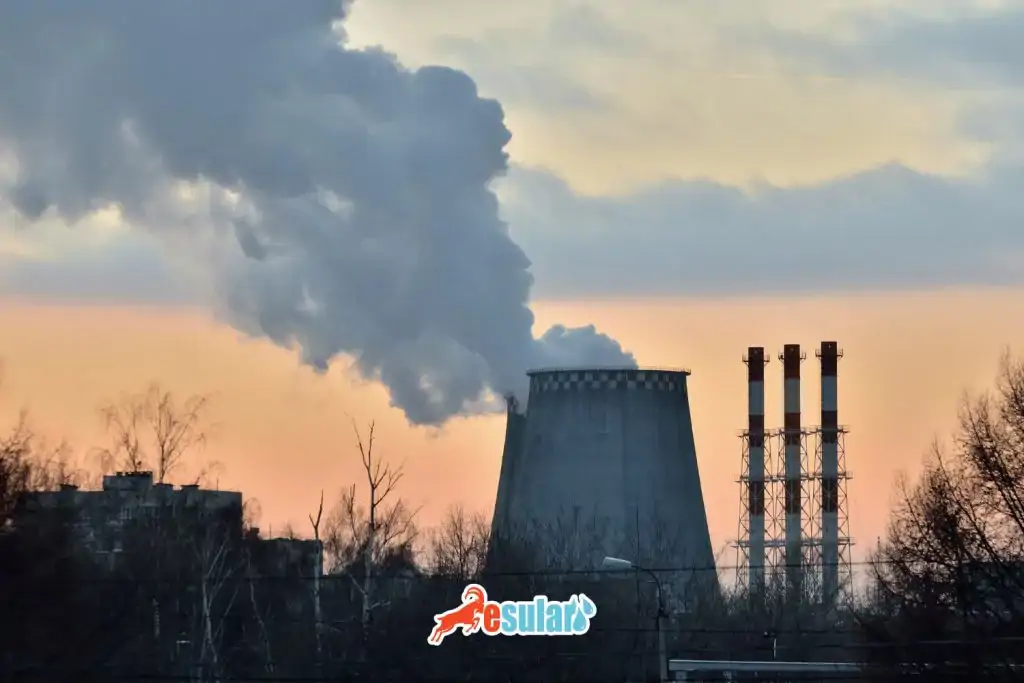
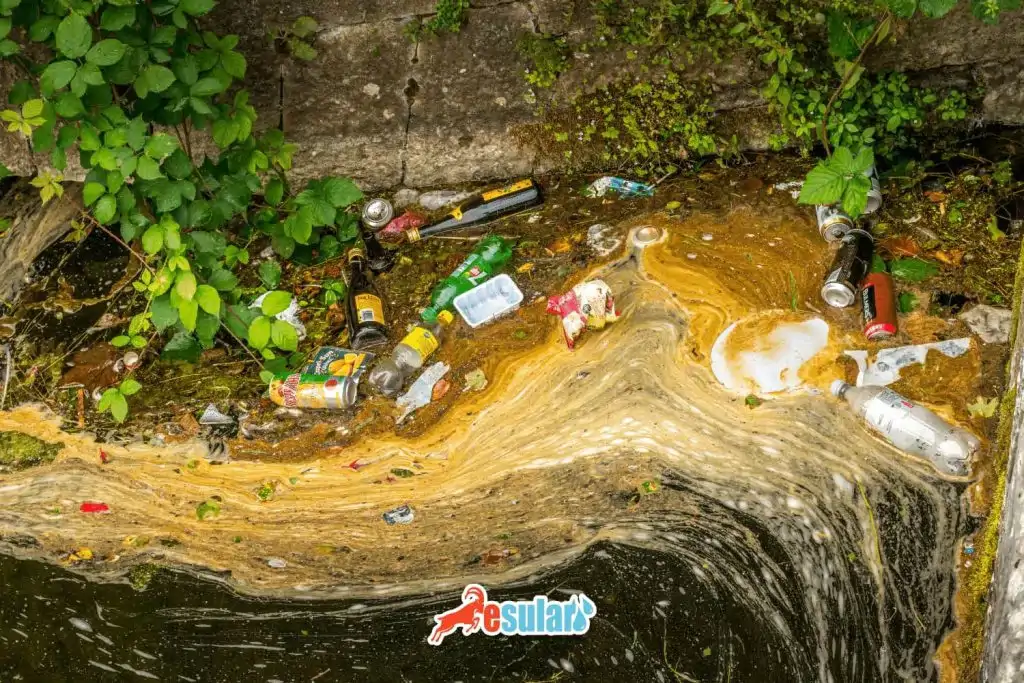
Environmental pollution is defined as the contamination of the natural environment by human impact or non-natural means and the negative effects of this pollution on the environment and life. Basically, environmental pollution occurs as a result of the accumulation and spread of various pollutants (waste materials, chemicals, radioactive substances, etc.) within water, air, soil, and the general environment. Environmental pollution can originate from industrial activities, agriculture, energy production, transportation, domestic waste, and other human activities. These pollutants can be released directly into water resources, the atmosphere, or the soil. For example, toxic gases emitted from factories can cause air pollution, the discharge of domestic waste into natural water sources without treatment can cause water pollution, and the excessive use of chemical fertilizers can cause soil pollution.
Why Does Environmental Pollution Occur?
Environmental pollution occurs as a result of various human activities or non-natural processes. These processes negatively affect the air, water, and soil of the environment and disrupt the natural balance. Factors causing environmental pollution include:
Industrial Emissions: Harmful gases and particles released into the atmosphere from industrial facilities such as factories, refineries, and energy production plants are one of the main sources of environmental pollution. Emissions from these facilities can cause atmospheric pollution and acid rain.
Vehicle Exhausts: Pollutants released from the exhausts of motor vehicles are one of the primary sources of air pollution, especially in large cities. Harmful gases such as carbon dioxide, carbon monoxide, nitrogen oxides, and particulate matter released by the combustion of fossil fuels lead to respiratory diseases and environmental problems.
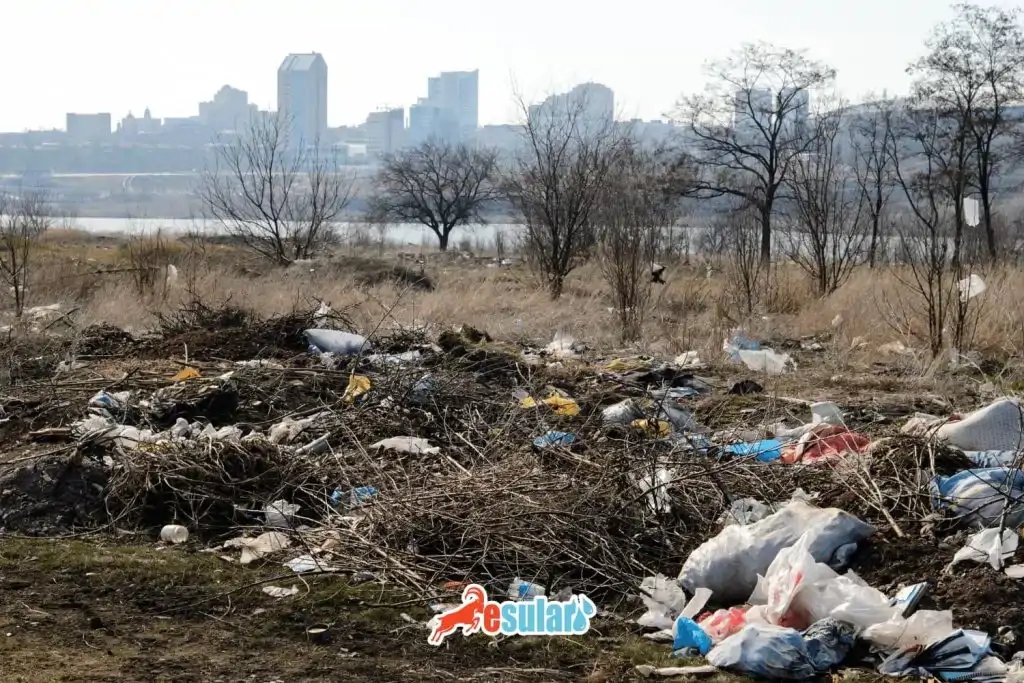
Domestic Waste: Improper management of waste from homes causes wastewater leaking from sewage systems to contaminate water resources and lead to environmental pollution. In addition, irregular garbage storage areas can lead to soil pollution and environmental degradation.
Agricultural Activities: Excessive use of chemical substances such as agricultural pesticides, fertilizers, and irrigation water causes the pollution of agricultural areas and water resources. The leaching of these chemicals into the soil and water leads to a decrease in soil quality and the disruption of aquatic ecosystems.
Industrial Waste: Waste originating from industrial facilities can cause the release of hazardous chemicals, heavy metals, and other harmful substances into the environment. The uncontrolled discharge or lack of processing of these wastes leads to increased environmental pollution and damage to natural life.
- Other Sources: Factors such as mining activities, oil spills, radioactive waste, construction activities, waste storage areas, and natural disasters can also contribute to environmental pollution.
In general, environmental pollution arises as a result of human activities and negatively affects natural life, ecosystems, and human health. Therefore, effective policies, technologies, and individual efforts are required to prevent and reduce environmental pollution.
What are the Types of Environmental Pollution?
Types of environmental pollution are generally classified according to the types of pollution affecting different environments. The main types of environmental pollution are as follows:
Air Pollution: Harmful gases, particles, and chemical substances released into the atmosphere from sources such as industrial facilities, vehicle exhausts, agricultural activities, and the combustion of domestic fuels cause air pollution. This situation can lead to serious effects on respiratory diseases, lung problems, and human health in general.
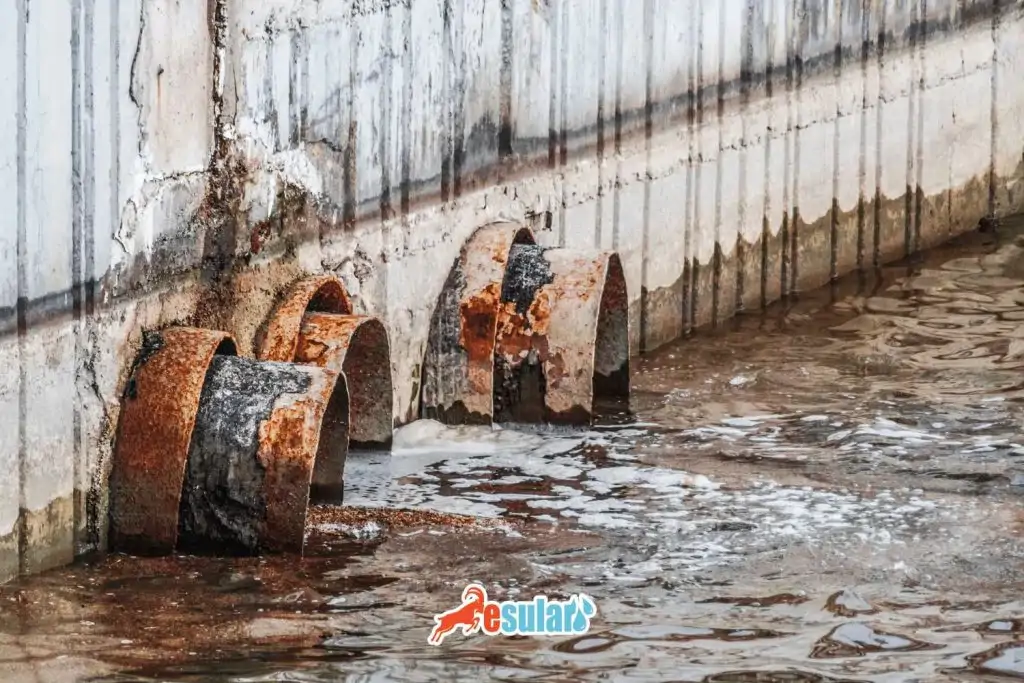
Water Pollution: Water pollution, which occurs as a result of domestic waste, industrial waste, agricultural pesticides, and fertilizers mixing into water resources, negatively affects drinking water sources and aquatic ecosystems. Water pollution can cause the death of aquatic life forms, make water unusable, and create water sources that threaten human health.
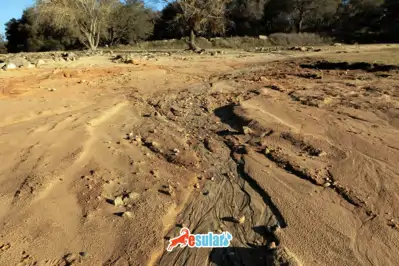
Soil Pollution: Soil pollution, which occurs as a result of chemicals from various sources such as agricultural pesticides, industrial waste, oil spills, and mining activities mixing into the soil, reduces soil fertility, affects vegetation, and disrupts the ecosystem balance.
Noise Pollution: Excessive noise originating from sources such as loud industrial facilities, traffic, airports, and construction activities negatively affects human health, quality of life, and sleep patterns.
Light Pollution: Light pollution, which occurs as a result of excessive and unnecessary light emission for lighting purposes, hinders observation and astronomy studies while disrupting the ecosystems and biological rhythms of living beings.
Electromagnetic Pollution: Electromagnetic fields emitted from sources such as electronic devices, wireless communication systems, and power lines can cause electromagnetic pollution and may have uncertain effects on human health.
Radioactive Pollution: Radioactive pollution originating from sources such as nuclear power plants, nuclear waste storage facilities, and industrial facilities carrying radioactive materials can seriously affect living organisms and human health in the environment.
These various types of pollution disrupt the natural balance of the environment, damage ecosystems, and lead to negative effects on human health. Therefore, various measures must be taken to prevent and reduce environmental pollution.
How to Prevent Environmental Pollution?
A series of preventive measures can be taken to prevent environmental pollution. Here are some measures that can help reduce environmental pollution:
Clean Energy Use: Turning to clean energy sources, especially renewable energy sources (solar, wind, hydroelectric, etc.) instead of fossil fuels can reduce air pollution and contribute to the fight against climate change.
Waste Management: Correct collection of waste, encouraging recycling, and safe disposal of hazardous waste help reduce environmental pollution.
Clean Production Techniques: The use of clean production techniques in industrial facilities helps reduce waste and pollutants and minimizes environmental impacts.
Environmentally Friendly Transportation: Promoting public transportation, using fuel-efficient vehicles, and encouraging environmentally friendly transportation methods such as bicycles reduce air pollution.
Water and Soil Protection: Controlled use of agricultural pesticides and chemical fertilizers, adoption of agricultural practices that prevent erosion, and protection of water resources reduce water and soil pollution.
Protection of Green Areas: Protection of forests, increasing urban green areas, and restoration of ecosystems reduce environmental pollution and protect biodiversity.
Environmental Sensitivity and Education: Organizing education and awareness programs to increase the environmental consciousness and sensitivity of society plays an important role in reducing environmental pollution.
Legal Regulations and Inspections: Strict implementation of environmental protection laws is important to prevent environmental pollution. Monitoring and inspecting pollutant sources ensures the effective implementation of legal regulations.
These measures are important steps for reducing environmental pollution and protecting natural life. Their implementation with wide social participation and determination is vital in reducing the effects of environmental pollution and leaving a cleaner environment for future generations.
Kategoriler
Etiketler