Before answering the question of what fertilizer dosing is, it is necessary to have detailed information about fertilization; you can review our fertilization article to get detailed information about fertilization.
Fertilizer dosing is the process of controlling and adjusting the amount and frequency of fertilizer given to plants. Dosing ensures that plants receive the nutrients they need in the right amounts and at the right time. This promotes healthy growth of plants and increases yield while also helping to prevent environmental pollution and waste of resources.
Importance of Fertilizer Dosing
The importance of fertilizer dosing; fertilizer dosing ensures that you apply fertilizer in the correct amounts to provide the nutrients plants need. However, incorrect dosing can also lead to soil pollution, waste of nutrients, and environmental problems. Below are some points explaining the importance of fertilizer dosing:
Yield Increase: Correct fertilizer dosing increases yield by meeting the nutrients plants need.
Nutrient Balance: Dosing provides plants with nutrients in the right amounts and prevents nutrient deficiencies. Balanced fertilization promotes healthy growth and development of plants.
Soil Health: Correct fertilizer dosing protects soil health. Excessive use of fertilizer can increase soil salinity and deteriorate soil structure.
Environmental Protection: Use of well-dosed fertilizer reduces environmental pollution. Excessive fertilizer use can pollute water resources and damage freshwater sources.
Economic Benefits: Correct fertilizer dosing provides cost savings to farmers. Excessive fertilizer use increases costs and reduces profitability.
Food Security: With correct dosing, more agricultural products are obtained and food products can be offered to consumers at more affordable prices. Food security contributes to the provision of sufficient and healthy food products.
Sustainability: Fertilizer dosing supports the long-term sustainability of agriculture. Correct dosing contributes to the protection of soil, water, and environmental resources.
Reduction of Harmful Effects: Incorrect fertilizer dosing can cause the proliferation of harmful organisms. With correct dosing, plants become healthier and more resistant to pests.
Product Quality: Correct dosing can increase the quality of agricultural products. Higher quality products can be sold at higher prices.
How is Fertilizer Dosing Done?
How is fertilizer dosing done? Fertilizer dosing can vary according to the needs of the plants, soil analysis results, and growing conditions.
Steps to be considered when performing fertilizer dosing:
Soil Analysis: First, the soil where the grown plants are located should be analyzed. This analysis helps determine which nutrients are needed and in what amounts.
Fertilizer Selection According to Plant Type: Different plant species have different nutrient needs. A fertilizer suitable for the plant species should be selected.
Determining the Dosage: Soil analysis results are consulted to determine the fertilizer dosage to be applied to the plants.
Applying the Dosage: When applying fertilizer to plants, it is applied by spreading it on the soil surface or carefully distributing it around the plants.
Regular Control and Monitoring: The condition of the plants is regularly checked and the fertilizer dosage is adjusted when necessary.
esular’s solutions regarding fertilizer dosing
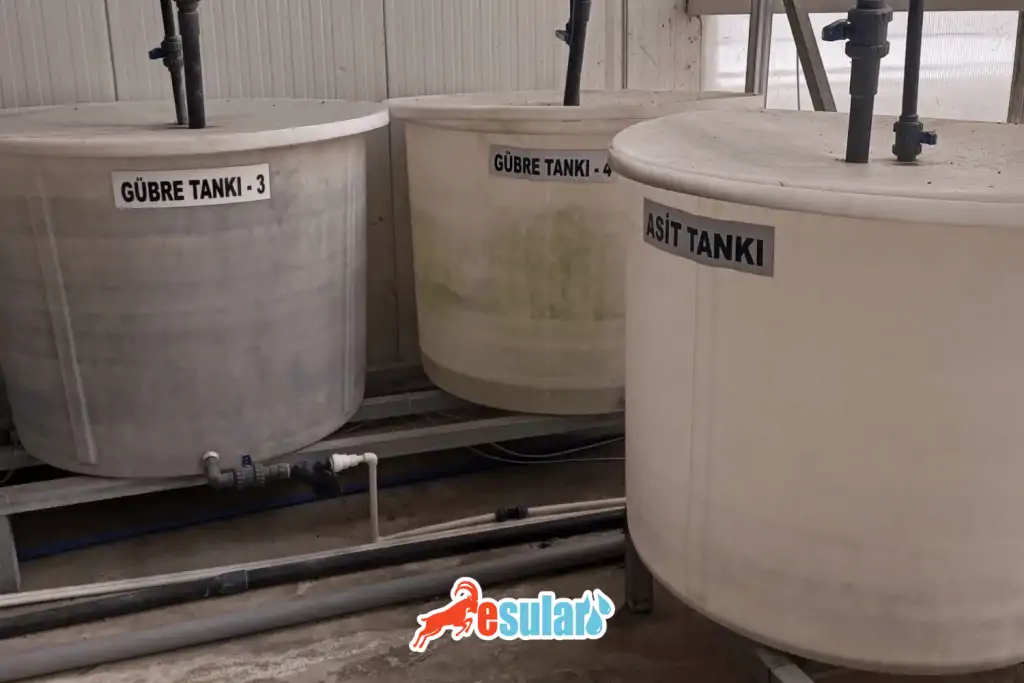
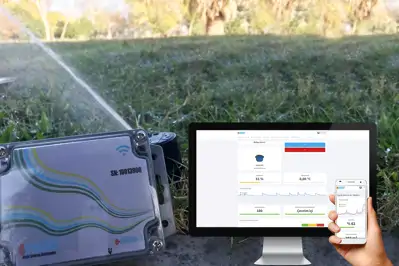
Fertilizer dosing can vary depending on the type of plants, growing conditions, and soil analysis results. Therefore, determining the best fertilizer dosage for a specific plant or soil may include soil analysis results, weather conditions, plant growth status, soil moisture levels, and other important information. This data should generally be collected by obtaining more accurate data using sensors or other automation technologies.
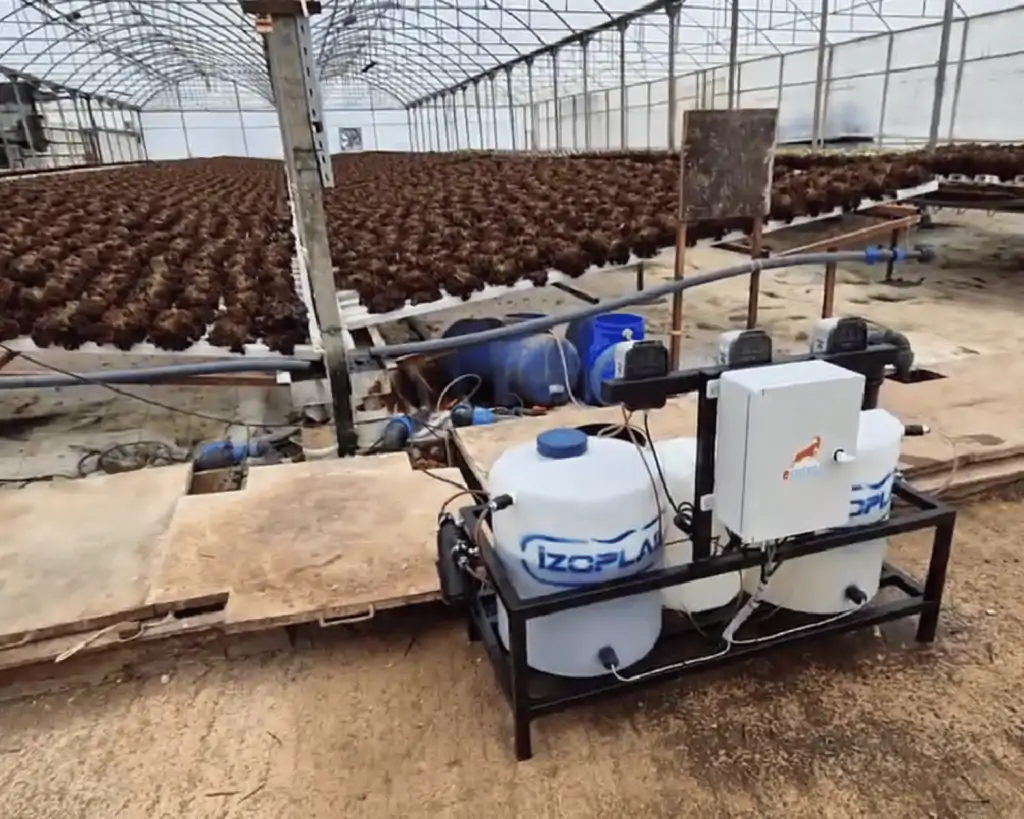
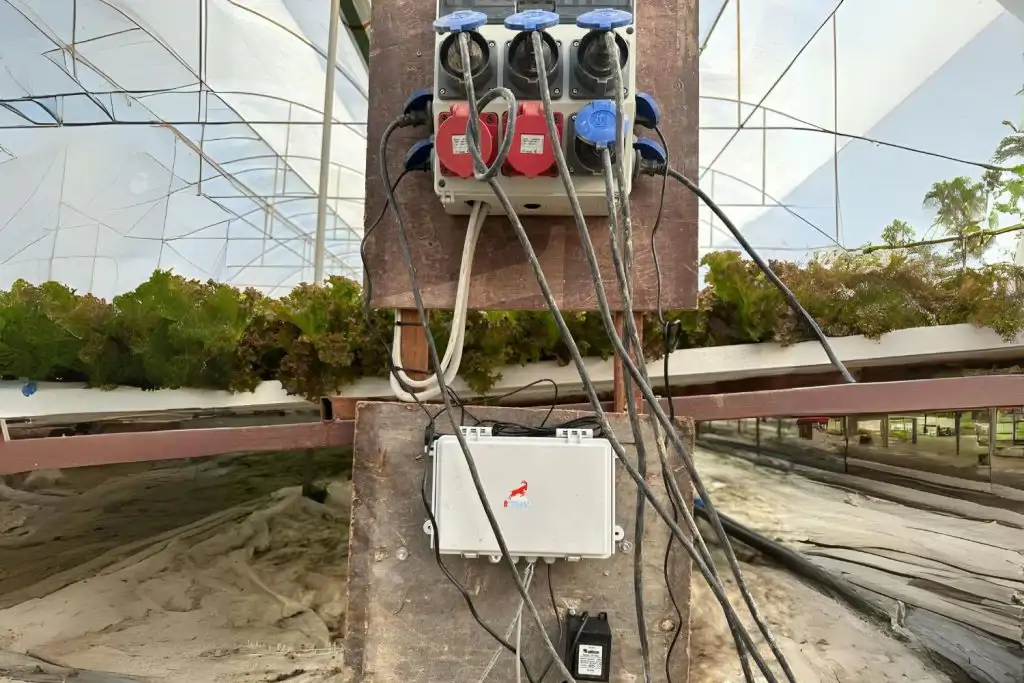
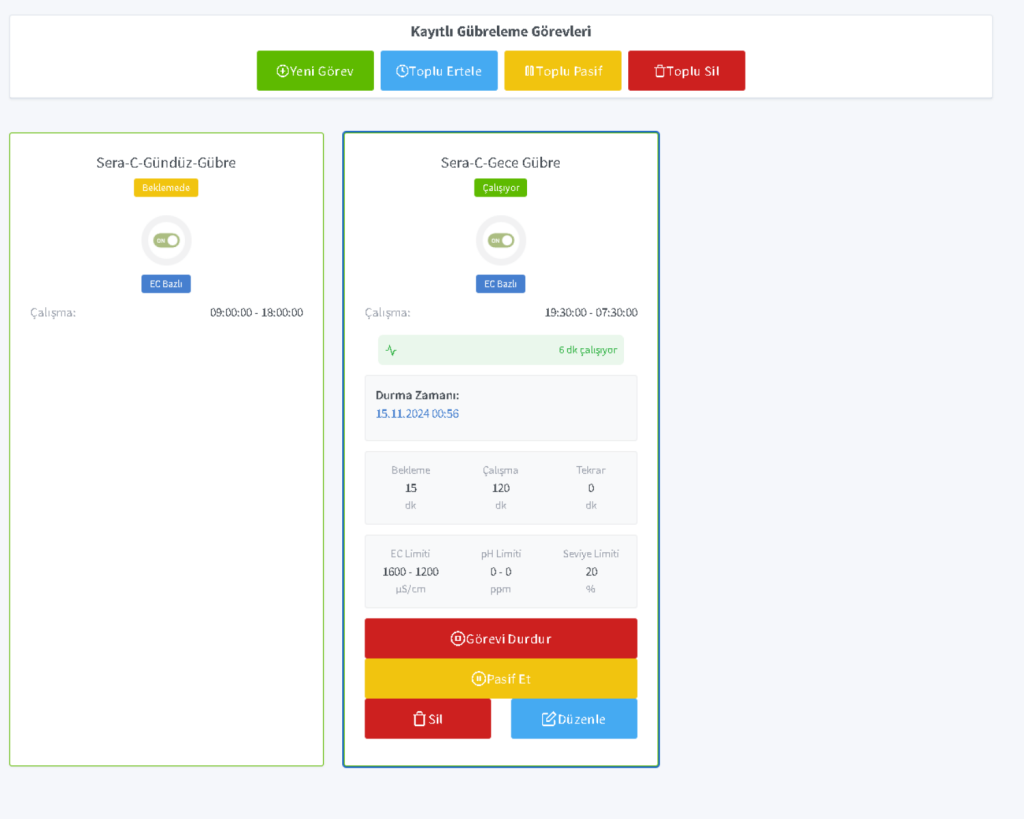
Digital fertilizer dosing allows agricultural machinery to operate automatically and be monitored remotely. This provides labor savings for farmers and makes fertilizer application more efficient.
As esular, by offering modern and sustainable fertilization solutions using IoT and artificial intelligence technologies, it provides positive contributions to the agricultural sector and the environment. In this way, while reducing the costs and workload of agricultural producers, it helps protect natural resources and ensure the balance of ecosystems.