Tüm Yazılar

What is Granular Urea?

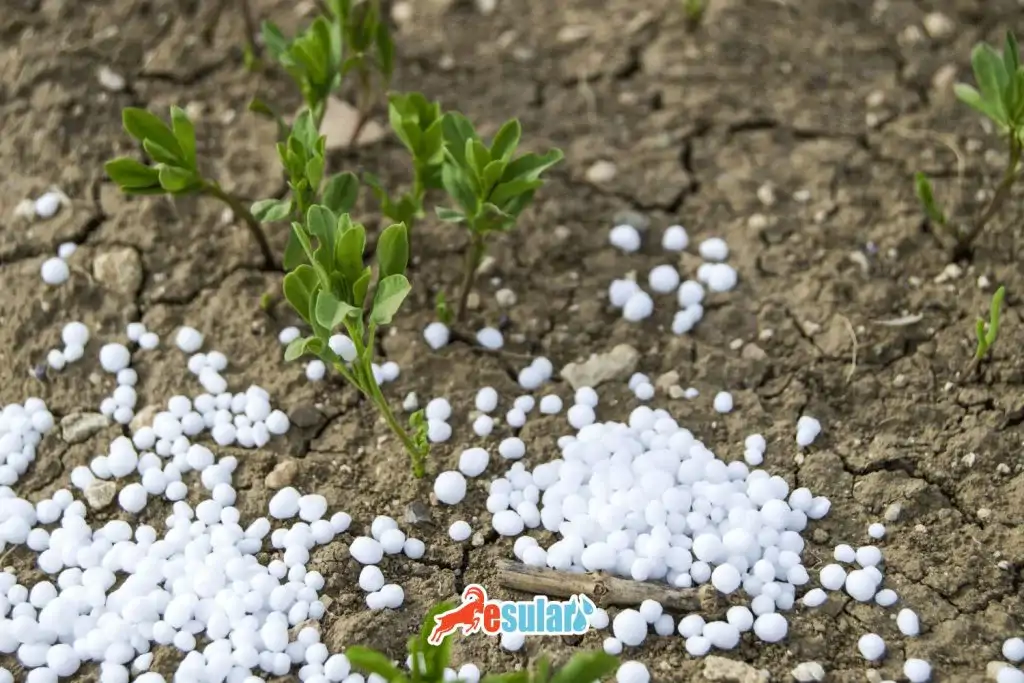
Granular urea (CO(NH2)2-46%N) is a type of nitrogenous fertilizer and is used to meet the nitrogen needs of plants. This fertilizer form refers to a granular or grain-like form of the urea molecule. Nitrogen is an essential nutrient for plants and plays a vital role in their growth, development, and productivity. It is widely used in agriculture, horticulture, and landscaping applications to provide this important nutrient to plants. Granular urea is generally produced by converting urea molecules into small particles for use in soil applications. This form allows for easier transport, storage, and application of the fertilizer. Additionally, the granular form allows for a more controlled release of nitrogen to the plants, which helps plants use the nitrogen they need more efficiently.

What Does Granular Urea Do?

This fertilizer is an effective source of nitrogen, which is the primary nutrient for plants. It ensures healthy growth by forming important components of plants such as proteins, enzymes, and chlorophyll. Regular application of granular urea helps plants grow healthily and rapidly. This ensures higher productivity levels in agricultural areas. It is also known for its effect on increasing soil fertility. When applied to the soil, it improves the soil structure and supports the optimum uptake of plant nutrients. This is an important advantage for maintaining and increasing soil fertility.

Practical and easy to use, this fertilizer simplifies agricultural processes. The small granular structure provides advantages in terms of storage, transport, and application of the fertilizer. Finally, it has positive effects on plant health and durability. It supports plants in having a strong root system and helps them become more resistant to environmental stresses. This contributes to the cultivation of healthier and more durable plants. Granular urea, with these benefits, stands out as an important fertilizer choice in the agricultural sector.

granular urea

In Which Plants is Granular Urea Used?

The neutral pH value of granular urea allows it to be used in almost all plants and different soil types. Farmers involved in grain, fruit, or vegetable cultivation can easily prefer granular urea. It is generally recommended for plants experiencing nitrogen deficiency. It shows effective results especially in plants such as tobacco and corn. It is an ideal fertilizer for plants that develop slowly due to nitrogen deficiency. Additionally, being usable at various stages of development periods makes granular urea a fertilizer preferred by farmers.

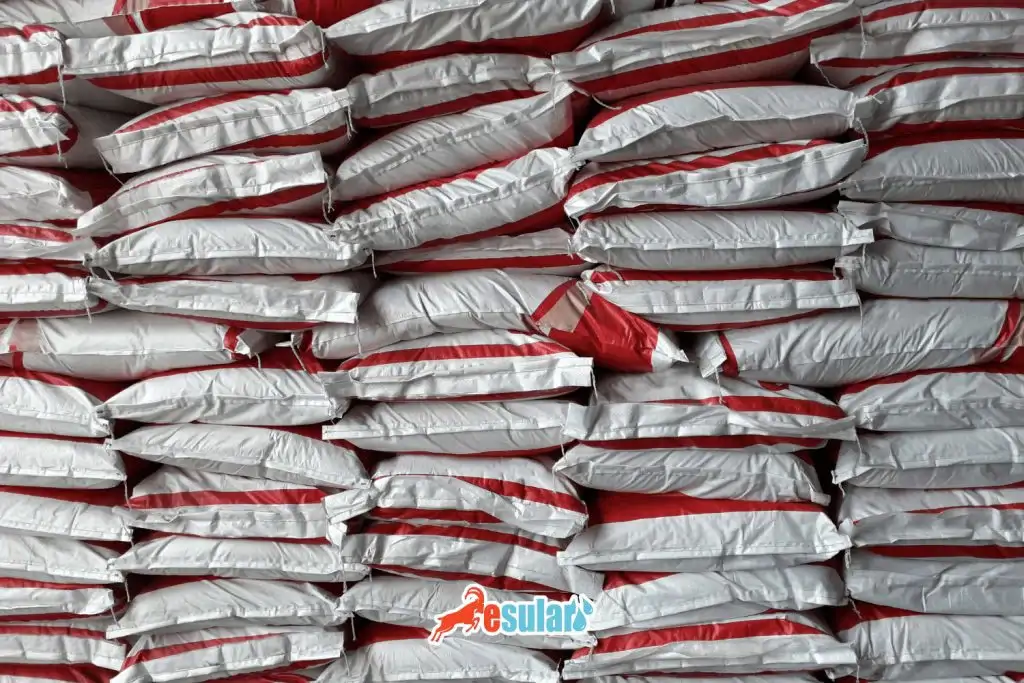
granular-urea-fertilizer

How to Use Granular Urea Fertilizer?

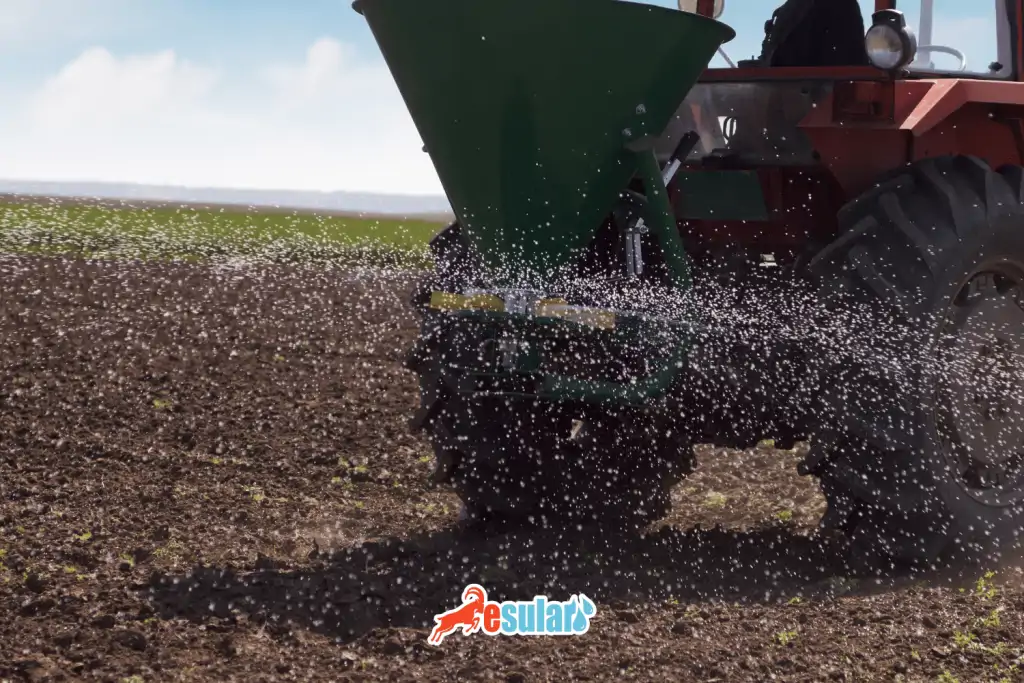
The first step for using this fertilizer is to determine the correct dosage. This will help you understand how much fertilizer to use for which plants and according to soil conditions. Generally, recommended dosage information is available on the product packaging. Preparing the soil correctly is also important. Tilling and leveling the soil can help the fertilizer distribute more effectively and be used by the plants. The application time depends on the plant's growth stage and needs. It can be used before seed sowing or after the plants have grown. Irrigation after the fertilizer is applied increases the interaction of the fertilizer with the soil. It is important to pay attention to environmental factors during application. Excessive rainfall or lack of irrigation can affect the effectiveness of the fertilizer. Taking safety precautions should also not be forgotten. Using protective equipment such as masks and gloves is important for a safe application. By following these steps, you can correctly perform granular urea application and contribute to the healthy growth of your plants.

how to apply granular urea

What is the Difference Between Prilled Urea and Granular Urea?

Prilled urea and granular urea are both types of fertilizers used to provide nitrogen to plants. However, there are some differences between these two fertilizers.

  • In this fertilizer, the grains are generally in irregular shapes. Prilled urea, on the other hand, has a finer granular structure and is generally more regular and round.
  • Prilled urea has a faster-dissolving structure compared to granular urea. It provides nitrogen to plants by dissolving more quickly after being applied to the soil. This feature can contribute to the faster feeding of plants.
  • Granular urea is generally applied by mixing it with the soil or by broadcasting it on the soil surface. Prilled urea, however, can generally be applied to plants by dissolving it in irrigation water or by spraying.
  • While granular urea is generally used in large areas for field and garden crops, prilled urea may be preferred more for greenhouses or special gardens, for foliar fertilization.
  • Granular urea is generally a more common and economical type of fertilizer. Prilled urea, on the other hand, is generally a more specialized and technological product and its price may be higher.

Both types of fertilizers provide nitrogen to support plant growth, but they have different characteristics that can be preferred depending on the purpose of use, plant type, and growth conditions.

Kategoriler

Yorumlar

Daha Fazla İçerik İster misiniz?

Akıllı tarım hakkında en güncel içerikleri takip edin.