Tüm Yazılar

What is Intensive Farming?

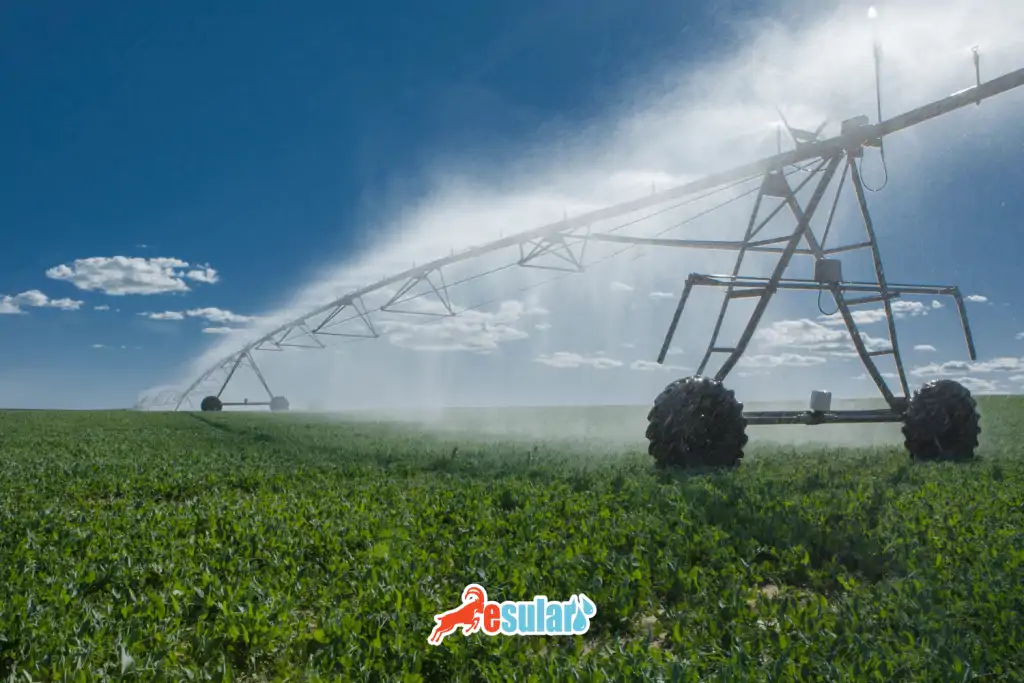
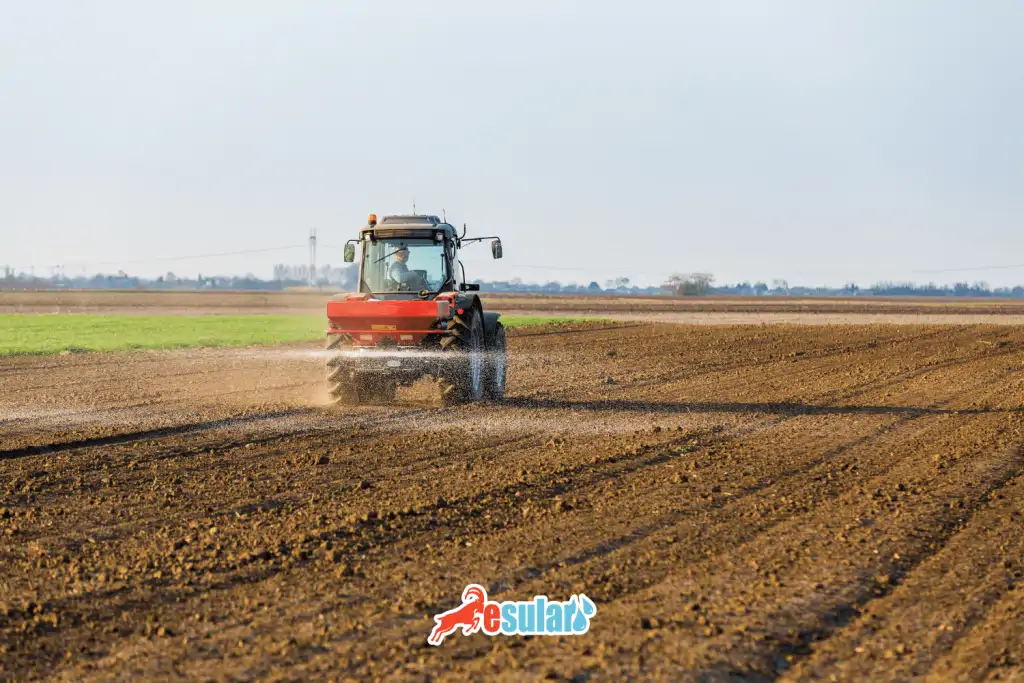
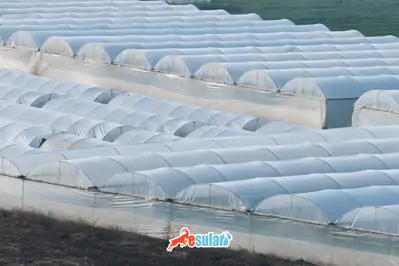
Intensive farming is a method of farming intensively in order to obtain high productivity using limited land and resources. This method is carried out using advanced agricultural techniques and technologies. In intensive farming, agricultural lands are used very efficiently, plant density is increased, and water and nutrients required for the growth and development of products are regularly provided. For this purpose, irrigation and fertilization processes are carried out frequently. Also, in intensive farming, chemical pesticides can be used to combat harmful insects, diseases, and weeds. However, the use of chemical pesticides can carry environmental and health risks and therefore should be applied carefully. Mechanization is also an important feature of intensive farming. Tractors, machines, and other agricultural equipment increase productivity by reducing labor and accelerating business processes. In this way, more products can be obtained with less effort. 

What are the Benefits of Intensive Farming?

Intensive farming is one of the modern agricultural methods that provides high productivity. This agricultural practice offers various advantages:

  • Intensive farming makes it possible to obtain high amounts of products on limited agricultural lands. This helps to meet the increasing food demand along with the population growth by increasing food production.
  • Thanks to intensive care and management, intensive farming generally provides higher product quality. Better irrigation, fertilization, and pest control practices ensure that plants grow healthier and are exposed to fewer diseases.
  • The widespread use of mechanization reduces labor and speeds up work processes. This ensures a more efficient management of agricultural enterprises and saves farmers time and effort.
  • High product yield and quality, better marketing opportunities, and lower labor costs enable farmers to obtain more profit.

For these reasons, intensive farming methods can provide significant benefits such as increasing food security, increasing income, and increasing agricultural productivity. However, the environmental impacts and potential effects on sustainability of these farming methods should also be considered.

intansif tarim ne demk

What are the Disadvantages of Intensive Farming?

Some disadvantages encountered in the use of intensive farming are as follows:

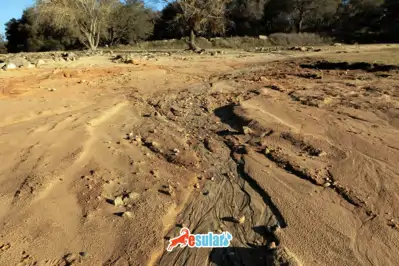
  • Long-term intensive farming practices can cause problems such as soil erosion, salinization, and acidification.

  • Intensive farming generally consumes high amounts of water and requires irrigation. This can lower groundwater levels and reduce water resources. In addition, chemical fertilizers and pesticides used can mix into irrigation water and pollute water resources.

  • Intensive farming practices can lead to the destruction of natural habitats and a reduction in biological diversity.
  • Intensive farming involves the intensive use of chemical pesticides to control pests. This can lead to soil, water, and air pollution and can negatively affect human health and ecosystems.
  • The use of pesticides and chemical fertilizers can cause negative effects on human health. Chemical residues can pass to humans through water and food and cause health problems.

  • Intensive farming practices can threaten the sustainable use of natural resources. Problems such as overuse, soil erosion, depletion of water resources, and reduction in biological diversity can endanger the sustainability of agriculture for future generations.

These disadvantages should be considered and the practice of agriculture with more sustainable and environmentally friendly methods should be encouraged.

How is Intensive Farming Done?

In this farming method, modern agricultural techniques are used. In intensive farming, agricultural lands are processed intensively and plant density is increased. Plants are regularly irrigated and fertilized to obtain high yields. In addition, efforts are made to protect the health of plants by using chemical pesticides against pests. Mechanization is widely used to reduce labor and increase work efficiency. Intensive farming is generally preferred to increase food production and meet demand. However, this farming method can also lead to some environmental and health problems. Therefore, intensive farming practices should be managed in a balanced way to be compatible with sustainability principles.

instansif tarim nasil yapilir

What are the Differences Between Intensive and Extensive Farming?

Extensive farming and intensive farming represent the fundamental differences in agricultural practices. Extensive farming is generally based on large land use and has low production intensity. In this type of farming, manual labor and animal power are common, but soil productivity is generally low. Intensive farming, on the other hand, provides high production by using small pieces of land more intensively. Modern agricultural techniques, mechanization, and the use of technology characterize this type of farming. Since necessary plant nutrients and fertilizers are used, soil productivity is generally high. However, environmental impacts and energy use are higher in this farming method. Both types of farming have advantages and challenges, and the preferred farming method may vary depending on regional conditions, economic factors, and sustainability goals. For more information about extensive farming, you can check out our article at https://esular.com/ekstansif-tarim-nedir.

Yorumlar

Daha Fazla İçerik İster misiniz?

Akıllı tarım hakkında en güncel içerikleri takip edin.