
Water, one of the most critical components of modern agriculture, does not only quench the thirst of plants but also serves as a carrier that directly affects soil structure, plant nutrient uptake, and final product quality. Irrigation analysis is the process of determining the properties of water used in agricultural areas through scientific methods and transforming this data into agricultural success. As Esular, while managing every drop of water with our smart irrigation technologies, we know that the quality of this water is at least as important as its quantity. Irrigation analysis covers a wide range from minerals to microorganisms within the water, offering farmers a sustainable and efficient production model. In this comprehensive guide, we will examine in detail what irrigation analysis is, why it is so critical, how it is performed, and Esular's role in this process.
Global climate change and increasing pressure on water resources further increase the value of every drop of water. Incorrect water use not only leads to the waste of water resources but also decreases soil productivity and adversely affects plant development. Therefore, understanding and managing the quality of irrigation water has become an indispensable part of modern agriculture. Irrigation analysis allows farmers to determine the right irrigation strategies, optimize fertilization programs, and protect soil health in the long term. In this way, both environmental sustainability is ensured and agricultural profitability is increased.
What is Irrigation Analysis? Basic Definition and Scope
Irrigation analysis is the examination of the physical, chemical, and biological properties of irrigation water used in agricultural production in a laboratory environment or through field kits. This process allows for the prediction of potential effects of water on plant growth, changes it may cause in soil structure, and technical problems it may create in irrigation systems (drip irrigation nozzles, pivot systems, etc.). These analyses provide farmers and agricultural experts with the opportunity to make decisions based on scientific data regarding the most efficient use of water resources.
An irrigation analysis is not limited to just measuring the amount of salt in the water. This analysis covers the water's pH value, electrical conductivity (EC), sodium adsorption ratio (SAR), heavy metal content, and even the beneficial or harmful bacteria present in the water. For agricultural experts and farmers, this analysis serves as a roadmap at every stage, from how much fertilizer will be applied to the field to which irrigation method will be selected. For example, water with high pH can make it difficult for some plant nutrients to be taken from the soil, while a high sodium ratio can disrupt the structure of the soil and make it impermeable. These detailed examinations help minimize yield loss and costs by detecting potential problems in advance.
Components of Irrigation Water: What and Why Do We Analyze?
There are three main categories that determine the quality of irrigation water. Each category has different effects on plant physiology and soil chemistry. Understanding these components is critical for evaluating the suitability of water for agricultural use and its potential risks.
1. Chemical Analyses: The Secret Codes of Water
Chemical analysis is the most comprehensive and critical part of irrigation water analysis. The amount of ions and compounds dissolved in the water determines whether the plant can take nutrients from the soil and how it will affect the chemical balance of the soil.
- pH Value: Indicates the degree of acidity or alkalinity of the water. Ideal irrigation water pH is generally between 6.0-7.5. High pH can cause many plant nutrients (such as iron, zinc, manganese) to be bound in the soil and become unavailable to the plant. Low pH can increase the solubility of toxic elements (aluminum) in the soil.
- Electrical Conductivity (EC): Shows the total salinity of the water. A high EC value means that the amount of dissolved salt in the water is high and can lead to osmotic stress in plants, making water uptake difficult and reducing yield. The EC value is of critical importance, especially for sensitive plants.
- Sodium Adsorption Ratio (SAR): Expresses the ratio of the sodium content of the water to its calcium and magnesium content. A high SAR value causes sodium to bind to soil particles, disrupting the physical structure of the soil, making it impermeable, and leading to aeration problems. The SAR value is calculated with the following formula:
- Calcium (Ca2+) and Magnesium (Mg2+): These cations improve soil structure and are important for plant nutrition. However, excessive amounts can prevent the uptake of other nutrients (especially potassium) or lead to lime accumulation in drip irrigation systems.
- Bicarbonate (HCO3-) and Carbonate (CO32-): These are anions that affect the pH of the water and increase lime accumulation. High bicarbonate can cause clogging in irrigation systems and an increase in soil pH.
- Chloride (Cl-): Although it is a necessary micronutrient for plants, high concentrations can cause toxicity and leaf burn in plants. The chloride level is important for plants sensitive to salinity.
- Sulfate (SO42-): It is an important source of sulfur for plant nutrition. However, excessive sulfate can affect the uptake of other nutrients (such as molybdenum) in the soil.
- Boron (B): Although it is an essential micronutrient for plant development, it is beneficial within a very narrow range. In high concentrations, boron can be highly toxic to plants and lead to yield losses.
- Heavy Metals (Cd, Pb, Ni, Cr, etc.): These are elements strictly undesirable in agricultural irrigation. In high concentrations, they can harm plants and consequently human health. They can be found in industrial waste or contaminated source waters.
2. Physical Analyses: The Mechanical Structure of Water
Physical analyses focus on the mechanical properties of water. These analyses are vital, especially for extending the life of modern irrigation systems (drip and sprinkler), preventing clogging, and evaluating the overall quality of the water.
- Suspended Solids (TSS): The total amount of particles such as sand, clay, silt, and organic matter present in the water in an undissolved state. High TSS leads to clogging, especially in drip irrigation pipes and nozzles, reducing system efficiency and increasing maintenance costs.
- Turbidity: Shows the degree of transparency of the water and is directly related to suspended solids. High turbidity reduces the light permeability of the water and can trigger algae growth on the water surface.
- Sedimentation Rate: Shows how fast the particles in the water settle within a certain period. This provides information about particle sizes and is used in the design of filtration systems.
- Color and Odor: Generally visual and sensory indicators. Abnormal color or odor may indicate that the water contains organic pollution or chemical contamination.
- Temperature: The temperature of irrigation water affects nutrient uptake by plant roots and microbial activity in the soil. Very cold or very hot water can cause shock in plants.
3. Biological Analyses: Invisible Threats and Benefits
This is the detection of living organisms in irrigation water. This analysis is mandatory, especially for irrigation waters taken from surface waters (streams, lakes). Biological pollution can pose a risk to both plant health and irrigation system performance.
- Bacterial Load (Coliform, E.coli): An indicator of fecal contamination and poses a risk to human health. It can lead to the contamination of agricultural products. Additionally, it can cause clogging by forming biofilm in pipes.
- Presence of Algae and Moss: Algae and moss growth is common, especially in open water sources and storage tanks. These organisms can clog irrigation systems, change the pH of the water, and compete with plants for nutrients.
- Fungal and Viral Pathogens: The presence of pathogens that can cause waterborne plant diseases poses a serious threat, especially in greenhouse and hydroponic systems.
- Protozoa: Some protozoa can carry risks for human and animal health and can spread through irrigation.
How is Irrigation Analysis Performed? Application Steps
The accuracy of the analysis directly depends on how correctly the sample is taken. An incorrectly taken water sample can cause the entire season to be planned incorrectly or wrong decisions to be made. Therefore, every step from sample collection to the laboratory process and interpretation of results must be followed meticulously.
Step 1: Correct Sample Collection – The Foundation of Analysis
The following rules should be considered when taking samples:
- Container Selection: A clean, sterile, preferably plastic bottle should be used for the sample. Bottles specifically prepared, washed, and rinsed for chemical analyses should be preferred. For biological analyses, sterile glass bottles or special containers should be used.
- Sampling Point: It is recommended to take samples from different points of the water source (well, stream, pond, storage tank) and the irrigation system (drip, sprinkler). When taking a sample from well water, the pump should be run for at least 15-20 minutes to drain the stagnant water and wait for fresh water to arrive. When taking from surface waters, samples should be taken by avoiding the middle, surface, and bottom of the water.
- Timing: Sampling should be done considering periods of intensive agricultural activity and seasonal changes. For example, water quality may differ during dry periods or after heavy rainfall. If fertilization or chemical application has been performed, sampling should be done after a sufficient period has passed following these processes.
- Quantity: The amount of water sample requested by the laboratory should be taken (usually 0.5 - 1 liter). Different amounts of samples may be required for different analyses.
- Labeling: Each sample taken should be labeled with detailed information such as the sampling date, time, location (GPS coordinates), type of water source (well, stream, network), type of plant irrigated, and the name of the person who took the sample. This information is vital for the correct interpretation of the results.
- Storage and Transport: Samples should be delivered to the laboratory as soon as possible after being taken (preferably within 24 hours). During this period, samples should be kept in a cold chain (+4°C) and in a dark environment to minimize chemical and biological changes.
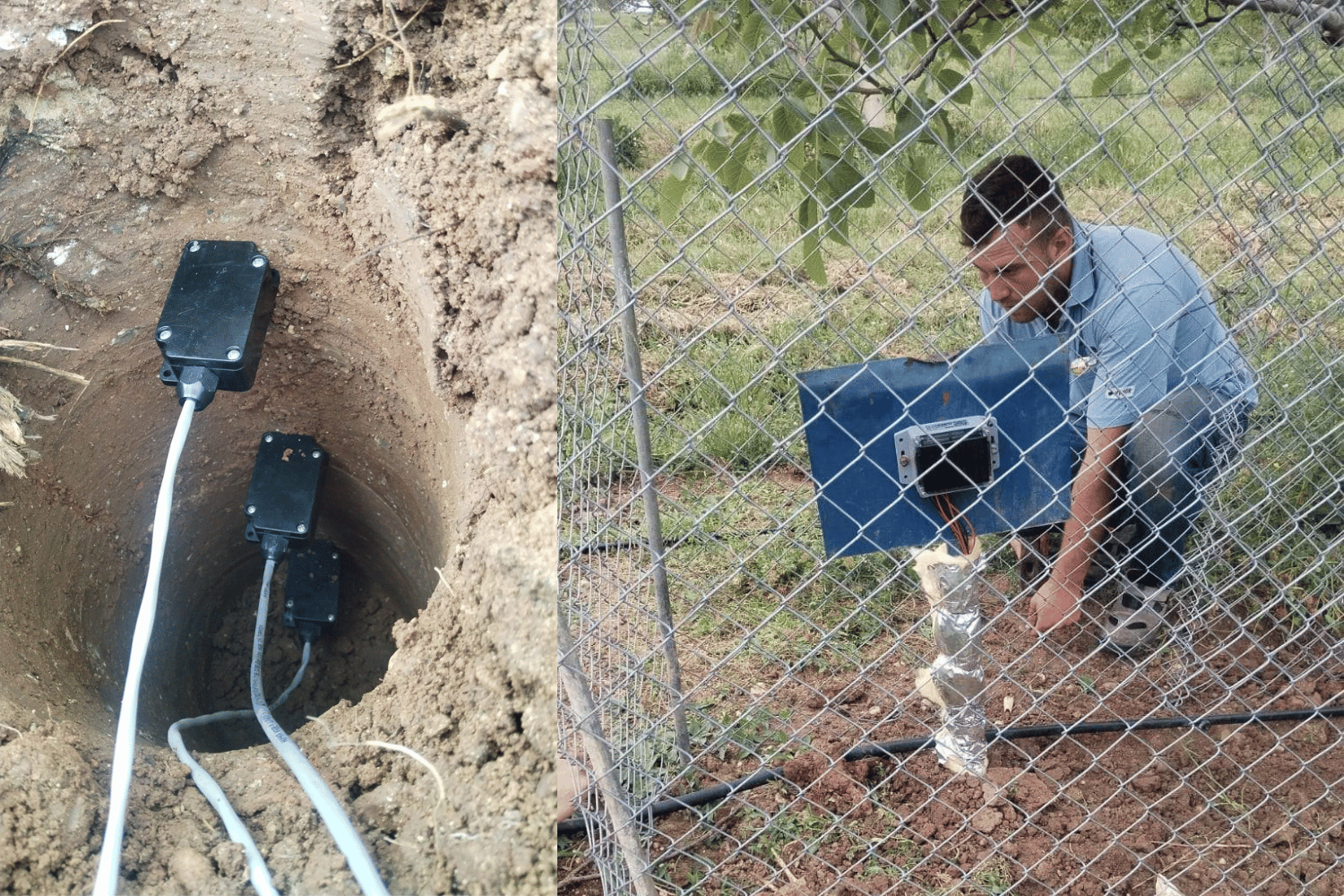
Visual: Things to consider in irrigation water sampling.
Step 2: Laboratory Process – Scientific Measurement and Analysis
The samples taken must be delivered to the laboratory within 24 hours at the latest. If there will be a delay, samples should be kept in a cold chain (+4°C). In the laboratory, measurements are made with sensitive devices such as spectrophotometers, ICP (Inductively Coupled Plasma), pH meters, and EC meters. These devices accurately detect the chemical components of water in milligrams/liter (mg/L) or milliequivalents/liter (meq/L). For biological analyses, methods such as microbiological culture tests and PCR are used.
Step 3: Interpretation of Analysis Results – Turning Data into Action
Analysis results are usually presented as a report. This report specifies which class the water falls into (C1S1, C2S1, etc.). These classifications are made according to the salinity (EC) and sodium (SAR) risk of the water and give farmers a general idea about the effects of the water on plants and soil. The following table presents a general evaluation:
Beyond this table, experts evaluate the interaction of each element in the water with plant nutrients, the potential for accumulation in the soil, and the damage it can cause to irrigation systems. Based on the analysis results, the irrigation program, fertilization strategy, and soil improvement methods are determined. This provides a roadmap for efficient and sustainable agriculture.
Why is Irrigation Analysis Necessary? Critical Advantages
Not having an irrigation analysis performed is like driving a car in the dark. Unconscious irrigation can cause yield loss in the short term and desertification of soils in the long term. The main advantages provided by having an analysis performed are:
1. Protection of Soil Health and Prevention of Salinization
Incorrect water use can "desolate" the soil. Especially waters with a high sodium ratio disrupt the aggregate structure of the soil, prevent its aeration, and harden the soil like concrete over time. This prevents the development of plant roots and restricts water and nutrient uptake. Thanks to irrigation analysis, the sodium adsorption ratio (SAR) and other salinity parameters of the water are noticed in advance, and measures such as gypsum application, sulfur, or organic matter supplementation to prevent sodium accumulation in the soil can be taken in time. Thus, the productivity of the soil is protected and a sustainable production model is supported.
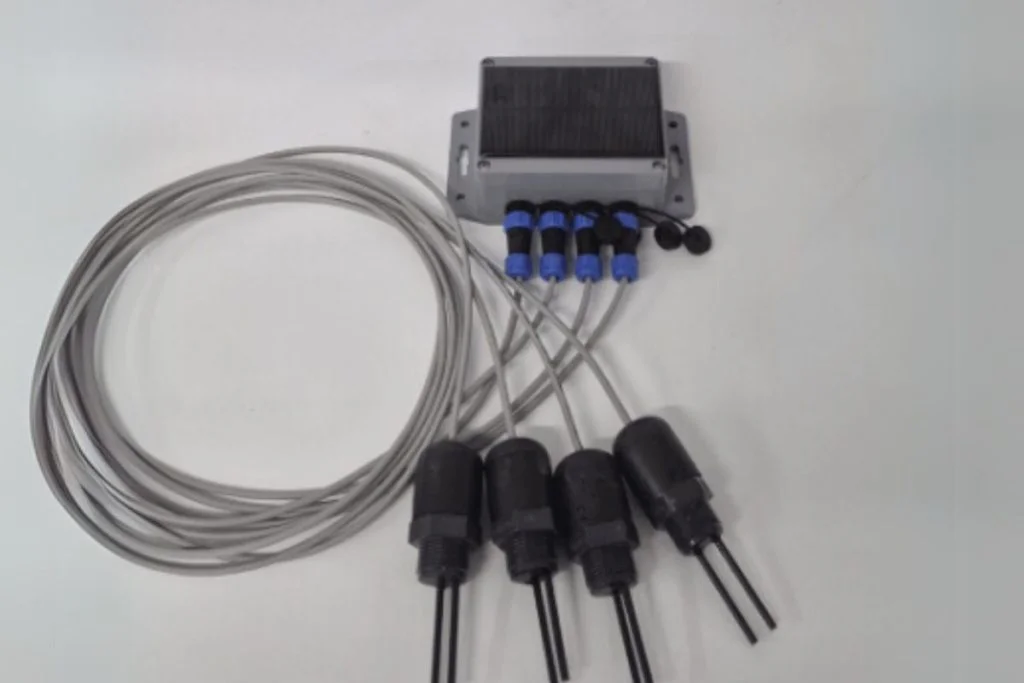
Visual: Soil analysis and monitoring is a fundamental step for healthy soils.
2. Optimization of Plant Nutrition Programs
Irrigation water already contains some nutrients (calcium, magnesium, sulfate, etc.). By looking at the analysis results, you can subtract these amounts from your fertilization program and achieve significant cost savings. For example, if there is a sufficient amount of calcium in your irrigation water, it may be unnecessary to provide external calcium supplementation. Additionally, you increase the effectiveness of the fertilizer by choosing fertilizer according to the pH of the water. Some nutrients (e.g., phosphorus, iron) are better taken up by the plant within certain pH ranges. Precision fertilization based on water analysis ensures that plants receive the right nutrients at the right time, increasing yield and product quality.
3. Extending the Life of Irrigation Systems and Reducing Maintenance Costs
Waters with a high degree of hardness (calcareous) quickly clog drip irrigation pipes and cause scale accumulation in nozzles. Waters containing iron and manganese lead to bacterial accumulation (biofilm, slime) inside the pipe, which causes clogging and flow problems. Irrigation analysis helps you identify such problems in advance and determine appropriate maintenance strategies such as acid injection, chlorination, or filtration. In this way, the lifespan of irrigation systems is extended, failure and maintenance costs are reduced, and water is ensured to reach the plants evenly and efficiently.
Accuracy of Irrigation Analysis: How to Obtain Reliable Data?
The accuracy of an analysis determines the success of the decisions made. An incorrect analysis result can lead to large financial losses by causing incorrect fertilizer use or wrong plant selection. Therefore, ensuring reliability when performing irrigation analysis is of critical importance.
Factors affecting accuracy include equipment calibration, the expiration date of the chemical reagents used, and the expertise of the personnel performing the analysis. A reliable laboratory is an organization that performs its calibrations regularly, uses test methods compliant with international standards, and has experienced personnel. As Esular, while we monitor moisture and salinity in the soil instantly with our digital sensors, we always recommend that this data be supported by laboratory analyses. This is because field sensors show instantaneous changes, while laboratory analyses provide a comprehensive snapshot of the water's fundamental chemical structure.
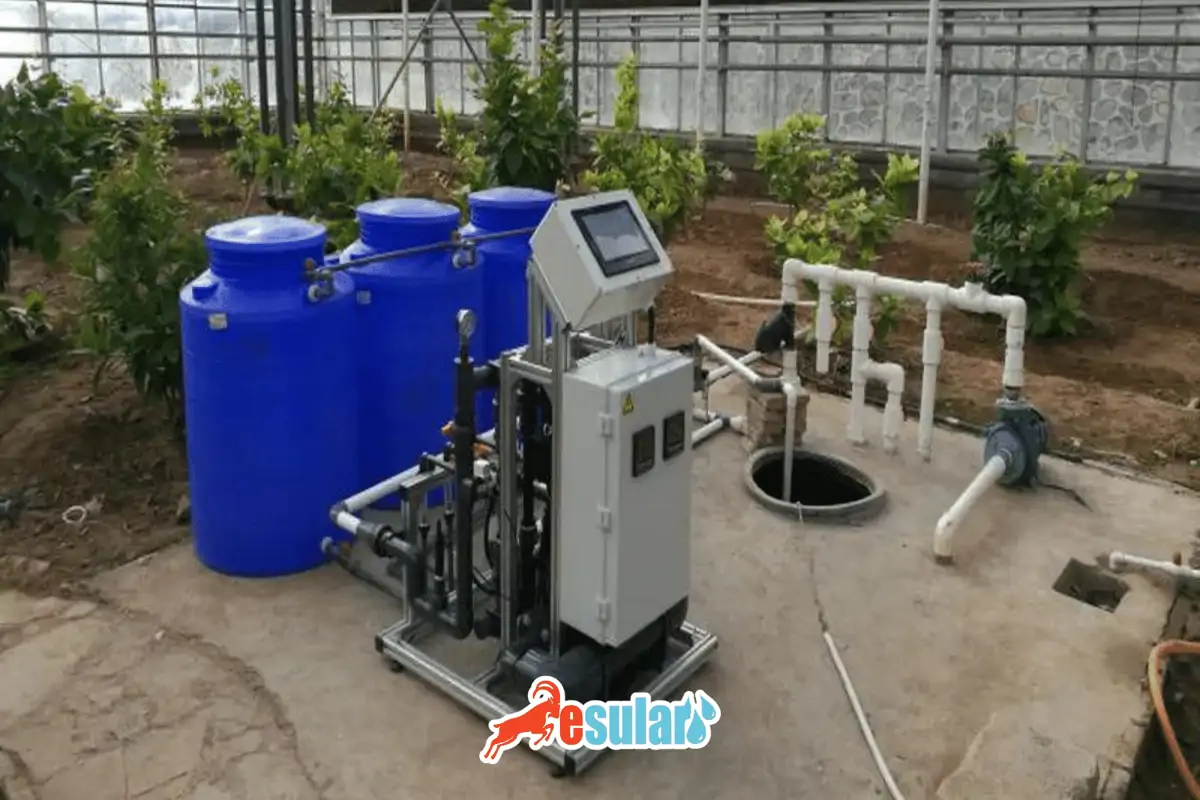
Visual: Increase efficiency with Esular's smart fertilization and irrigation solutions.
Relationship Between Esular Technologies and Irrigation Analysis: Combination of Traditional and Modern
Traditional irrigation analysis takes an instantaneous snapshot of your water. However, field conditions are dynamic; soil moisture, plant nutrient needs, and environmental factors constantly change. The smart farming solutions offered by Esular allow you to put these analysis results into practice and make adjustments according to the instantaneous situation. In this way, both long-term planning based on scientific data and instantaneous adaptation to field conditions become possible.
- Instant Tracking with Soil Moisture Sensors: Esular's soil moisture sensors continuously measure the moisture level at different depths of the soil. In this way, in line with the water quality determined by irrigation analysis, it can be instantly detected whether the plant really needs water, and excessive irrigation is prevented. These sensors help determine the most accurate irrigation time by monitoring the movement of water in the soil and its absorption by the plant.
- Nutrient Management with EC and pH Sensors: EC and pH values in soil and irrigation water directly affect the availability of plant nutrients. Esular's integrated sensors monitor these values in real-time, allowing your fertilization program to be optimized instantly along with irrigation analysis results. For example, if your water's pH is high, Esular systems can automatically activate acid injection to pull the pH to the desired level and facilitate nutrient uptake.
- Wireless Valve Control and Automation: Based on irrigation analysis results and sensor data, Esular's wireless valve control units automatically manage irrigation systems. In this way, it is ensured that water is given in the right amount, at the right time, and to the right area. This automation minimizes human error and reduces labor costs while maximizing the efficient use of water.
- Integrated Decisions with Meteorological Stations: Esular's meteorological stations collect environmental data such as precipitation, temperature, humidity, and wind. This data is combined with information from irrigation analysis and field sensors to allow for more precise predictions about future irrigation needs. For example, irrigation programs can be automatically adjusted according to the expected amount of precipitation.
- Remote Monitoring and Management Platforms: All this data is collected on Esular's cloud-based platform and allows farmers to monitor and manage their fields remotely via a mobile application or web interface. Irrigation analysis reports are integrated into this platform, providing farmers with a comprehensive data set. In this way, farmers can check the water and nutrient status of their fields from anywhere in the world and change irrigation programs instantly.
Irrigation Analysis and Sustainable Agriculture: Key to the Future
Irrigation analysis not only solves instantaneous problems but also forms the basis of sustainable agricultural practices. In today's world where water resources are limited, every drop of water must be used consciously. Analysis results provide farmers with valuable information on increasing water efficiency, preventing soil erosion, and optimizing chemical fertilizer use. This serves the purpose of protecting natural resources and leaving more productive soils for future generations while reducing the environmental footprint.
Additionally, irrigation analysis plays an important role in ensuring global food security. Increasing agricultural productivity is essential to feed the growing world population. By optimizing water quality, plant health and yield can be maximized, which means more food production. Irrigation management based on scientific data makes agricultural production more resilient and predictable.
Conclusion: Manage Water Quality for Efficient Agriculture
Irrigation analysis is not just paperwork; it is the cornerstone of modern agriculture. Knowing the content of your water means protecting your soil, feeding your plant correctly, and using our limited water resources in the most efficient way. With a quality analysis and a correct automation system that processes this data, you can maximize your agricultural profitability. As Esular, we offer the most advanced technologies to help our farmers manage their water resources wisely.
If you also want to use the power of water at full capacity in your field, understand your water quality with scientific data, and meet smart irrigation systems, contact the Esular expert team. Let's analyze your water, manage it with our technology, and increase your abundance together. Step into the agriculture of the future today!