What is Ketosis Disease in Cattle?
Ketosis is a metabolic disease frequently encountered in cattle. This disease occurs as a result of the disruption of energy production in the animal's body. It usually occurs due to insufficient energy intake or the metabolism's inability to break down fats. Ketosis in cattle is generally observed during high milk yield periods, after birth, or in conditions of inadequate nutrition. Ketosis causes an increase in ketone bodies in the animal's body. Therefore, these high levels of ketone bodies lead to acidosis in the blood and energy loss in the animal. Diagnosis of ketosis is made by measuring the levels of ketone bodies in the blood. Treatment is generally supported with an appropriate diet to increase the animal's energy intake and balance its metabolism. Preventive measures include the implementation of a correct nutrition program, providing adequate energy and protein, close monitoring of animals in the postpartum period, and reducing stress.

What Causes Ketosis?
Ketosis generally develops as a result of energy imbalance. However, specific factors causing this condition include insufficient feed consumption or consumption of feeds with low energy content, pregnancy, increased energy needs during lactation periods, inadequate or unbalanced nutrition programs, digestive problems, liver diseases, stress, and traumatic situations. Therefore, these factors can lead to ketosis by affecting energy metabolism in animals. To prevent this situation, appropriate nutrition programs and veterinary recommendations are important.
What are the Symptoms of Ketosis in Cattle?
The symptoms of this condition appear as follows:
- A distinct acetone odor coming from the animal's mouth and body.
- Eating less feed than normal or a decrease in the desire to eat.
- Weight loss or decrease in body condition.
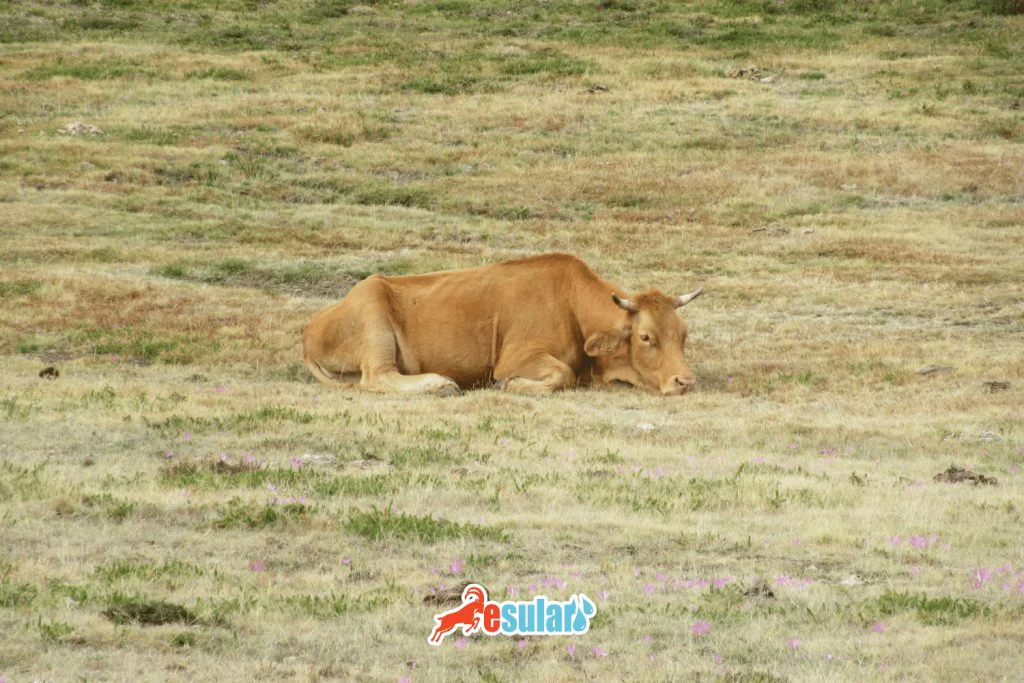
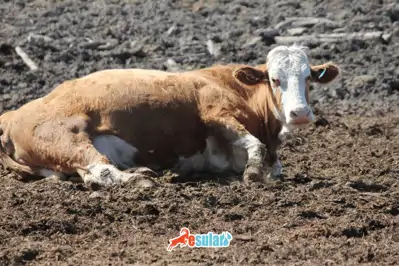
- Feeling generally sluggish and a decrease in activity level.
- Gastrointestinal problems such as diarrhea, constipation, or digestive disorders.
- Decrease in milk yield.
- Restlessness, irritability, or other behavioral changes.
- Feeling generally sluggish and low energy.
These symptoms show the effects of ketosis on the animal. However, intervention by a veterinarian is important for a definitive diagnosis.
How is Ketosis Treatment Performed in Cattle?
Ketosis treatment uses various methods to re-establish energy balance. In this treatment process, primarily the animal's feed ration is reviewed and efforts are made to increase the energy content. Additional energy sources can also be used; for example, the addition of supportive substances such as propylene glycol may be considered. Furthermore, the balanced provision of minerals and vitamins is also important. However, during the treatment process, it may also be necessary to use medications recommended by the veterinarian. In treatment, re-establishing energy balance and taking appropriate nutritional measures are the basic strategies. However, in every case, it is important to consult a veterinarian or a nutrition expert.
What Precautions Should Be Taken Against Ketosis Disease?
To prevent ketosis disease, farm managers and animal owners can take the following measures:
- Supporting animals with an adequate and balanced nutrition program is important. Rations should be organized to meet the animals' energy needs.
- The quality and content of feeds should be regularly checked and improved when necessary. Feeds with high energy content should be preferred.
- The energy needs of animals in pregnancy and lactation periods increase. In these periods, animals should be monitored more closely and nutrition programs should be organized when necessary.
- Attention should be paid to digestive system health and appropriate measures should be taken to prevent digestive problems.
- Reducing stress in animals can reduce the risk of ketosis. For this, appropriate housing conditions, hygiene, and routine veterinary checks should be provided.
- It is important for animals to be regularly checked by a veterinarian and for intervention to be made when necessary.
These measures can help prevent ketosis disease and help animals develop healthily.
Yorumlar