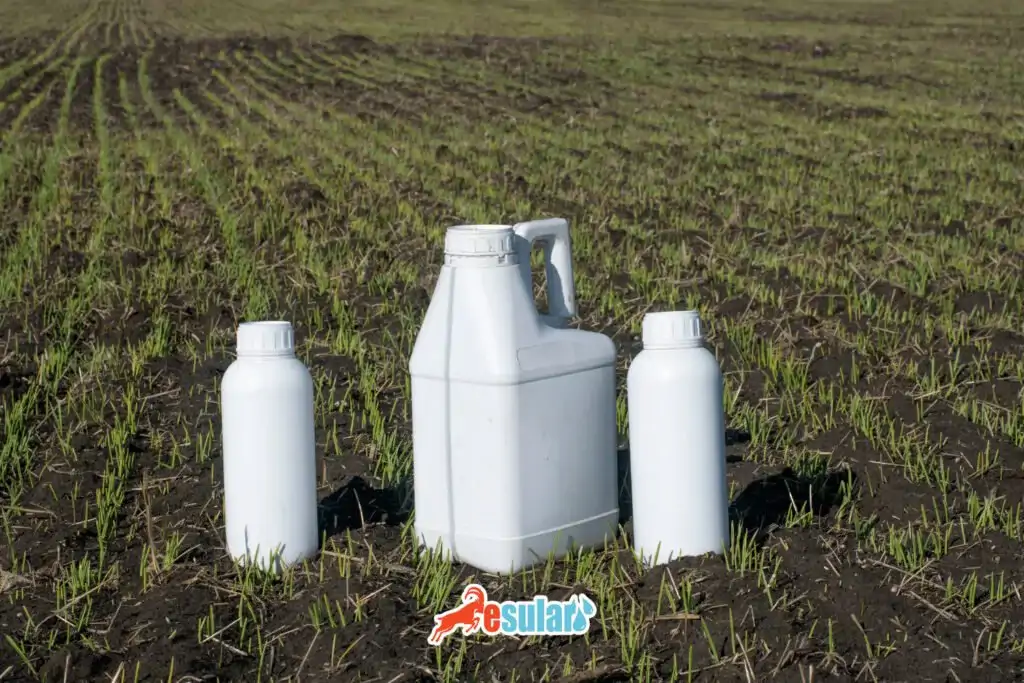
Liquid sulfur is a chemical substance that is the liquid state of the element sulfur. Sulfur is an element located in group 16 of the periodic table. Liquid sulfur is generally used in industrial and agricultural applications. For example, in agriculture, liquid sulfur can be used as a fungicide (fungus killer) in the fight against plant diseases. At the same time, sulfur is used in the chemical industry, rubber production, fertilizer making, and many other industrial applications. Liquid sulfur can be stored in specific containers for storage and transport purposes for special use areas. However, safety precautions regarding the use of sulfur must be taken. Because this substance can pose various hazards under unsuitable conditions.
What are the Benefits of Liquid Sulfur?
Sulfur is a critical element that plays an important role in agricultural applications. Liquid sulfur stands out with the following features in its use for various needs in the agricultural field:
By helping to protect plants from unwanted insects and pests, it supports the healthy growth of products.
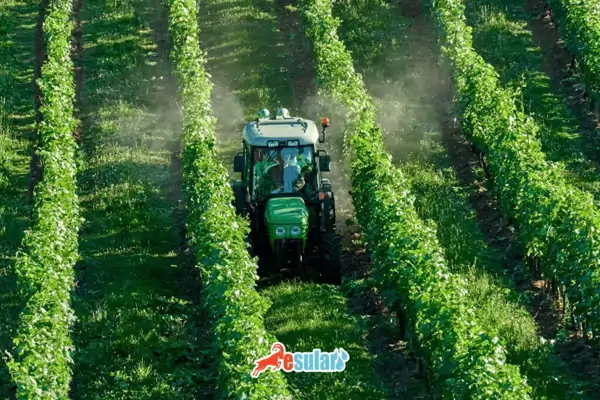
It is effective in fungal diseases such as mold and powdery mildew, which are common especially in viticulture.
Quickly corrects sulfur deficiency in the soil or plant. Promotes the healthy development of plants.
Minimizes the risk of plants being under stress by reducing the temperature differences between night and day.
Helps plants be more resistant to frost by regulating soil temperature.
Regulates lime in calcareous or excessively calcareous soils, improving soil health.
Prevents problems caused by salinity by reducing the salinity of the soil after use.
Allows plants to take macro and micro nutrients more effectively by regulating the pH level in the soil.
Its compatibility with agricultural mechanization tools facilitates application processes.
Thanks to its liquid form, it is easier to apply than powder sulfur and shows its effects faster.
It is the most effective soil pH regulation tool, and long-term effects can be seen in a short time.
With these features, liquid sulfur is an important tool for increasing productivity in agricultural production and supporting the healthy development of plants.
Which Plants is Liquid Sulfur Used In?
Liquid sulfur is a product widely used by farmers in fruit and vegetable production. It is used in a wide range from citrus farming to sugar beet cultivation, from wheat to lettuce, from tomatoes to chickpeas. It is also an effective solution in the cultivation of many products such as cherries, walnuts, eggplants, melons, watermelons, barley, cucumbers, garlic, hazelnuts, carrots, turnips, potatoes, radishes, grapes, onions, beans, corn, cabbage, and zucchini.
Especially in tomato production, the use of liquid sulfur is generally preferred when plants are young or during periods when the risk of disease is high. It is important to apply it immediately when symptoms of disease appear. This application should be carried out by carefully spraying the leaves of the plants, especially in the late afternoon or cool weather conditions. It provides effective protection against fungal diseases such as powdery mildew, thus playing a critical role in protecting the tomato harvest.
How to Use Liquid Sulfur?
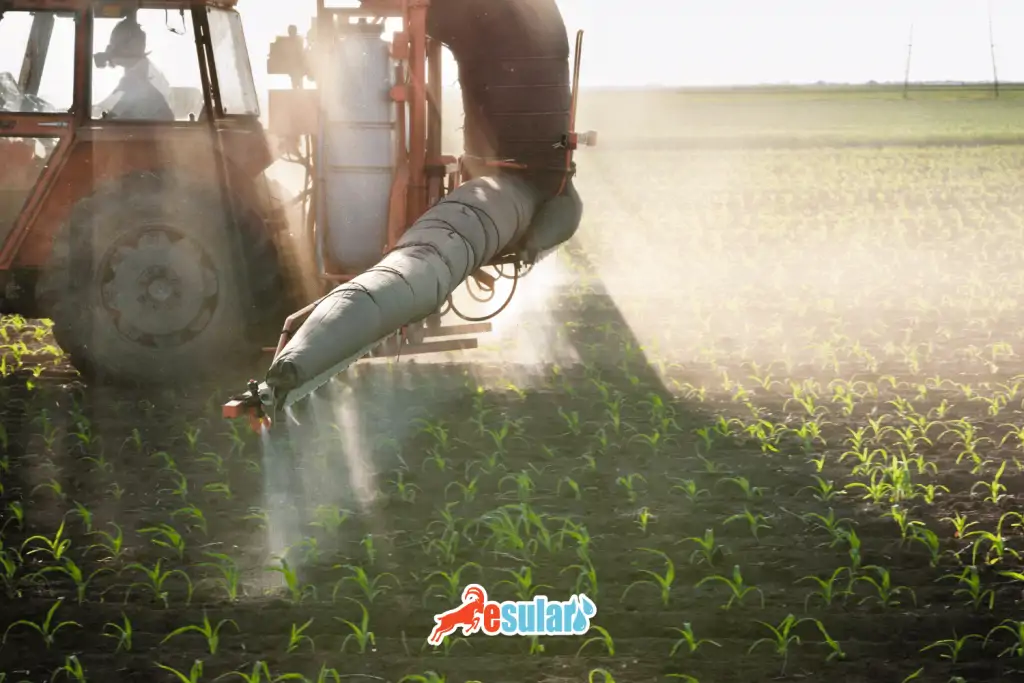
Liquid sulfur is generally applied to the leaves of plants by the spraying method. This application provides protection against various fungal diseases by forming a thin layer on the plants. The application is generally made when the plants are young or during periods when the risk of disease is high. When the first signs are seen or if the probability of the disease occurring is high, liquid sulfur application should be started. Liquid sulfur can be more effective especially when applied in the evening hours or in cool weather conditions. This allows the product to stay on the plants for a longer time. The frequency of application may vary depending on the plant species and the region where it is grown. Application should be made in line with the recommendations of agricultural experts and the program followed by the producer.
When is Liquid Sulfur Used?
During application, correct timing should be considered by taking air temperature and humidity conditions into account. Liquid sulfur application generally promotes plant development and increases the resistance of plants to diseases. These details offer an effective liquid sulfur usage guide for agricultural experts and farmers. It can be used in all development periods of the plant, before planting and at the time of planting. The first application is usually made at the beginning of plant growth or at the beginning of the season, and then continues at designated intervals. This process can be adjusted depending on the plant species, the region where it is grown, and seasonal conditions.
How to Make Liquid Sulfur from Powder Sulfur?
There are several basic steps that can be followed to turn powder sulfur into liquid form. In the first stage of this process, a quality source of powder sulfur is obtained. Then, the powder sulfur is diluted, usually using water. This dilution process is carried out within a certain ratio, but this ratio may vary depending on the plant species, the purpose of application, and the targeted sulfur concentration. Safety precautions should be taken and personal protective equipment should be used. Attention should be paid to good ventilation to reduce the effects of smoke or vapor that may occur during the process. After the dilution process is completed, a suitable spraying system is used to apply the obtained liquid sulfur to the plants. At this stage, an appropriate application amount is determined by considering the needs of the plants and the concentration of the obtained liquid sulfur.
What are the Symptoms of Sulfur Deficiency in Plants?
Sulfur is one of the secondary macro elements that are vital for the healthy growth and development of plants, located in the same category as Magnesium and Calcium. After essential elements such as Nitrogen, Phosphorus, and Potassium, the greatest needs of plants for secondary macro elements are Magnesium, Calcium, and Sulfur. Since Anatolian soils generally have a calcareous structure, Calcium deficiency is usually not observed. However, this situation can sometimes lead to excessive calcification and high soil pH levels.
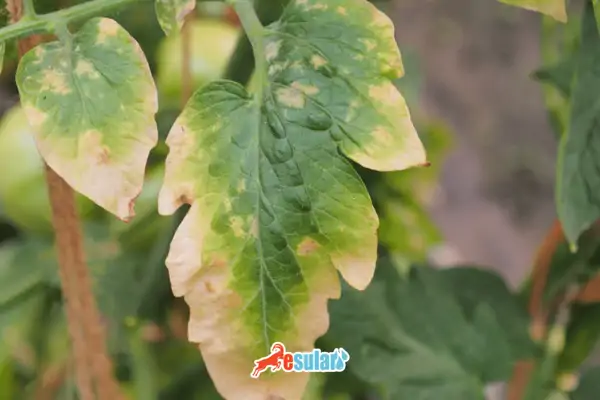
In case of sulfur deficiency, plant growth slows down, leaves begin to fall, buds fade and usually open weakly or dry up. In addition, protein synthesis slows down and a decrease in yield is seen. Symptoms of weakness and yellowing appear in young leaves. To solve this problem, it is recommended to quickly apply fertilizers containing sulfate or liquefied sulfur. These applications offer an effective solution to meet the sulfur needs of plants and ensure healthy growth.
What Happens if Liquid Sulfur is Overused?
In case of excessive use of liquid sulfur, various negative effects can be seen in plants. This situation can lead to burning, drying, and spotting on the leaves of plants, which negatively affects general plant health. Excessive sulfur use can also lower soil pH, creating an acidic environment and preventing the development of some plants. Besides this, it can disrupt beneficial bacterial and fungal populations. In addition, environmental impacts should also be considered; excessive sulfur use can mix into water resources and harm environmental wetlands. Therefore, it is important to strictly follow the doses determined by the manufacturer when using liquid sulfur or any other pesticide. Having soil analysis done and applying fertilization suitable for plant needs can offer more effective ways to support healthy plant growth.