What is maralfalfa, maralfalfa belongs to the forage crops category. It is a plant in demand by farmers engaged in animal husbandry. Maralfalfa is also known as elephant grass. It is a plant that emerged from the natural fertilization of Miscanthus sacchariflorus and Miscanthus sinensis and does not propagate by seed. Actually, saying it does not propagate by seed is not entirely correct. It propagates by seed, but it is difficult and laborious. Maralfalfa grass is a forage crop popular in South America and produces high levels of green grass. This plant stands out with its high biomass yield and can be used as an energy crop. Maralfalfa's characteristics and usage areas are diverse.
When to Plant Maralfalfa
Maralfalfa is a 3-year forage crop.Maralfalfa grass seeds are planted in the spring. Within 45 days after planting, it becomes ready for the first harvest. The time between the first harvest and the next harvest is usually between one month and forty days.
How to Plant Maralfalfa
Maralfalfa's cold resistance is low during the first planting. Plants may die in cold below –3°C. However, as root development is achieved, it gains more resistance. Still, it has been determined that 90% of rhizomes die below -8 C°. It generally shows resistance against temperatures below zero. Mature plants become more resistant to cold.
It is resistant to drought.
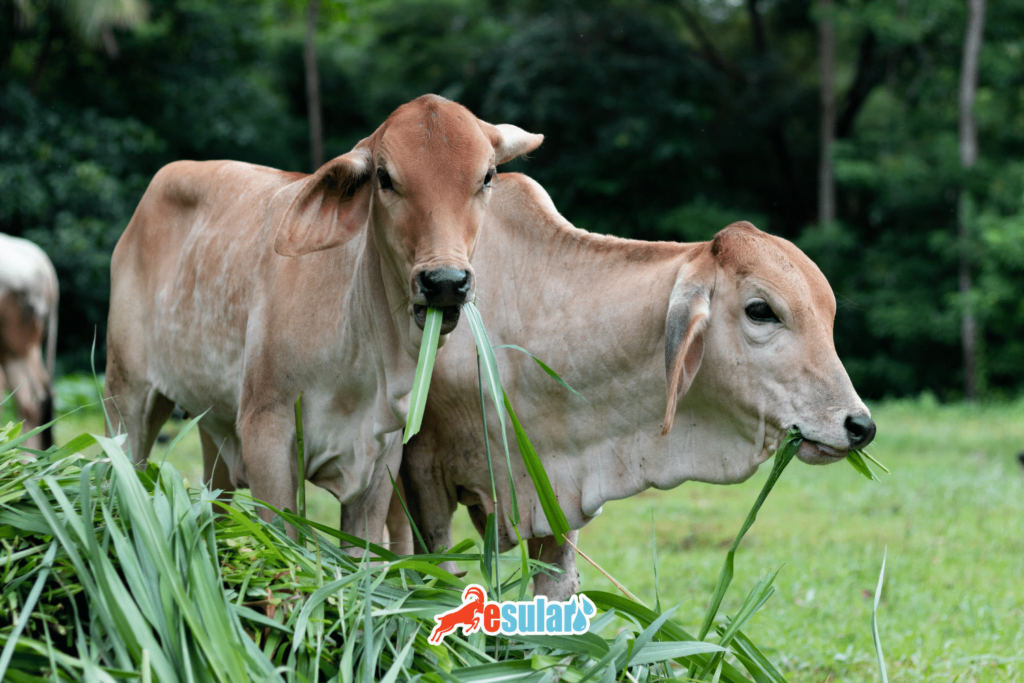
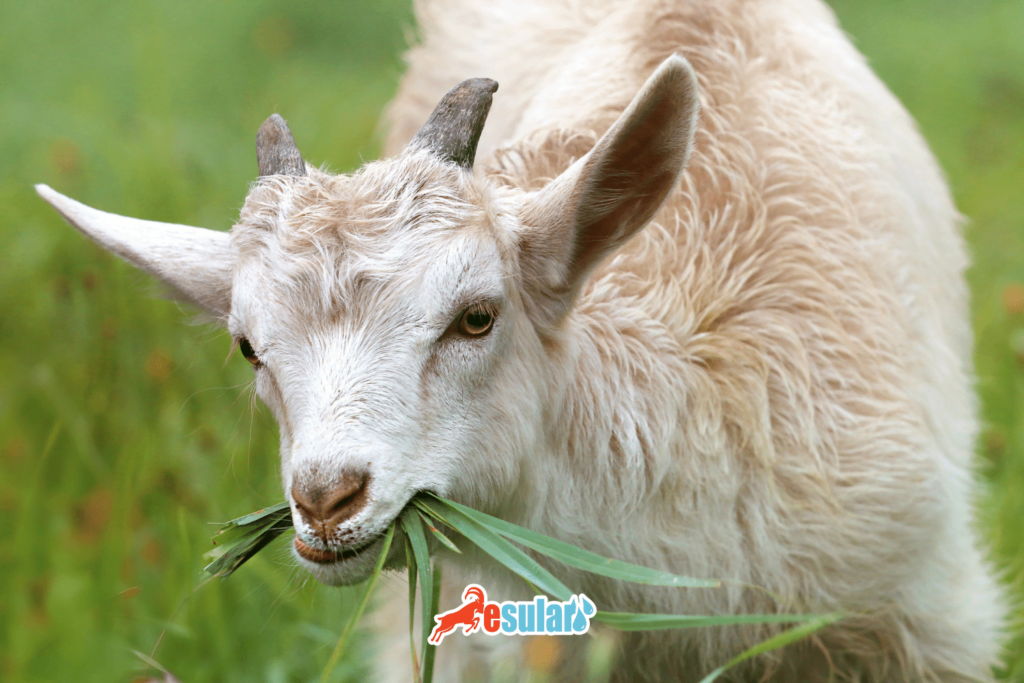
It provides up to a 30% increase in meat and milk production in animals.
Maralfalfa is a plant that can grow in wide geographies. Yield may vary depending on agricultural conditions. While the dry matter yield obtained without irrigation in Europe is around 400-500 kg/da, it can vary between 3400-4400 kg/da under irrigated conditions.
It is an excellent source of protein, the protein ratio it contains can go up to 19%. It also contains 12% starch. This plant also draws attention with its rich mineral content.
According to studies conducted in Turkey, while the green grass yield in the Aegean region varies between 9-14 ton/da, the dry hay yield varies between 1.5-2.5 ton/da. Protein values generally range between 4-6.
In conclusion, maralfalfa is a high-yield forage crop. However, factors such as initial investment costs, sensitivity to low temperatures, and market issues should be considered. Producers should evaluate climate and regional factors by making at least a 10-15 year plan and perform a detailed analysis before investing.
Maralfalfa Characteristics
Maralfalfa's cold resistance is low during the first planting. Plants may die in cold below –3°C. However, as root development is achieved, it gains more resistance. Still, it has been determined that 90% of rhizomes die below -8 C°. It generally shows resistance against temperatures below zero. Mature plants become more resistant to cold.
It is resistant to drought.
It provides up to a 30% increase in meat and milk production in animals.
Maralfalfa is a plant that can grow in wide geographies. Yield may vary depending on agricultural conditions. While the dry matter yield obtained without irrigation in Europe is around 400-500 kg/da, it can vary between 3400-4400 kg/da under irrigated conditions.
It is an excellent source of protein, the protein ratio it contains can go up to 19%. It also contains 12% starch. This plant also draws attention with its rich mineral content.
According to studies conducted in Turkey, while the green grass yield in the Aegean region varies between 9-14 ton/da, the dry hay yield varies between 1.5-2.5 ton/da. Protein values generally range between 4-6.
In conclusion, maralfalfa is a high-yield forage crop. However, factors such as initial investment costs, sensitivity to low temperatures, and market issues should be considered. Producers should evaluate climate and regional factors by making at least a 10-15 year plan and perform a detailed analysis before investing.