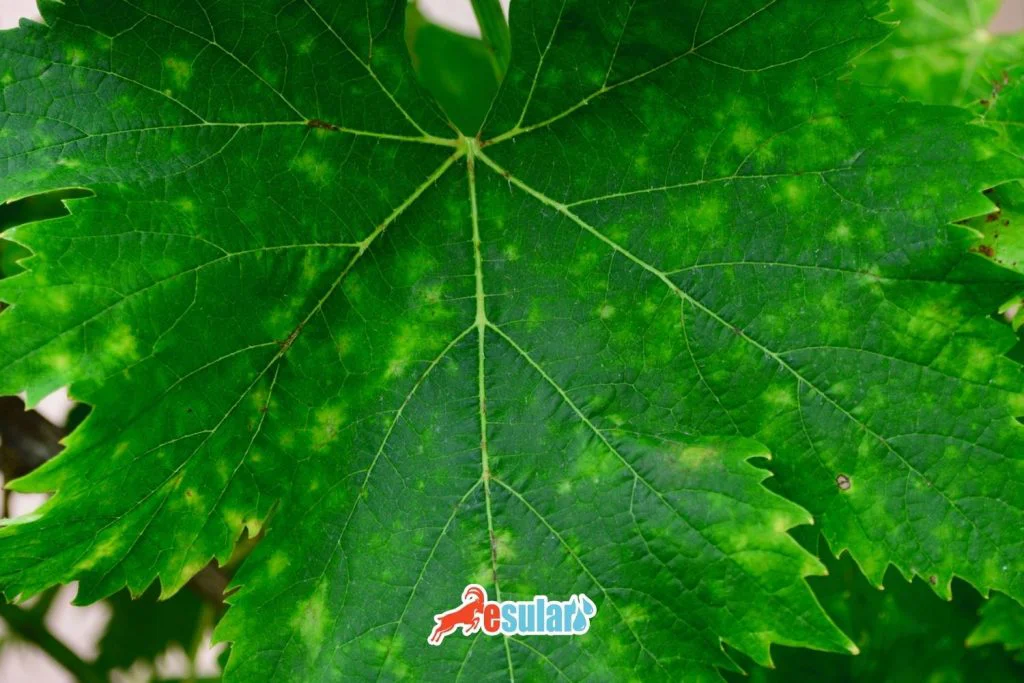
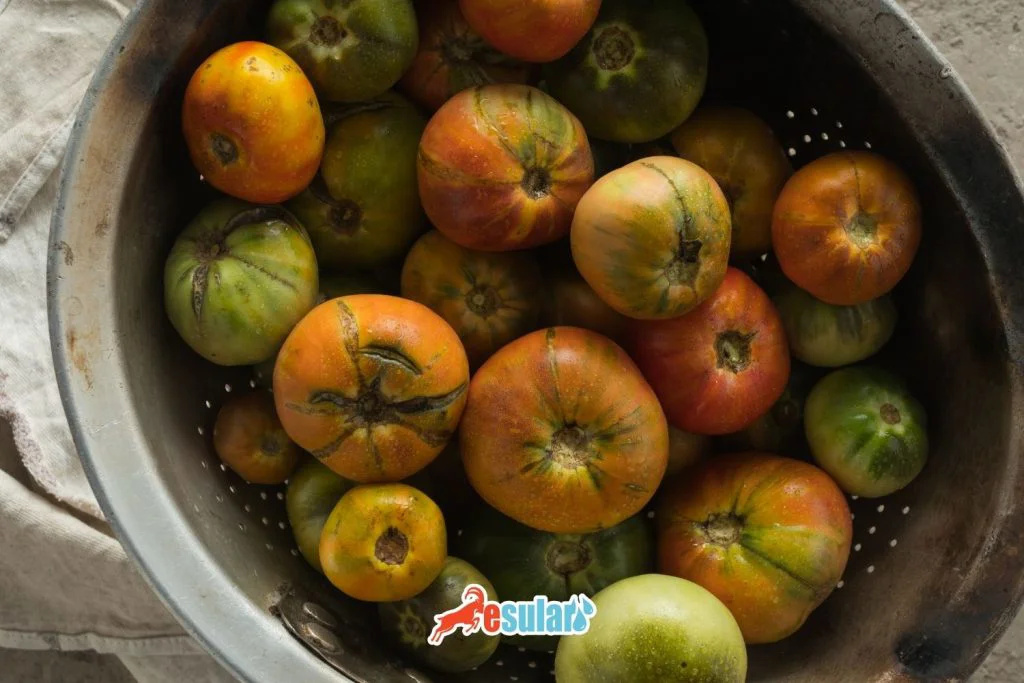
Mosaic virus is a group of virus species that cause significant damage to plants and reduce the productivity of many agricultural products. These viruses negatively affect the health of plants by showing various symptoms on the leaves, fruits, and stems of plants. Mosaic viruses usually create irregular spots and mosaic patterns on the leaves of infected plants. Additionally, they can cause problems such as stunting, leaf curling, fruit deformations, and yield loss in plants. These viruses, which are commonly encountered in agriculture, can spread easily through mechanical contact, infected plant residues, and certain insects. Therefore, combating mosaic viruses is of great importance to protect plant health and make agricultural production sustainable.
What are the Types of Mosaic Virus
Mosaic viruses are groups of viruses that cause various symptoms in plants and lead to significant economic losses. There are various mosaic viruses specific to different plant species. Here are the most common and important mosaic virus types:
Tobacco Mosaic Virus: is one of the best-known mosaic viruses. This virus, first identified in tobacco plants, can also infect tomatoes, peppers, eggplants, and many other plant species. TMV creates symptoms such as mosaic patterns, curling, and wrinkling on the leaves.
Cucumber Mosaic Virus: is a virus with a wide host range that causes disease in many vegetable plants. CMV infects plants such as cucumber, melon, watermelon, squash, tomato, and pepper. Symptoms such as mosaic patterns, shape deformations, and stunting are seen on the leaves.
Tomato Mosaic Virus: is a virus commonly seen in tomato plants. It creates symptoms such as light and dark green mosaic patterns, curling, and hardening on the leaves. ToMV can cause young plants to die in early infections.
Bean Common Mosaic Virus: is a virus that causes significant losses in bean plants. It creates symptoms such as mosaic patterns, curling, and stunting on the leaves. BCMV is a virus that can also be spread through seeds.
Beet Mosaic Virus: is a virus commonly seen in sugar beet plants. It creates symptoms such as yellow mosaic patterns and stunting on the leaves. BYV is a virus carried by aphids.
Squash Mosaic Virus: is a virus commonly seen in plants of the cucurbit family. It infects plants such as cucumber, melon, squash, and watermelon. It creates symptoms such as mosaic patterns, curling, and shape deformations on the leaves.
Arabidopsis Mosaic Virus: is a virus seen in the Arabidopsis thaliana plant, which is used as a model plant especially in research. It creates symptoms such as mosaic patterns and curling on the leaves.
Peanut Mosaic Virus: is a virus that causes significant losses in peanut plants. It creates symptoms such as mosaic patterns, curling, and stunting on the leaves.
Cabbage Mosaic Virus: is a virus commonly seen in cabbage and other brassica species. It creates symptoms such as mosaic patterns, curling, and shape deformations on the leaves.
Potato Mosaic Virus: Potato Virus Y (PVY) is a virus commonly seen in potato plants. It creates symptoms such as mosaic patterns, curling, and shape deformations on the leaves. PVY is a virus that can be carried by insects.
What are the Symptoms of Mosaic Virus?
Mosaic Pattern on Leaves: Irregular patterns in different color tones, usually green, yellow, white, and brown, can be seen on the leaves.
Leaf Curling and Wrinkling: Deformations such as curling and wrinkling occur in the leaves; the leaves lose their normal shape and take on a curled, wrinkled appearance.
Vein Clearing in Leaves: Clear or transparent areas may form around the leaf veins, and the veins become more prominent.
Stunting and Growth Retardation: The normal growth and development processes of infected plants are adversely affected; they remain stunted and smaller than normal.
Spots and Streaks on Leaves: Irregularly distributed spots, streaks, and rings form on the leaves.
Deformations in Fruits and Flowers: Fruits may be smaller than normal, misshapen, or spotted; color changes and shape deformations can be seen in flowers.
Color Changes: Leaves and other plant parts may turn yellow, white, or light green.
Tissue Hardening and Thickening: As a result of the hardening and thickening of plant tissues, the leaves become harder and more brittle.
Yield Loss: General health and productivity are negatively affected in infected plants; yield loss and a decrease in product quality can be observed.
In Which Plants is Mosaic Virus Most Common?
Tomato
Pepper
Potato
Watermelon
Melon
Cucumber
Squash
Cucumber (Hıyar)
Lettuce
Millet
Beet
Tobacco
Vine
How to Combat Mosaic Virus?
Methods for combating mosaic virus are as follows:
Use of Resistant Varieties: Preferring plant varieties that are resistant to mosaic virus.
Cleaning and Sterilization: Regular cleaning and sterilization of equipment, soils, and containers used.
Hygiene Measures: Regular hand washing by employees and sterilization of tools.
Mechanical Control: Collection and destruction of diseased plants and plant residues.
Insect Control: Combating insects that carry the virus, especially ensuring control with pests like aphids.
Soil Management: Avoiding the planting of new plants in soils where old plant residues carrying mosaic virus are located.
Correct Irrigation: Keeping plants healthy through correct irrigation methods.
Use of Safe Seeds: Using high-quality seeds known not to carry the virus.