Tüm Yazılar


What is Plastic? How is it Made?
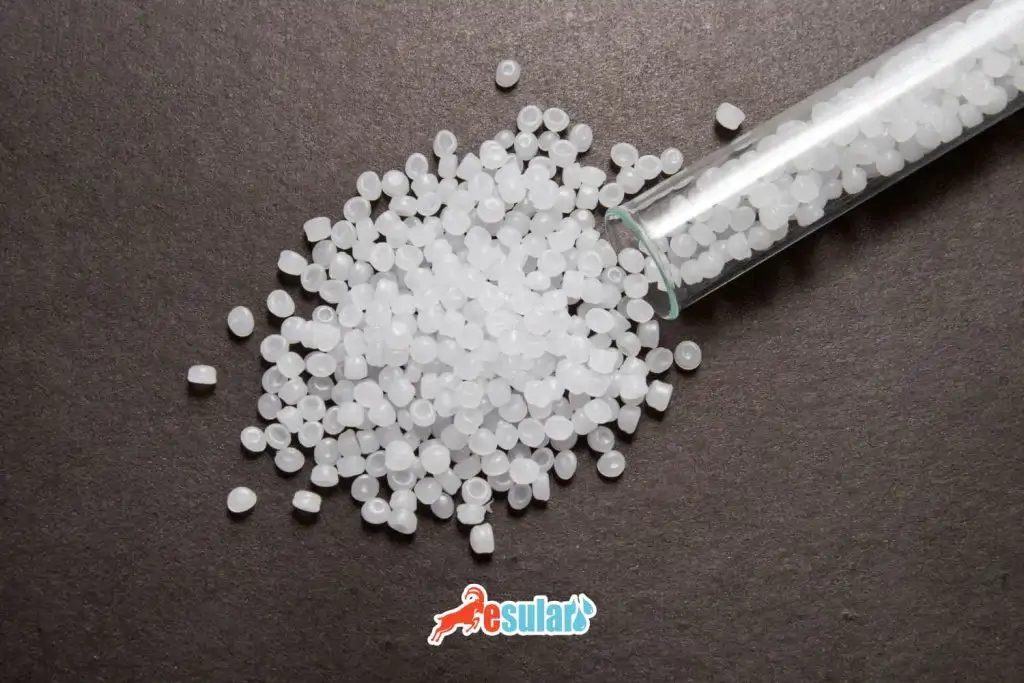
Plastic appears in every area of our lives as an indispensable material of modern industry. It is the general name for polymers formed through the polymerization process of molecules called monomers obtained from natural and synthetic sources. In this process, monomer molecules come together under a certain temperature and pressure, influenced by catalysts, to form long-chain polymer molecules. The structure and properties of plastics vary depending on the details of the monomers used and the polymerization process. Plastic stands out with its durable, lightweight, flexible, and easily shapeable properties. Its widespread use in industry and daily life is provided by the diversity and affordability of plastics. However, the increase in plastic production and use brings along significant problems such as environmental pollution and the depletion of natural resources. Therefore, it is important to find sustainable solutions regarding plastic production and use and to effectively recycle waste.
How is Plastic Made?
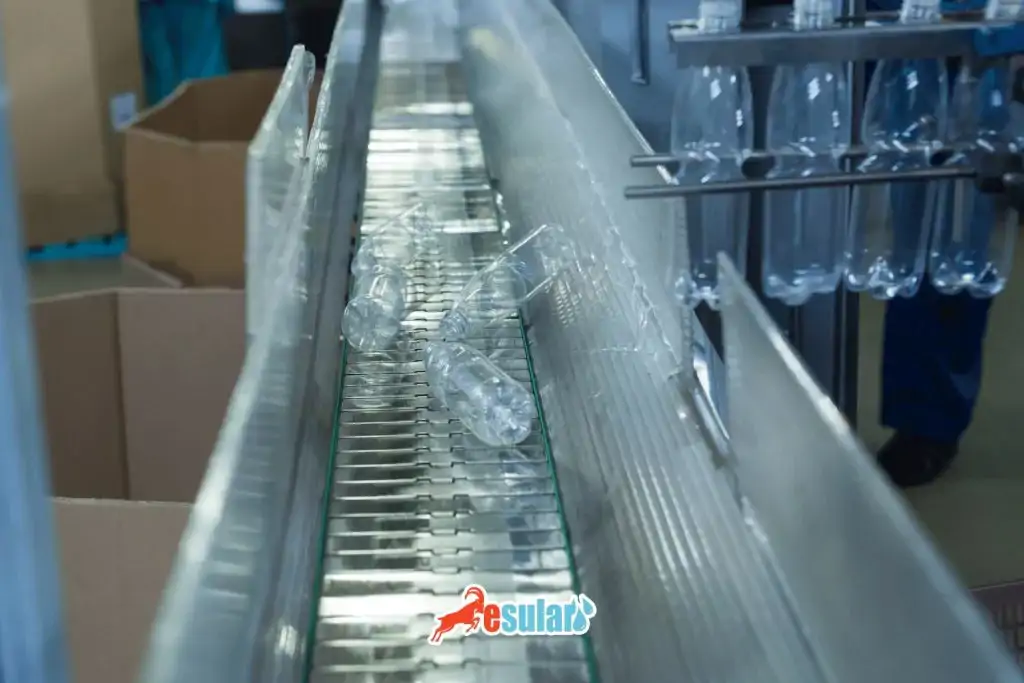
Plastic appears in many areas of our lives as one of the fundamental materials of modern industry. Plastic production is generally carried out in the petrochemical industry. In this process, raw materials obtained as a result of the refining of crude oil are used. Plastic production occurs through the polymerization of small molecules called monomers. Monomers come together during the polymerization reaction to form long-chain polymer molecules. This reaction takes place under a certain temperature and pressure, usually under the influence of catalysts. Polymers obtained as a result of polymerization form the basis of various materials used in the plastic industry. The properties of plastics vary depending on the details of the monomers used and the polymerization process. As a result, the durable, lightweight, flexible and
easily shapeable properties of plastics allow them to find a wide range of uses. With the widespread use of plastic production, significant problems such as environmental pollution and the depletion of natural resources have emerged. Therefore, it is necessary to find sustainable solutions regarding plastic production and use and to effectively recycle plastic waste.
What are the Properties of Plastic?
The properties of plastic can vary depending on its various types and intended uses, but in general, it may include the following properties:
Flexibility and Ease of Shaping: Plastics generally have flexible and easily shapeable properties. This allows them to be produced in desired forms and sizes by being cast into molds in different shapes or through the injection method.
Durability: Plastics are generally durable and can show resistance to impacts. These properties make them preferred in various industrial applications and daily use.
Lightness: Plastics are generally lightweight materials, which provides convenience in transportation and assembly processes and reduces the weight of products.
Insulation Properties: Some types of plastic have electrical and thermal insulation properties, which makes them preferred in the production of electronic and electrical devices.
Chemical Resistance: Plastics are generally resistant to chemicals and do not undergo corrosion or reaction against various chemical substances.
Cheap Production Cost: Plastics can generally be produced from cheap raw materials and the production process can usually be cost-effective.
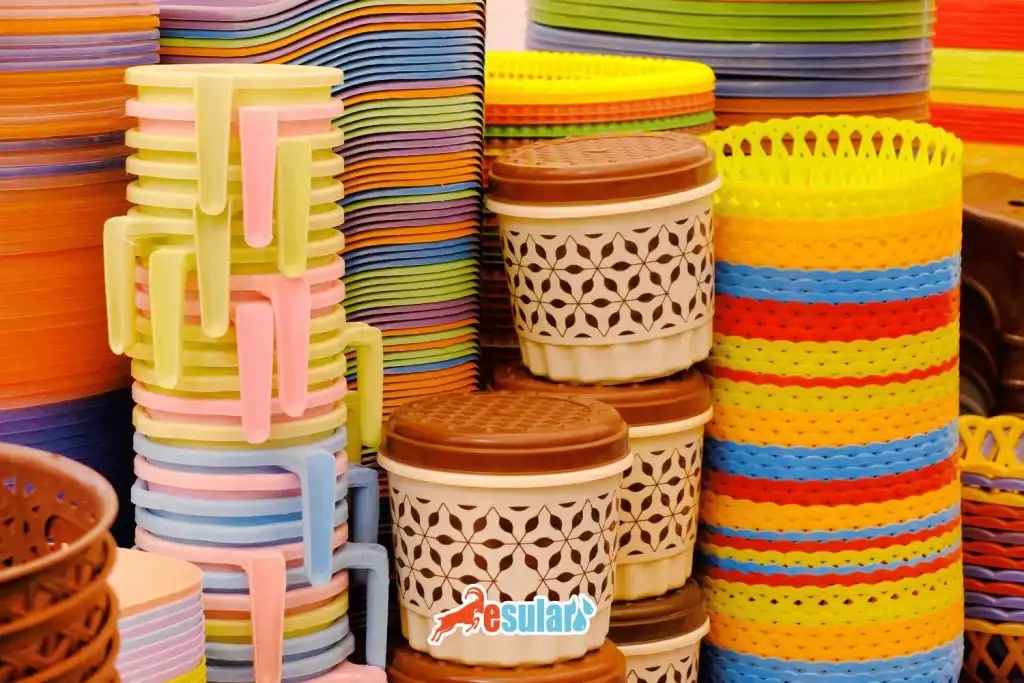
Color and Texture Variety: Plastics can be produced in different colors and textures, which offers a wide variety in terms of aesthetics and design.
These properties ensure that plastics have a wide range of uses and support their widespread use in many industrial applications and daily life.
What is Plastic Used For?
Plastic is a versatile material used in a wide range. Here are some common areas of use for plastics:
Packaging Industry: Plastics are used in the packaging of many products such as food, beverages, cosmetics, and cleaning products. Plastic packaging ensures the protection of products, facilitates their transportation, and extends their shelf life.
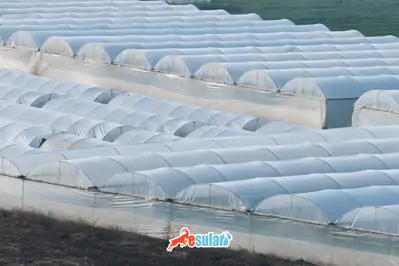
Construction and Building Materials: In the construction sector, plastic materials such as PVC pipes, polycarbonate sheets, insulation materials, and various structural elements are widely used.
Automotive Industry: Plastics are used in internal and external automobile components, engine parts, coatings, panels, and tires. Plastics ensure the car is lightweight and increase fuel efficiency.
Electronic Devices: Many parts of electronic devices such as computers, phones, televisions, and small household appliances are made of plastic. Plastic provides electrical insulation and ensures the devices are lightweight.
Textile and Clothing Industry: Plastic materials such as polyester, nylon, and spandex produced from synthetic fibers are used in the textile industry to produce products such as clothes, shoes, and bags.
Medicine and Health Sector: Plastic materials are used in many areas of the medicine and health sector such as surgical instruments, medical devices, sterile packaging, and hospital equipment.
Hygiene and Personal Care Products: Many hygiene and personal care products such as toothbrushes, razors, shampoo bottles, and soap dispensers are made of plastic.
Toys and Sports Equipment: Many products such as children's toys, sports equipment, and game consoles are produced from plastic materials.
These are just a few examples, and the areas of use for plastics are quite broad and appear in many areas of our lives.
What are the Benefits of Plastic?
Plastics are versatile materials that provide many benefits in various fields. Here are some benefits of plastics:
Durability: Plastics are generally more durable than other materials. Thanks to these properties, they ensure the production of long-lasting products and require less maintenance.
Lightness: They are generally lightweight materials, which provides convenience in transportation and use processes. Especially in the automotive industry, they increase fuel efficiency by ensuring vehicles are lightweight.
Flexibility and Shapeability: They can be easily converted into the desired shape. Thanks to these properties, they provide great flexibility in the production and design of various products.
Variety: They can be produced in different types and properties available in a wide range. This ensures the production of special materials for various needs and applications.
Economy: Since they are produced from cheaper raw materials, they reduce product costs and offer economic options to consumers.
Protectiveness: Plastics provide an effective barrier in the protection of food and other products.
Insulation: They can be used effectively in electrical, thermal, and sound insulation. Thanks to these properties, they are used in many areas such as insulation of electric cables, insulation of buildings, and sound insulation.
These benefits ensure that plastics have a wide area of use and are preferred for many industries and applications. However, the negative effects of plastics on nature and the environment should also be taken into consideration.
What are the Harms of Plastic?
As much as there are benefits to using plastics, the harms are also quite numerous. Although they make our lives easier, they cause much damage to the environment with unconscious use. Some of these harms are as follows;
Damage to Nature and Ecosystem: Plastics may not decompose in nature for hundreds of years. This situation harms ecosystems in seas, rivers, and on land.
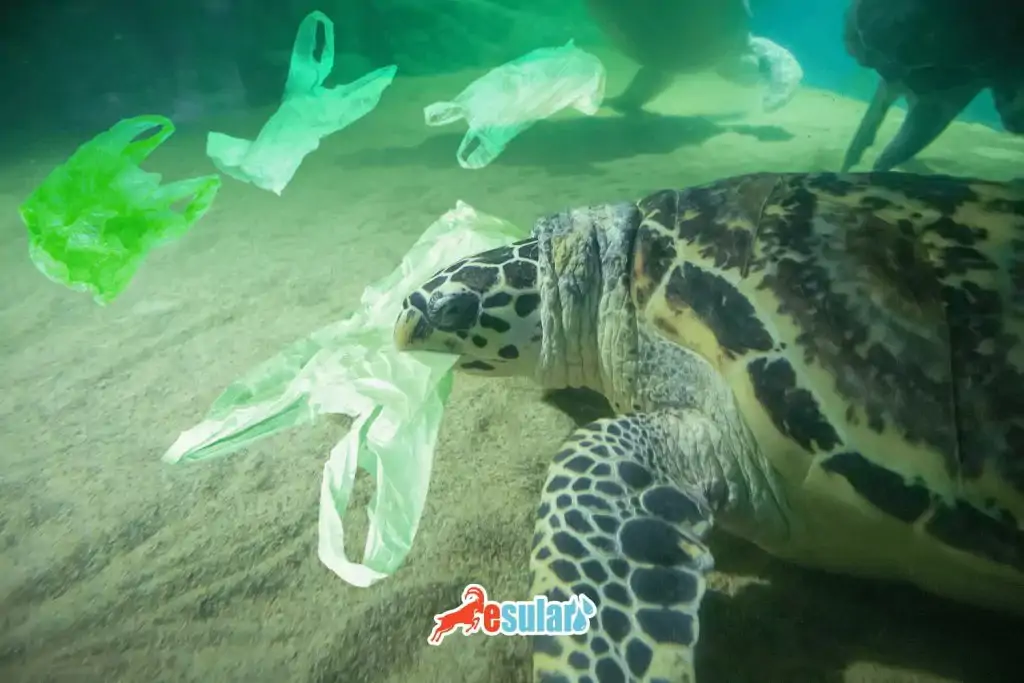
Sea and Ocean Pollution: A large portion of waste is thrown into seas and oceans. This situation negatively affects life in the seas and leads to the death of marine creatures. Additionally, microplastics formed as a result of plastics staying in the sea for a long time can enter the food chain of marine creatures and eventually harm living beings, including humans.
Soil Pollution: Throwing waste on land causes soil pollution. It takes years for plastics to dissolve in soil and affects agricultural lands, vegetation, and water resources.
Air Pollution: Plastic production and burning contribute to air pollution. Gases and chemicals arising from the burning of plastics threaten human health.
Health Risks: It is known that chemicals used in some plastics can be harmful to human health. In particular, it is concerning that chemicals such as phthalates and bisphenol A (BPA) found in some plastics can harm the hormone system and reproductive health.
Harm to Living Beings: Waste can cause direct physical harm to marine creatures. For example, it is a common problem for sea turtles, seabirds, and whales to die as a result of swallowing plastic waste, suffocating, or damaging their internal organs.
These harms of plastics require an increase in environmental awareness and the search for solutions for more sustainable plastic use.
What are the Types of Plastic?
Plastic can be produced in many different types through the combination of different chemical components and production methods. Here are some common types of plastic:
-
Polyethylene Terephthalate (PET or PETE): Generally used in products such as beverage bottles, food containers, and textile fibers.
-
Polyethylene (PE): There are two main types: high-density polyethylene (HDPE) and low-density polyethylene (LDPE). HDPE is used in hard plastic products such as water and liquid detergent bottles, while LDPE is used in plastic bags and packaging materials.
-
Polyvinyl Chloride (PVC): Used in various industrial and consumer products such as water pipes, electric cables, window frames, and packaging materials.
-
Polypropylene (PP): Used in many different applications such as bottles, containers, packaging materials, and automobile parts.
-
Polystyrene (PS): Used in products such as foam plastics, packaging materials, plastic plates, and cups.
-
Polycarbonate (PC): Used in transparent and impact-resistant products such as optical disks, plastic lenses, eyeglass lenses, and baby bottles.
-
Acrylic (PMMA): Frequently known as a transparent plastic used instead of glass and has a glass-like appearance and durability. Acrylic sheets are used in many applications such as showcases, aquariums, and outdoor advertising boards.
-
Polyethylene High Density (HDPE): Used in many areas such as water pipes, bottles, toys, and household items due to its hard, durable, and chemical-resistant properties.
-
Polyethylene Low Density (LDPE): Used in many applications such as stretch films, bags, packaging materials, and plastic containers due to its flexible and lightweight structure.
These are just a few examples, and there are many more types and subcategories in the plastic industry.
How to Control Plastic Pollution?
Various measures need to be taken to control plastic pollution. Among these, encouraging recycling is the best solution. Recycling plastic waste helps reduce the harm to the environment by ensuring more efficient use of resources. Additionally, banning or limiting single-use plastic products is also an effective method in reducing plastic pollution. It is important to encourage the use of eco-friendly alternatives instead of such products. Beach cleaning events and environmental awareness campaigns can also create awareness in society regarding plastic pollution and can mobilize people. Finally, the adoption of industrial regulations and standards regarding plastic production and use can encourage the use of methods that cause less harm to the environment. With the implementation of these measures and global cooperation, it may be possible to control plastic pollution. Therefore, we must all fulfill our duty for a healthy future.
Kategoriler
Etiketler