What is Powdery Mildew in Plants? How to Combat It?
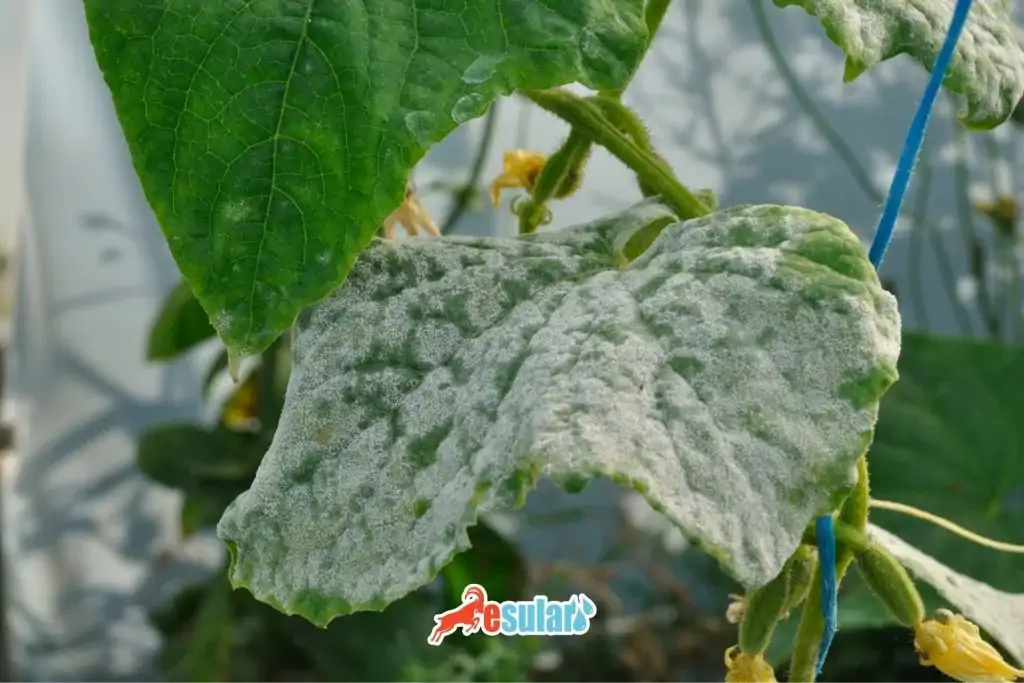
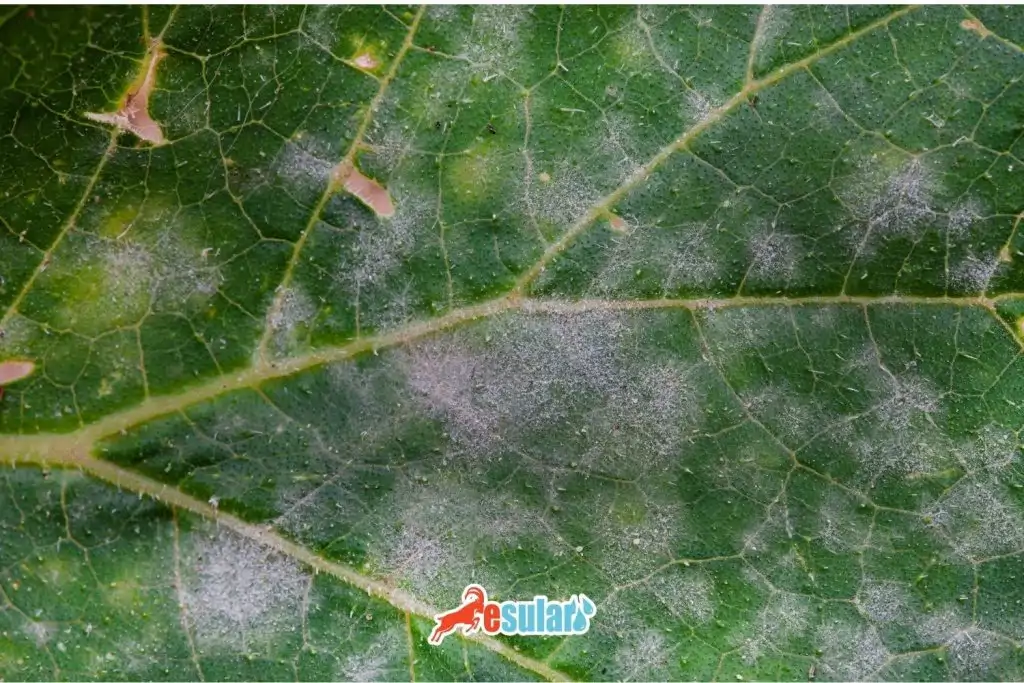
Powdery mildew is a fungal disease frequently seen in plants that spreads particularly in humid environments. It usually manifests itself as spots appearing in the form of a white or gray, flour-like powder layer on the leaves of plants. This disease negatively affects the growth and development of plants by impacting their photosynthesis ability. Over time, the spots on the leaves can merge to cover the entire leaves and seriously jeopardize the general health of the plant. Various control methods are used to prevent the spread of powdery mildew and keep it under control. Chemical control is carried out by spraying when the first symptoms of the disease are seen. The correct timing of these sprayings and the selection of appropriate pesticides according to the general health status of the plants are important. Additionally, cultural control methods are also effective in combating the disease; these methods include collecting and destroying diseased plant debris, preferring resistant plant varieties, and performing regular plant care.
Why Does Powdery Mildew Occur?
Powdery mildew usually occurs under the influence of fungal species known as biotrophic fungi such as Erysiphe, Podosphaera, Oïdium, and Leveillula. These fungi feed on living plant cells and usually cannot survive when they cannot find a living plant host. Powdery mildew spreads especially in humid and cool weather conditions. Fungal spores can generally be transported by wind, rain droplets, dew, or the clothes of those working in the field. They settle on the leaves of plants by germinating and developing in high humidity. Factors that accelerate the spread of the disease may also include inadequate air circulation, dense plant density, excessive humidity, and insufficient air circulation in greenhouses. It is important to keep the disease under control with cultural and chemical control methods. Cultural measures include cleaning plant debris, leaving sufficient distance between plants, selecting healthy saplings, regular observation, and ensuring air circulation, while in chemical control, fungicides must be used at appropriate times and doses.
In Which Plants is Powdery Mildew Seen?
Powdery mildew can generally be seen in various plant species. The plant species where it is most commonly seen are:
Vegetables: It can be frequently seen in vegetables such as peppers, tomatoes, eggplants, zucchini, and cucumbers.
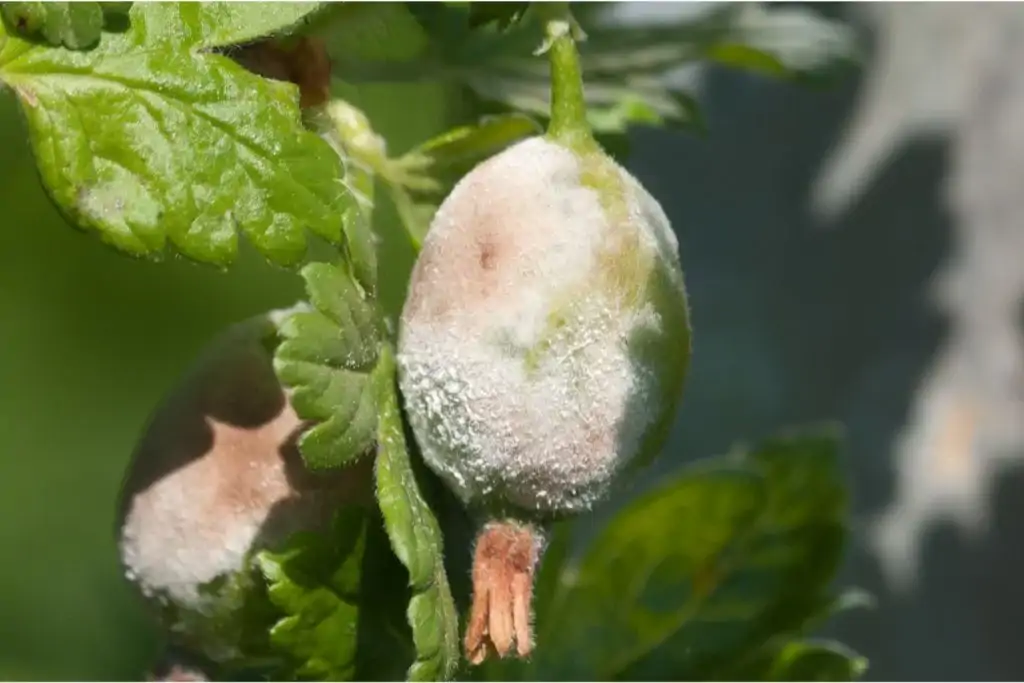
Fruits: Powdery mildew is frequently encountered in fruits such as apples, pears, grapes, and peaches.
Ornamental Plants: It is widely seen especially in ornamental plants such as roses, heather, and peonies.
Field Crops: Powdery mildew can also be seen in cereals and field crops such as wheat, barley, and corn.
Other Plant Species: Powdery mildew can be found in vineyards, plants grown in greenhouses, and even in weeds.
This disease usually appears as white spots or a powdery coating on the leaves of the plant. To keep the disease under control, appropriate control methods should be chosen according to the plant species and the severity of the disease.
How to Combat Powdery Mildew?
There are several methods to combat powdery mildew. These methods may vary depending on the plant species, the severity of the disease, and growing conditions. Here are some commonly used control methods:
Cultural Control Methods:
Planting Order and Selection of Seedlings: Selecting seedlings from healthy plants that do not show disease symptoms can help prevent the spread of the disease.
Ventilation: Increasing air circulation by leaving sufficient distance between plants can help reduce humidity and prevent the spread of the disease.
Advanced Agricultural Practices: It is important to use advanced agricultural practices such as organic matter applications to protect soil health.
Chemical Control Methods:
Fungicides: Appropriate fungicides can be used to control powdery mildew. Fungicide selection should be made according to the plant species and disease severity. It is usually applied at the beginning of plant development or when disease symptoms are seen.
Bio-Control Methods:
Natural Enemies: There are bio-control methods that encourage the spread of natural enemies (predators, parasites) that can be used in combating the fungi that cause the disease.
Cultural Control Methods:
Plant Quality: Choosing varieties that are resistant to or tolerant of the disease.
When is Powdery Mildew Pesticide Applied?
The timing of the pesticides to be used in combating powdery mildew is generally determined depending on the growth stage of the plant and the time when disease symptoms are seen. Spraying timing is generally based on these basic principles:
Preventive Spraying:
Applied during the period when the first symptoms of powdery mildew usually begin to be seen in the plant. This period can be in the early stages of plant development. Especially if weather conditions are suitable for the development of the disease, spraying can be done in advance.
Protective Spraying:
Used to prevent the spread of the disease in plants where powdery mildew is seen or in the environment. It is usually applied when disease symptoms are detected or when there is a possible risk of infection.
Corrective Spraying:
It is the spraying applied when distinct symptoms of powdery mildew are observed. At this stage, the disease is tried to be taken under control.
Spraying timing should be determined according to the label instructions of the fungicides to be used. The usage instructions for each fungicide product specify at which growth stage or when which disease symptoms are observed it should be applied. Therefore, it is important to carefully read product labels to ensure correct timing.