Tüm Yazılar
What is a Subsurface Drip Irrigation System?
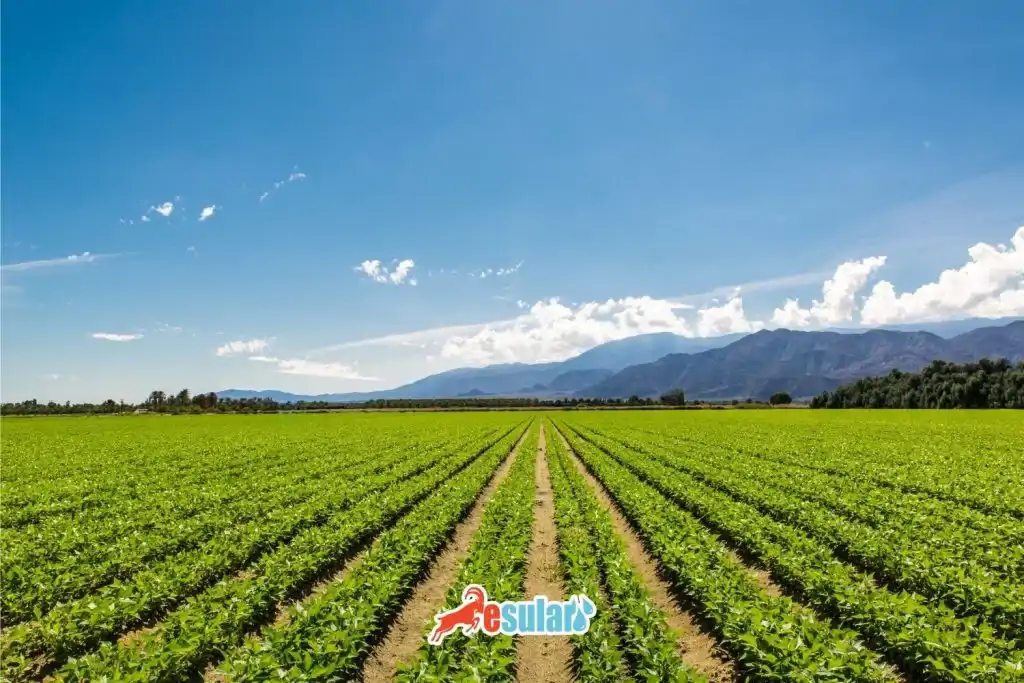
Subsurface Drip Irrigation is an innovative irrigation method developed for the efficient use of water and nutrient resources in modern agriculture. This system provides water and nutrient substances directly to the root zone of plants, minimizing water waste and optimizing plant development. Thanks to the irrigation pipes placed underground, the evaporation loss of water is prevented, and it is ensured that the water reaches the plant roots directly without coming to the surface of the soil. This method offers a great advantage in terms of the sustainable use of water resources and also ensures that plants receive the water and nutrients they need in the most efficient way. The Subsurface Drip Irrigation system is widely preferred, especially in regions where water resources are limited and in agricultural production areas where water conservation is important. This system plays an important role in the future of modern agriculture by offering both environmental and economic benefits.
Advantages of Subsurface Drip Irrigation
Water and Energy Savings: It reduces water loss to a minimum and prevents evaporation, ensuring the efficient use of water resources by reducing energy consumption.
Yield Increase: It provides water and nutrients directly to the roots of the plants, thus supporting homogeneous plant development and increasing yield.
Low Labor and Maintenance Costs: It requires little labor after installation and is long-lasting, eliminating the need to lay pipes at the beginning of the season and collect them at the end of the season.
Weed Control: Since it only irrigates the targeted plant, it prevents the development of weeds, which creates a healthier plant growing environment.
Environmental Benefits: The efficient use of water resources and the reduction of chemical needs are environmentally friendly, preventing soil erosion and protecting the ecological balance.
Economic Gain: It amortizes the installation cost in a short period of 4-6 years, providing profitability in the medium and long term, and also reduces costs by reducing the use of machinery in the field.
Various Application Areas: It is an effective irrigation method in field crops, orchards, and landscape areas, and can be used at depths suitable for different plant types and soil.
How to Install a Subsurface Drip Irrigation System?
The installation of a subsurface drip irrigation system generally includes the following steps:
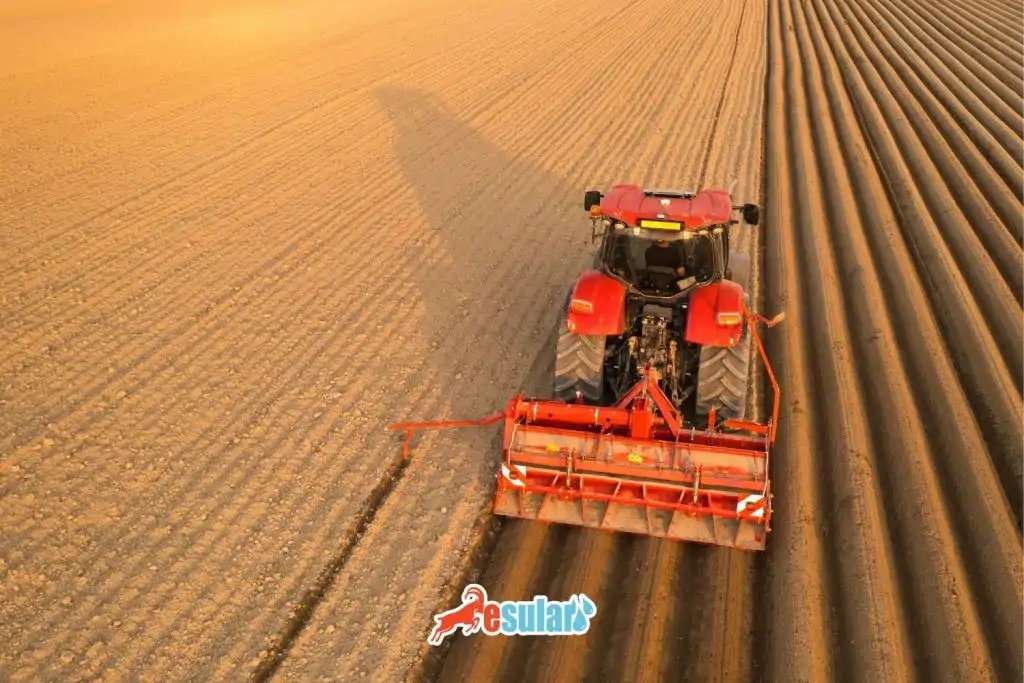
Soil Preparation and Planning: An irrigation plan is made by considering the topography of the area to be irrigated, the plant type, and soil characteristics. It is important to excavate and organize the area where the pipes will pass.
Pipe and Equipment Selection: Drip irrigation pipes produced from durable, waterproof, and UV-resistant materials are selected. In addition, other equipment such as main pipes, manifolds, filters, and pressure regulators are also selected.
Main Pipe and Manifold Installation: The main pipes and manifolds of the irrigation area are laid. While main pipes carry the water coming from the water source, manifolds direct the water to different parcel valves.
Filter and Pressure Regulator Assembly: Filters and pressure regulators are attached to the main pipes. Filters clean the water, while pressure regulators adjust the water pressure, ensuring the efficient operation of the system.
Subsurface Pipe Laying: Drip irrigation pipes are laid under the soil at a depth close to the root zones of the plants. The distance between the pipes is adjusted according to the plant type and uniform distribution is ensured.
Emitter and Safety Features: Emitters are placed in the pipes at regular intervals and equipped with safety features that prevent root clogging. This ensures the one-way flow of water and prevents toxic chemicals from harming the plants.
Testing and Adjustments: After the system assembly, the system is tested by providing water. Pressure, water flow, and whether the drip irrigation line is working properly are checked. Necessary adjustments are made, and the system is made ready for operation.
Operation and Maintenance: Regular maintenance should be performed after the installation is complete. Cleaning of pipes and filters should be done regularly, and repair and renewal processes should be carried out when necessary.
Application Areas of Subsurface Drip Irrigation System
The subsurface drip irrigation system is used as an effective irrigation method in various agricultural and green area applications. Here are the main application areas of these systems:
- Field Crops
- Orchards
- Vegetable Cultivation
- Flower Gardens and Parks
- Annual Plants
- Greenhouse Cultivation
- Garden Irrigation and Medians
The subsurface drip irrigation system supports environmental sustainability by providing water and energy savings when used in different areas.
Installation Distances and Depths According to Plant
Installation distances and depths of the subsurface drip irrigation system according to the plant should be adjusted according to the plant's root structure, water need, and growing characteristics. Here are the recommended installation distances and depths for some plants:
Fibrous Root Plants:
- For cereals like wheat and barley, it is ideal to place the drip line at a depth of 30-40 cm and a distance of 20-30 cm.
Vegetables like Tomato, Eggplant, Pepper, Beans:
- In these plants where the roots are close to the surface, it is recommended to place the drip line at a depth of approximately 20-30 cm and a distance of 20-25 cm.
Plants like Corn, Alfalfa, Watermelon, Squash:
- For deep-rooted plants, it may be appropriate to place the drip line at a depth of 30-40 cm and a distance of 30-40 cm.
Since the irrigation requirements and root structure of each plant are different, installation distances and depths should be determined specific to the plant species. In this way, the most efficient irrigation and growth of the plants can be ensured.
Smart Solutions in Subsurface Drip Irrigation Systems with Esular
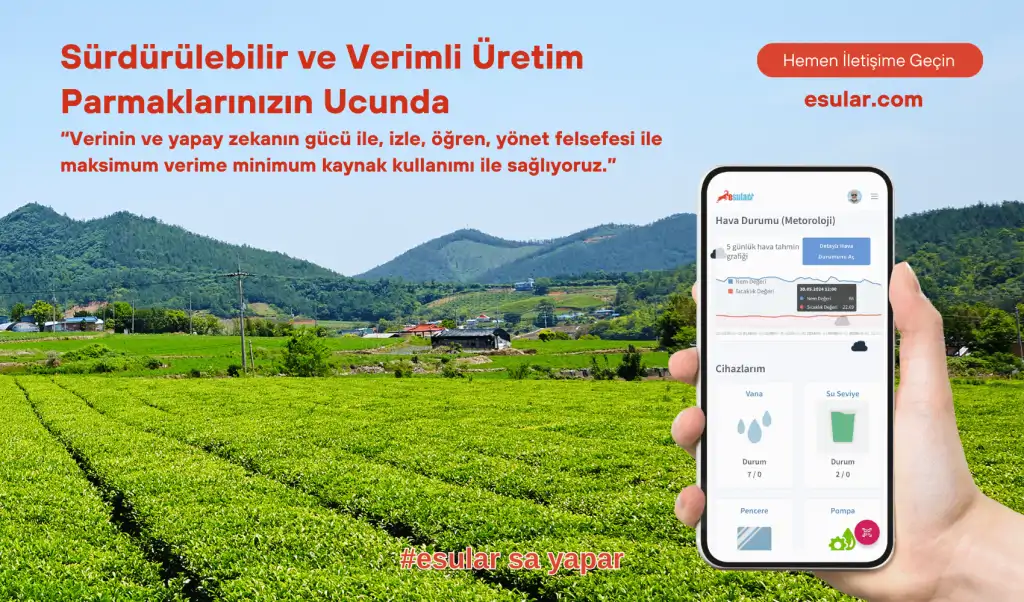
As Esular, our advanced technology solutions developed for agricultural enterprises provide users with the opportunity to easily manage their irrigation programs from anywhere with mobile application integration. While these digital systems offer significant cost advantages to farmers by maximizing water and energy savings, it is possible to monitor system performance instantly and intervene when necessary with the remote access feature.
Our technology-oriented approach optimizes water use by digitalizing the irrigation management of agricultural enterprises and maximizes the nutritional needs of plants. This ensures that you obtain healthier and more efficient agricultural products. In addition, we contribute to the sustainable management of water resources with our environmentally friendly designs.
As Esular, we offer digital solutions adapted to the specific needs of each customer. We continuously develop innovative solutions to increase agricultural productivity and support sustainable agricultural practices. For more information, you can call or visit us to help you discover the most suitable digital irrigation solutions for you.
The Best Irrigation Solution for Your Field: Professional Drip Irrigation Systems from Us!
Kategoriler
Etiketler