Tüm Yazılar

What is the Sunn Pest?

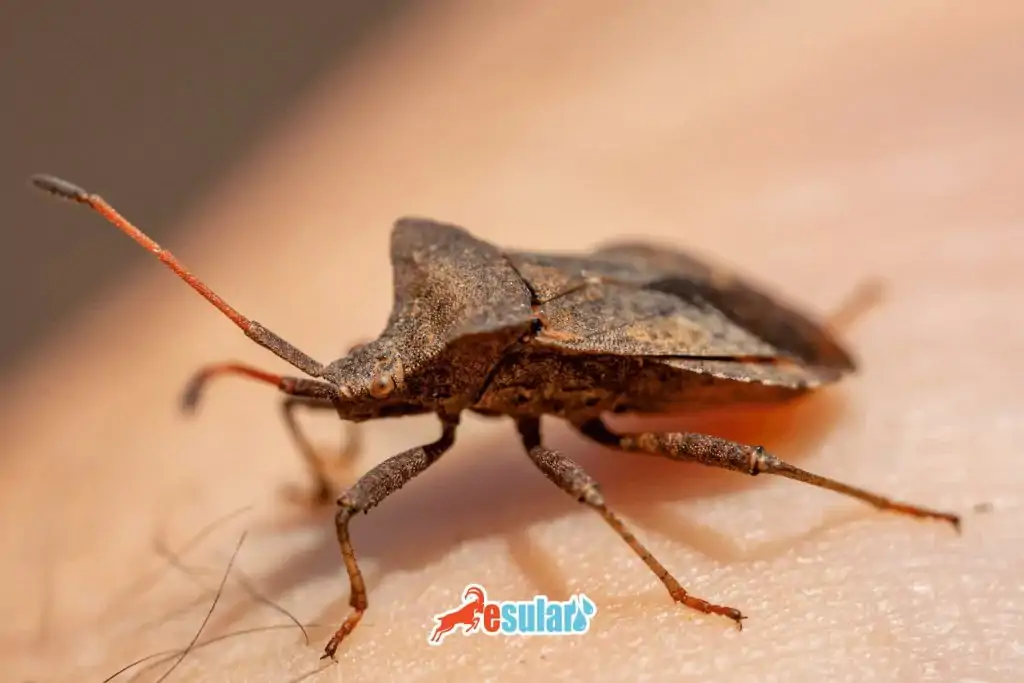
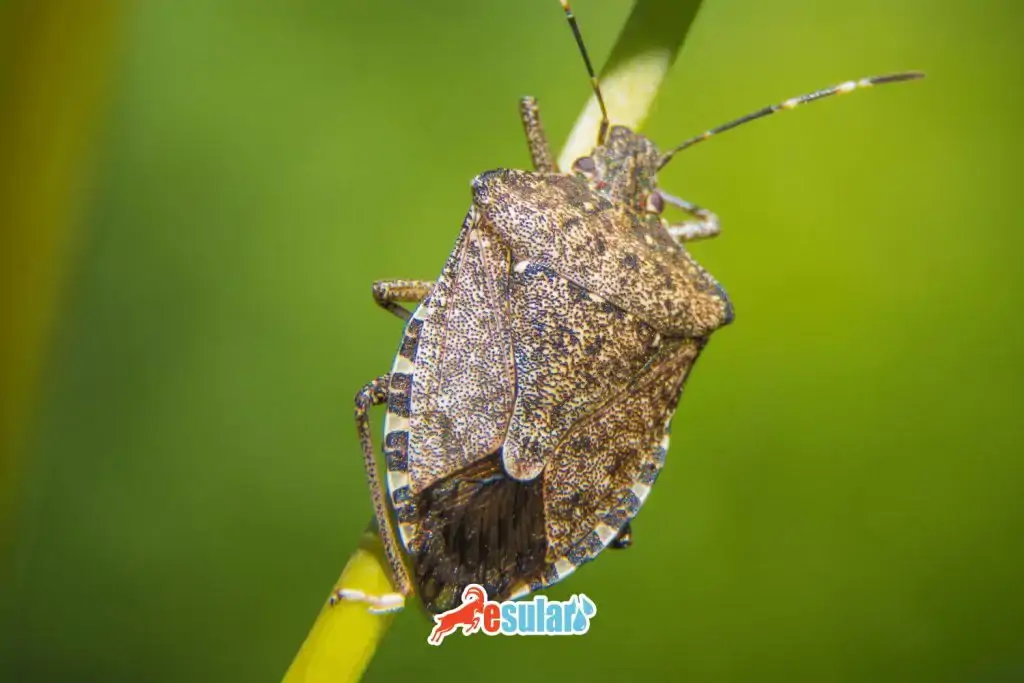
The Sunn pest is an insect species known as a significant pest in agricultural fields. Sunn pests, whose scientific name is Eurygaster spp., are recognized especially for damaging cereals. These harmful insects damage plants by sucking the stalks, stems, and ears of cereals with their piercing-sucking mouthparts. Generally soil-colored, Sunn pests can sometimes be black, reddish, dirty white, or have variegated patterns. They are seen in fields and cultivation areas. Sunn pests generally live actively for 9 months within a year. After performing vital activities such as feeding, mating, and egg-laying, they enter a resting period during the winter months. They reproduce by leaving their eggs in the soil or under plants. Sunn pests can cause significant yield losses in agricultural areas; therefore, they are considered a serious pest by farmers.

What are the Damages of the Sunn Pest?

Sunn pests are an insect species that causes significant damage during the development process of cereals. Especially in the early period, they damage the stalks of cereals and suck the sap inside, which prevents the formation of ears. This type of damage is generally called “Göbekkurusu” or “Kurtboğazı” damage. In later periods, Sunn pests feed by piercing and sucking the ears, which causes the ears to take on a lighter and whiter color than normal; this damage is called “Akbaşak” damage. Göbekkurusu damage occurs when Sunn pests damage the stalk part of the plant in the early period. This damage leads to yield loss by preventing the normal development of the plant. Akbaşak damage, on the other hand, is the damage given to the ears in later periods and causes the ears to take on a different appearance from their normal color. Due to these types of damages from Sunn pests, farmers must regularly check their fields and take control measures when necessary. These measures include chemical control, cultural measures, and biological control methods.

sune-böcegi-zararlari

Where Does the Sunn Pest Live?

These insects generally live in agricultural areas, especially in cereal fields. In winter, they are found in mountainous regions, usually under plants such as oak, milkvetch, and prickly thrift. In the spring, they migrate to agricultural areas in warm weather to feed and reproduce. Sunn pests generally prefer cereals such as wheat, barley, rye, and triticale and cause damage to these plants.

What are the Control Methods for the Sunn Pest?

The first step in this control is the use of cultural methods. Measures such as choosing early and hard wheat varieties, turning to non-cereal products, and being careful during field preparation processes can be taken. Chemical control is used when the Sunn pest population cannot be taken under control or reaches harmful levels, but this method should be applied by paying attention to environmental effects. In biological control, natural enemies of the Sunn pest are utilized, thus preserving the natural balance and taking pest populations under control. Physical and mechanical control methods can also be used, but they are generally used together with other methods to increase effectiveness. An integrated approach seeks to select the most appropriate and effective methods in the fight against the Sunn pest. In this way, the productivity and product quality of agricultural areas are protected.

sune-bocegi

When is Sunn Pest Pesticide Applied?

Spraying is generally carried out during the period when at least 40% of the second-stage nymphs are seen. This period is the time interval when the Sunn pest is most sensitive and the most effective control can be achieved. Second-stage nymphs usually begin to be seen in July. However, the timing and method of spraying may vary depending on your region, climate conditions, Sunn pest population, and plant development. Therefore, it is important to contact local agricultural experts or authorized institutions before making a spraying decision.

Which Animal Eats the Sunn Pest?

The offspring emerging from the eggs generally feed during the milk stage and yellow dough stage of the wheat. Since wheat grains are still soft and moist during these periods, they are preferred by Sunn pests. The feeding of Sunn pests during this period disrupts the internal structure of the wheat grain and reduces the quality. For this reason, the quality of the flour obtained from the wheat is affected, and it is not recommended for use in the production of products such as bread and pasta. Among the important enemies in the fight against the Sunn pest, birds, especially species such as partridge and quail, come to the fore. Birds play a natural role in controlling the populations of Sunn pests.

What Does the Sunn Pest Eat?

The Sunn pest feeds by sucking the sap found in the ears of cereals, primarily wheat, as well as barley, rye, triticale, and oats. As a result of this sucking, damage occurs in the ears and prevents the development of the grain. It feeds by entering the wheat especially during the milk and yellow dough stages of the grain. As a result of this feeding, the essence of the grain is spoiled, and the wheat becomes unusable for producing products such as bread or pasta.

Yorumlar

Daha Fazla İçerik İster misiniz?

Akıllı tarım hakkında en güncel içerikleri takip edin.