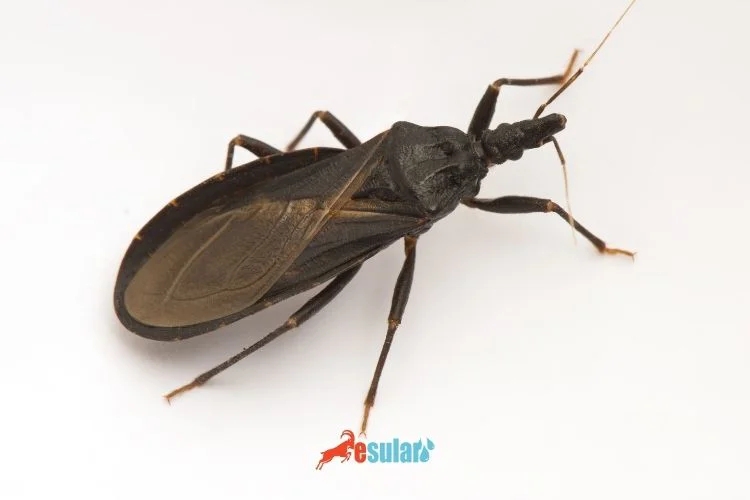
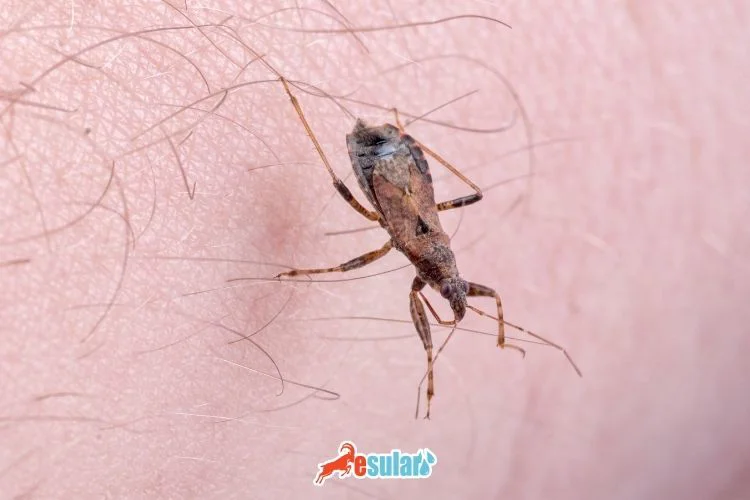
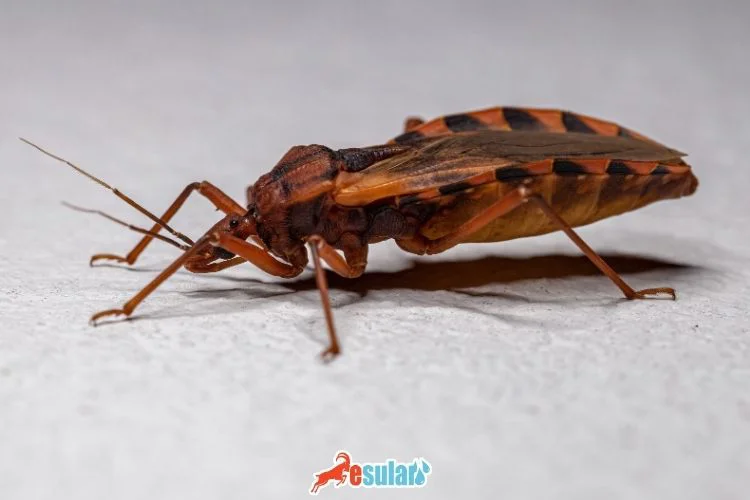
The kissing bug, scientifically known as Triatominae, is a dangerous insect species widely found in many regions of Latin America and carries Chagas disease. The reason it is called the “kissing bug” among the public is that they usually bite people's facial area, especially around the lips and eyes. These insects are blood-sucking (hematophagous) and are generally active at night.
Physically, kissing bugs have an oval and flat body. Their colors are usually dark brown or black, and in some species, yellow or red stripes can also be seen. Their length varies according to the species but generally ranges between 1.5 to 3.5 cm. The long and thin legs of kissing bugs allow them to move quickly and they suck blood using a long proboscis (sucking mouthpart). On the head part of these insects, two antenna-like appendages located just above their eyes help them sense their surroundings. Kissing bugs, which prefer to hide especially in rock piles, wood piles, and cracks in houses, pose serious health threats to both humans and pets. Therefore, strategies for fighting and protection against kissing bugs are of great importance.
Where Does the Kissing Bug Live?
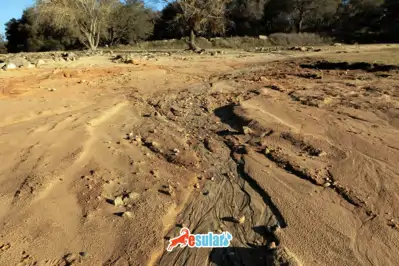
Kissing bugs generally live in warm and humid climates, especially widely in some regions of Latin America. These insects are usually found in houses, barns, sheds, bird nests, and other human structures or animal shelters. They can be seen especially in places where they can hide, such as rock piles, wood piles, and bushes. In houses, they can usually enter through cracks and crevices and can be in contact with humans.
What are the Harms of the Kissing Bug?
The bite of this insect can lead to serious health problems. Chagas disease, when left untreated, can cause cardiovascular problems such as weakening of the heart muscle, rhythm disturbances, and heart failure. Additionally, serious complications such as megaesophagus (enlargement of the esophagus) and megacolon (enlargement of the colon) can also be seen in the gastrointestinal system. Kissing bug bites are usually painless, but they can lead to mild reactions such as redness, swelling, or rash in the bitten area. Chagas disease spread by this insect can cause permanent organ damage and serious health problems, especially if left untreated. Therefore, avoiding contact with the kissing bug and taking protection measures is of great importance.
What is Chagas Disease?
Chagas disease is a parasitic disease caused by the protozoan called Trypanosoma cruzi, which is common especially in Latin America. This disease is usually transmitted to humans through blood-sucking insects known as the kissing bug (Triatominae). Kissing bugs are insects that live in people's beds or houses at night and feed by sucking blood. The disease is usually transmitted to humans as a result of contact with the feces of an infected kissing bug or through routes such as blood transfusion and organ transplantation. Chagas disease is common especially in poor and socio-economically disadvantaged groups, and national and international efforts continue for the control and prevention of the disease. These efforts include measures such as taking kissing bugs under control, screening blood donations, and public health education. The inclusion of Chagas disease in global health policies and research agendas ensures that important steps are taken to reduce the effects of the disease.
What are the Symptoms of Chagas Disease?
The symptoms of the disease may vary depending on the course of the infection. In the acute stage, mild symptoms such as fever, swelling in the lymph nodes, and headache can be seen, while in some cases, skin rashes and a general feeling of malaise may also occur. In the chronic stage, the most common symptoms are heart-related problems. Heart failure, weakening in the heart muscle, and rhythm disturbances can occur in advanced stages of the disease. Additionally, problems such as megaesophagus or megacolon can also be seen in the gastrointestinal system. Chagas disease is generally considered a neglected tropical disease and can lead to permanent organ damage and serious complications when left untreated. The diagnosis of the disease can be made in the early period by microscopic examination or in the chronic period with blood tests. It is important to treat it because early treatment can prevent or delay organ damage.
What are the protection methods from the Kissing Bug?
Some measures that can be taken to protect from the kissing bug are as follows:
Kissing bugs usually hide in places such as rock piles, wood piles, and bushes around the house. By organizing and cleaning these areas, you can reduce the hiding and breeding areas of the insects.
Cracks and crevices in houses allow kissing bugs to enter the houses. Regularly check and close these areas.
By using screens on windows and doors, you can prevent insects from entering the house.
Kissing bugs usually approach people in bedrooms and beds. Therefore, check bed covers regularly and have them washed if necessary.
If you have a pet, regularly clean their living areas and beds and check places where insects can hide.
If you are experiencing a serious problem with kissing bugs, contact a pest control company. Experts can help you get rid of the insects with effective spraying and control methods.
When traveling to regions carrying the risk of Chagas disease, be careful especially in rural areas and regions where poverty is intense. Research accommodation places in advance and try to stay away from risky areas where insects may be found.