Tüm Yazılar
What is the Legume Seed Beetle?
The legume seed beetle is a pest that causes serious damage to legume plants and leads to significant economic losses in agriculture. These beetles attack the seeds of legume plants, impairing the germination capacity of the seeds and negatively affecting the growth processes of the plants. Especially legume species such as peas, broad beans, lentils, and beans become the target of this pest. Both the adult individuals and larvae of the legume seed beetle cause serious damage to seeds, which leads to yield loss and a decrease in the commercial value of the products. To protect productivity and quality in agriculture, it is of great importance to understand the effects of this pest and apply appropriate control methods. In this article, we will examine the biological characteristics of the legume seed beetle, the damage it causes, and effective control strategies in detail.
Characteristics of the Legume Seed Beetle
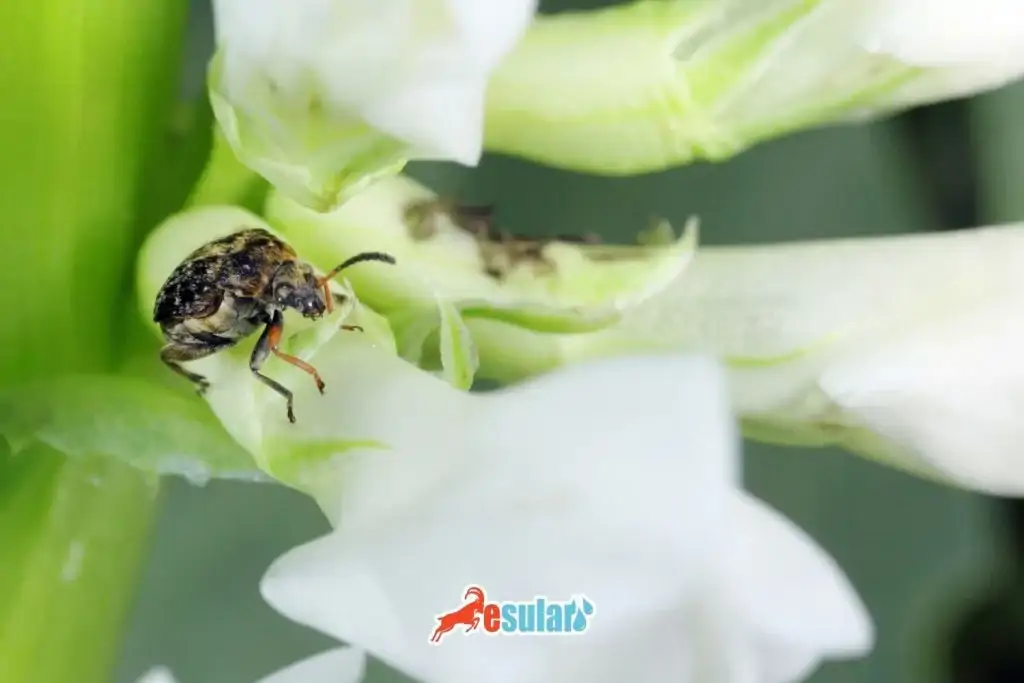
Among the physical characteristics of these beetles, they typically draw attention with their small and oval-shaped bodies. Their colors may vary depending on the species, but they are mostly in brown or gray tones. Their antennae and legs are quite small, in harmony with their body structure. The life cycle of the legume seed beetle consists of four main stages: egg, larva, pupa, and adult. Eggs are laid on the legume seeds, and larvae emerge from these eggs and enter the seeds. The larval period is the most critical stage of the beetle's feeding and development process. The pupa stage is the transition process that larvae undergo before turning into adult beetles, and this stage usually takes place hidden inside the seeds. Adult beetles continue to damage seeds during the reproductive period and cause this process to repeat throughout their lifespan. In terms of feeding habits, the legume seed beetle especially prefers the seeds of legumes such as beans, chickpeas, and lentils.
Reproduction and Spread
The reproduction cycle begins with the female beetle finding suitable seeds and laying her eggs on these seeds. Eggs are placed on the surface of the seeds, and these eggs turn into larvae within a short time. In the larval stage, the larvae emerging from the eggs enter the seeds and feed there. This process allows the larvae to develop and grow in the inner part of the seed. At this stage, the larvae grow by consuming the nutrients of the seed and pass to the pupa stage. The pupa period is a stage that larvae undergo before turning into adult beetles. The pupa stage also takes place inside the seed. When this stage is completed, adult beetles emerge from the seeds and begin searching for suitable seeds for a new reproduction cycle. The legume seed beetle prefers hot and dry conditions, so this species usually spreads in fields, storage areas, or storage places with suitable climatic conditions. Climate and storage conditions affect the spreading speed of the beetle. Additionally, these beetles may have the ability to develop resistance to chemical pesticides, which can make their spread more difficult and the process of providing effective control harder.
Control of the Legume Seed Beetle
Effectively controlling the legume seed beetle is of great importance in terms of both protecting agricultural productivity and preventing the spread of this pest. Control strategies are generally divided into three main categories: physical, chemical, and biological methods.
Physical Methods: Regular cleaning and disinfection of storage areas are effective in eliminating the breeding areas of the beetles. Additionally, proper storage of seeds and ensuring moisture and temperature control prevent the development of beetles.
Chemical Methods: Pesticides and insecticides are commonly used in the control of the legume seed beetle. However, it is important that these methods are applied correctly and carefully.
Biological Methods: Control using natural enemies offers an environmentally friendly approach. It is possible to keep populations under control by using natural predators or parasites of the beetle. Additionally, some bacterial and viral agents can be effective on the legume seed beetle.
These control methods should be used within the framework of an integrated approach and adapted appropriately to agricultural production processes. By considering the advantages and limitations of each method, the most effective results can be achieved.
Kategoriler