Tüm Yazılar
What is the Potato Beetle?
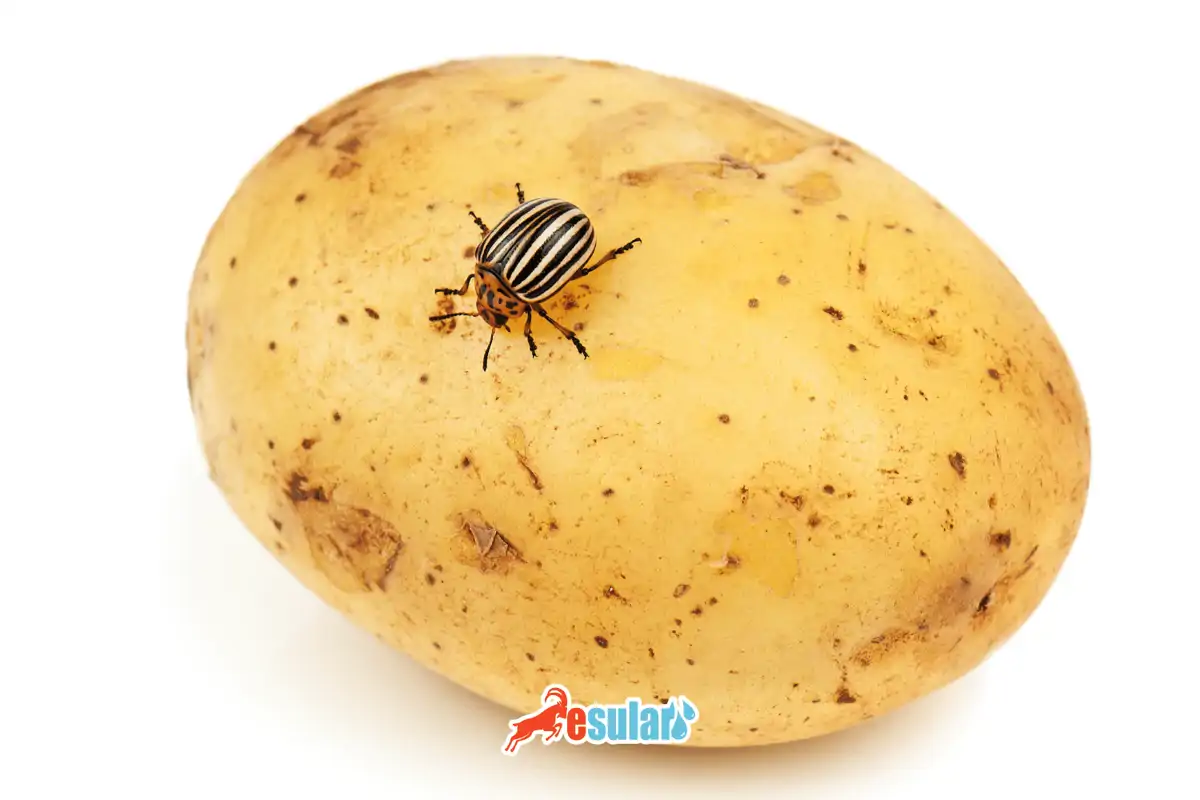
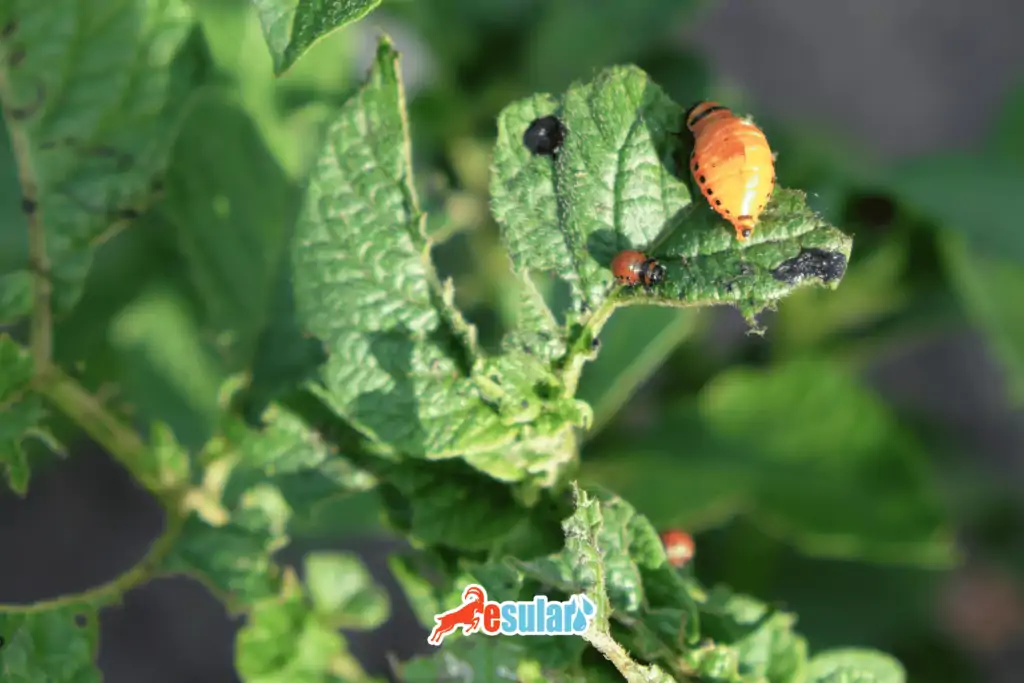
The potato beetle (Leptinotarsa decemlineata) is an insect species that causes significant damage in potato fields. This insect is also known as the Colorado potato beetle because it was discovered especially in the state of Colorado in America towards the end of the 19th century. Potato beetles are yellowish-orange, oval-shaped insects with black stripes on them. They are named "decemlineata" because they usually carry ten black stripes. Their larvae have a worm-like appearance and can cause great damage by eating the leaves of potato plants. In potato production, various measures are taken to combat this harmful insect using integrated pest management strategies. These include methods such as biological control, cultural control measures, and pesticide applications.
Where Does the Potato Beetle Live?
The potato beetle usually lives in potato fields. The potato plant (Solanum tuberosum) and some other solanaceous plants are the main plants on which this insect feeds and breeds. Potato fields, especially in regions where these plants are intensively grown, are the places where the potato beetle is found. This harmful insect is more commonly found in warm and temperate climate regions. However, it is generally resistant to cold weather conditions and can easily adapt to various climate conditions.
On Which Plants is the Potato Beetle Seen?
Although this insect is known as a pest especially in potato fields, it can also harm surrounding agricultural areas. This damage usually affects solanaceous plants. Plants belonging to the Solanaceae family form a suitable food source for the potato beetle. These plants include other vegetables such as tomatoes, peppers, and eggplants. If such plants are grown nearby, it can damage these plants as well. Larvae usually cause damage by eating the leaves of the plants. Therefore, potato producers and farmers growing other solanaceous plants should take important steps to provide control of this insect and prevent its spread to surrounding agricultural areas.
What are the Damages of the Potato Beetle?
It can cause serious losses in potato production by damaging especially the leaves and roots of the potato plant. Larvae eat the leaves of the potato plant, opening holes, and this situation leaves a negative effect on the plant's photosynthesis. By consuming young shoots and leaves, it prevents the normal development of the plant, which can cause yield loss in the potato plant. Additionally, it can cause quality loss during storage by damaging the potato tubers under the soil. It can make potato harvesting difficult and may cause farmers to resort to pesticide use. For this reason, potato producers usually apply integrated pest management strategies, so that potato beetle damage can be kept under control.
What are the Control Methods for the Potato Beetle?
A series of strategies are used in the fight against this pest. For an effective struggle with this insect, farmers and garden owners can resort to the following methods:
Plant Diversification: Instead of growing only potatoes in the same area, they can limit the spread and damage of this harmful insect by practicing plant diversification.
Bio-control: Biological control strategies can be applied using natural enemies, especially predatory insects and parasites that are natural enemies of the potato beetle.
Cultural control: The spread of the harmful insect can be limited with cultural control measures such as field cleaning, regular cleaning of plant residues, and planting in appropriate periods.
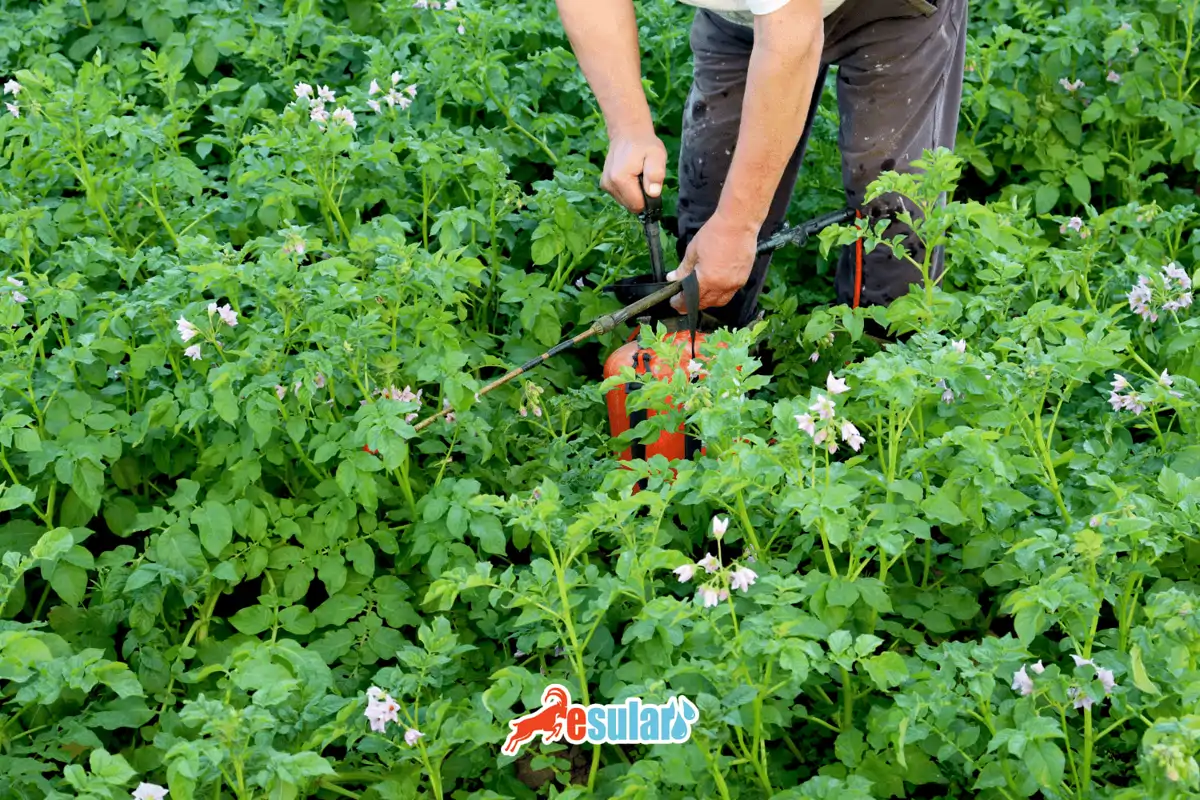
Pesticide Use: Chemical control can be an effective method in the control of the harmful insect. However, in this method, careful use and strategies aimed at preventing resistance development should be implemented.
Integrated Pest Management: It is important to integrate various control strategies to obtain the most effective results. Integrated pest management optimizes the control of the pest by bringing together methods such as biological control, cultural control, and plant resistance.
What are the Medicines That Can Be Used for the Potato Beetle?
Pesticides used for the control of the pest can generally vary depending on the stages of the insect population, plant growth periods, and local conditions. These medicines are usually recommended by agricultural experts and should be used in accordance with the label instructions. Here are some pesticide classes commonly used in potato beetle control:
Pyrethroid Insecticides: Pyrethroid derivative insecticides can be effective on pests such as the potato beetle. Examples of this group include pyrethroids.
Neonicotinoids: This class of insecticides controls insects by acting on the nervous system. However, the use of neonicotinoids should be done carefully as it may cause environmental and ecological concerns.
Organophosphates: This chemical class is an older class of insecticides used in potato beetle control. However, their use has generally decreased because they can harm human health and the environment.
Bacillus thuringiensis (Bt): Bt is a natural insecticide derived from a bacterium. It acts by targeting the digestive system of the larvae. This biological control method is considered an environmentally friendly option.
Spinosad: Spinosad is obtained from Saccharopolyspora spinosa, a component produced by bacteria. This insecticide is especially effective on potato beetle larvae.
Farmers and garden owners can choose suitable medicines for effective and safe potato beetle control by consulting local agricultural experts and paying attention to pesticide labels.
Kategoriler