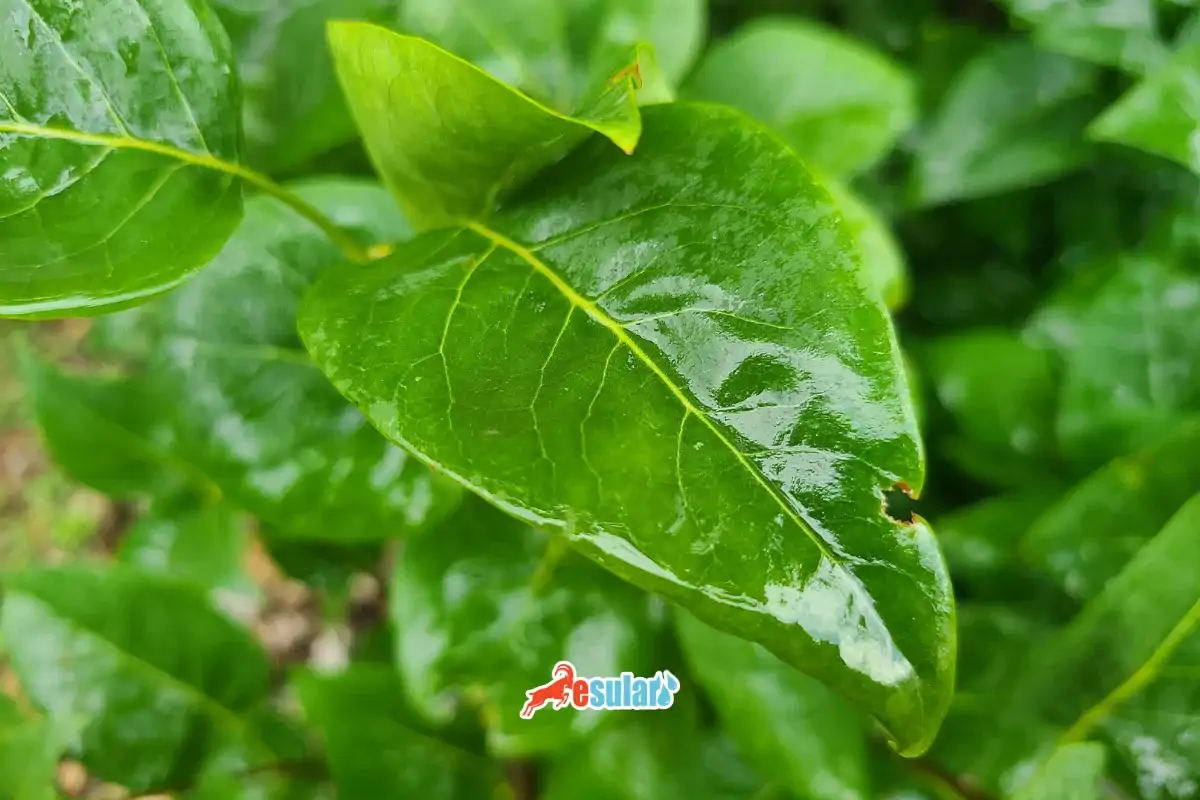
Vegetation period refers to the time it takes for a plant to emerge from seed, develop, and become capable of producing seeds again. Additionally, in perennial plants, it is defined as the period from bud burst to leaf fall. This period varies depending on plant species and varieties.
To explain with an example, the apple tree presents a different profile in terms of vegetation period. The vegetation period of an apple tree is generally the time from the winter rest (dormancy) period until the flowering and fruit formation process. This period can generally be slightly longer than a year and varies according to varieties. Some apple varieties bloom in early spring, while others bloom in a later period.
Every plant species has a different vegetation period depending on various factors such as climate conditions, soil properties, and genetic factors. Accurate monitoring and understanding of these periods are important for the management of agriculture, forestry, and natural ecosystems.
What is Vegetation?
Vegetation is the plant cover formed by the coming together of plants with similar climate, soil, and other environmental factors in a specific geographical region. This plant cover expresses the sum of plant species found within an ecosystem. Climatic and topographical factors play an important role in determining the type of vegetation in a region.
The vegetation of any geographical region includes characteristics such as the species, densities, heights, and distributions of plants in that region. This plant cover affects the ecological structure and biological diversity of the region. Therefore, vegetation maps are an important tool for understanding, protecting, and managing ecosystems.
Vegetation provides information about plant adaptations, ecological relationships, and ecosystem functions. Additionally, it is an important type of geographical information used in fields such as agriculture, forestry, natural resource management, and environmental protection.
Vegetation Formation
The formation of vegetation occurs as a result of the interaction of plants with similar living conditions in a specific geographical area. This process includes the plant cover formed by plants gathering together. Factors that play an important role in the formation of vegetation include climate, soil properties, water, light, and other environmental conditions. Plants come together by adapting to living conditions and form an ecosystem. This ecosystem encompasses an environment where plants interact with each other and develop various ecological relationships. The settlement of plants in an area can cause various changes in that environment. For example, a plant cover can improve the soil, increase the moisture of the habitat, and provide various other ecosystem services. The vegetation process can evolve over time. Initially, annual plants may dominate in a specific field. However, over time, along with various factors, perennial plants and other plant species can also settle into this environment. Competition among these plant species determines the balance in the ecosystem and the characteristics of the plant cover. As a result, the formation of vegetation is a complex process shaped by plants coming together, interacting with their environment, and adapting to the dynamics of the environment over time.