The Foundation of Productivity in Agriculture: Winter Soil Analysis
Success in modern agriculture applications depends on data, not coincidences. Soil, the most valuable asset in the hands of a farmer or agricultural enterprise, consumes a certain amount of nutrients in each production season and experiences changes in its physical structure. At this point, soil analysis is the most critical process that reveals the current health status of the soil like an X-ray. Analyses conducted in the winter months, during periods when plant production halts or slows down, provide a unique opportunity to determine the fertilization program and soil preparation strategies for the upcoming season.
The main purpose of winter analyses is to measure the nutrient reserves of the soil during the resting period and to eliminate chronic problems such as pH imbalance before the new planting period begins. The smart agricultural technologies we offer as Esular provide our farmers with more precise management opportunities by supporting these traditional analysis processes with digital data. In this guide, we will examine in detail how winter soil analysis is performed, the technical details to be considered when sampling, and how the soil should be prepared according to the analysis results.
Advantages of Conducting Analysis During the Winter Period:
- Optimizes fertilizer costs at rates up to 30%.
- Saves time for reclamation works according to the lime and pH status of the soil.
- Prevents environmental pollution by preventing unnecessary fertilizer use.
- Detects deficiencies in macro and micro-nutrient elements needed by the plant in advance.
How to Take a Soil Sample? Techniques and Procedures
The accuracy of a soil analysis result depends on how well the sample sent to the laboratory represents the field. An incorrectly taken sample can lead to faulty fertilization decisions worth thousands of liras. Since soil is usually moist in the winter months, care should be taken not to disturb the physical structure while sampling.
Sampling Time and Conditions
The most suitable time for winter analyses is the period immediately after harvest or between late autumn and early winter. Samples should not be taken on days when the soil is very muddy or frozen. Samples taken when the soil is at the right moisture level (workable moisture) increase the consistency of laboratory results. Additionally, at least 2-3 months passing since the last fertilization prevents nutrient levels from appearing misleading.
Sampling Points Representing the Field
Not every point of the field may have the same characteristics. For this reason, it is necessary to divide the land into homogeneous sections. Areas with color differences, slope differences, yield differences, or areas where different crops were planted in the past should be sampled separately. Generally, one composite sample is considered sufficient for an area of 20-40 decares.
Places Where Samples Should Not Be Taken:
- Places where fertilizer piles were made.
- Points where animals lie down or fertilize.
- Under trees and canal edges.
- Threshing floors and old building remains.
- Boundary lines of the field and parts very close to the road.
Method to be Applied: Drawing S or Z
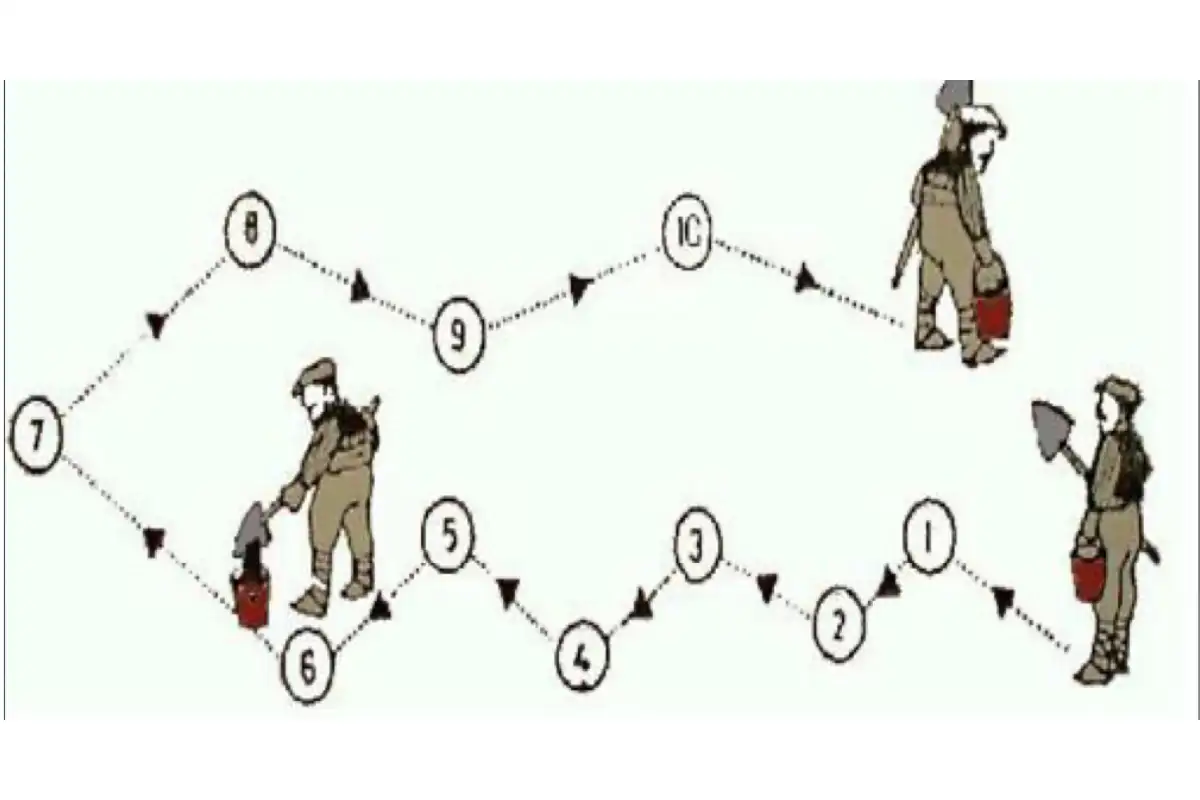
When taking samples from the field, a certain systematic approach should be followed, not randomly. The most common method is to walk in a way that draws an "S" or "Z" letter within the field and take small samples from 10-15 different points on this line. These small samples are mixed in a clean container to form a final 1-2 kg sample representing the field.
Sampling Depth:
- For annual plants (wheat, corn, cotton, etc.): 0-30 cm depth.
- For perennial plants and orchards: 0-30 cm, 30-60 cm, and if necessary, 60-90 cm depths.
- For meadows and pastures: 0-15 cm depth.
Basic Parameters Examined in Soil Analysis
The figures you encounter when laboratory results arrive show the chemical and physical capacity of the soil. Each of these parameters directly affects the profitability of agriculture activities.
1. Soil Reaction (pH)
The pH value is the most important factor determining whether nutrient elements can be taken up by the plant. The ideal pH is generally between 6.5 - 7.5. In the analysis conducted during the winter period, if the pH is very high (alkaline), sulfur application is planned; if it is very low (acidic), liming is planned. For more detailed information on this subject, you can review our article on regulating soil pH levels.
2. Total Salinity (EC)
The electrical conductivity (EC) value shows the amount of soluble salt in the soil. High salinity makes it difficult for the plant to take up water and causes root burns. High EC values in winter analyses may indicate drainage problems or incorrect irrigation practices.
3. Organic Matter Content
The vitality and water-holding capacity of the soil depend on organic matter. In Turkey's soils, this value, which is generally around 1-2%, should be targeted to be increased above 3% for productive production. During the winter preparation period, barn manure or compost application is done to increase this value.
4. Macro and Micro Elements (NPK and Others)
Nitrogen (N), Phosphorus (P), and Potassium (K) are the basic needs of the plant. In winter analysis, it is determined how much phosphorus and potassium are fixed (bound) in the soil. Deficiencies of micro-elements such as Calcium, Magnesium, Iron, Zinc, and Boron also come to light with this analysis.
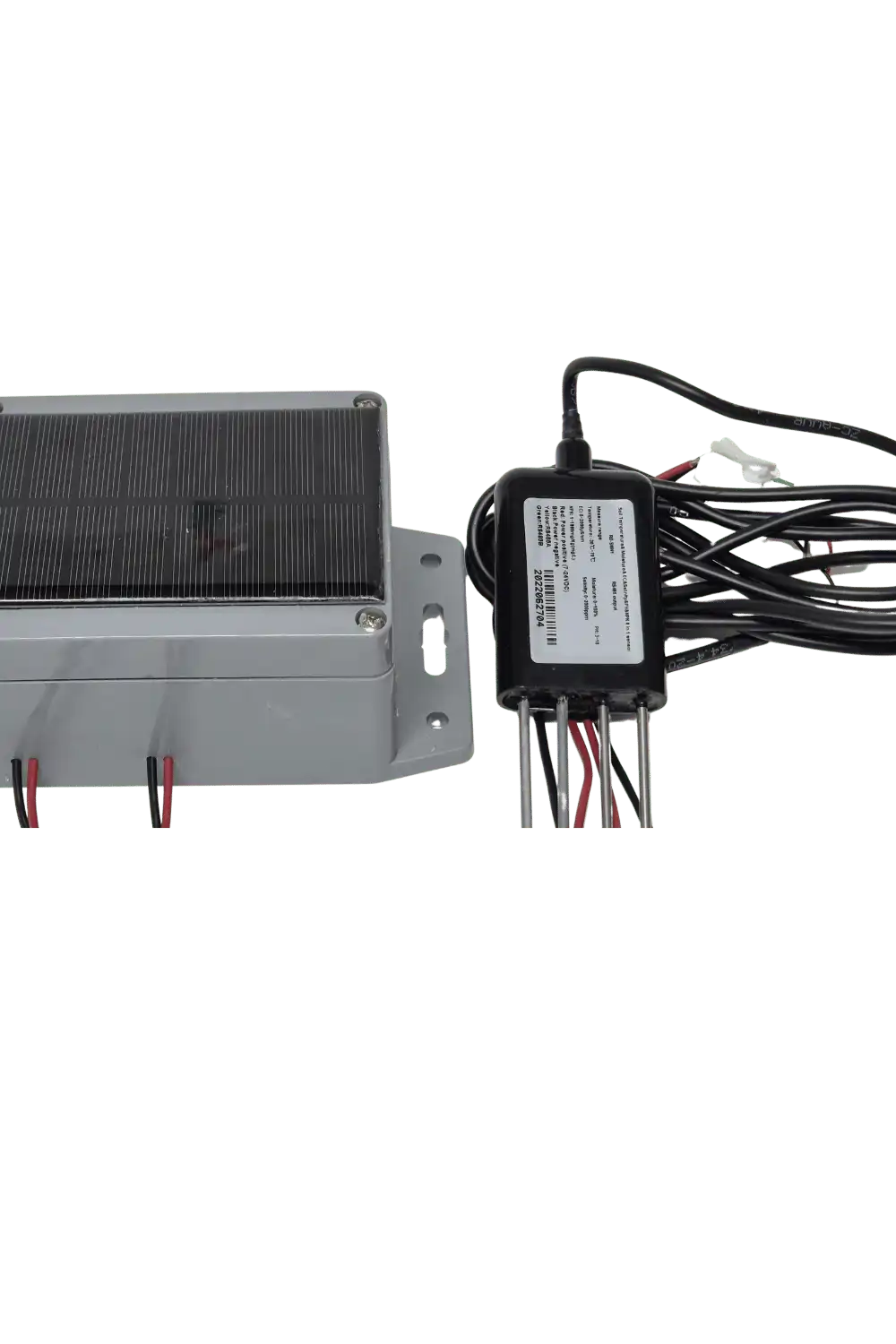
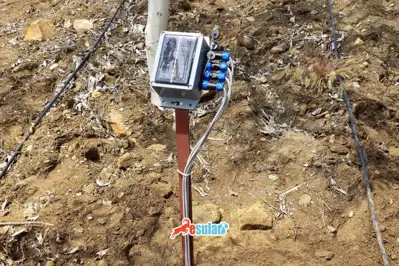
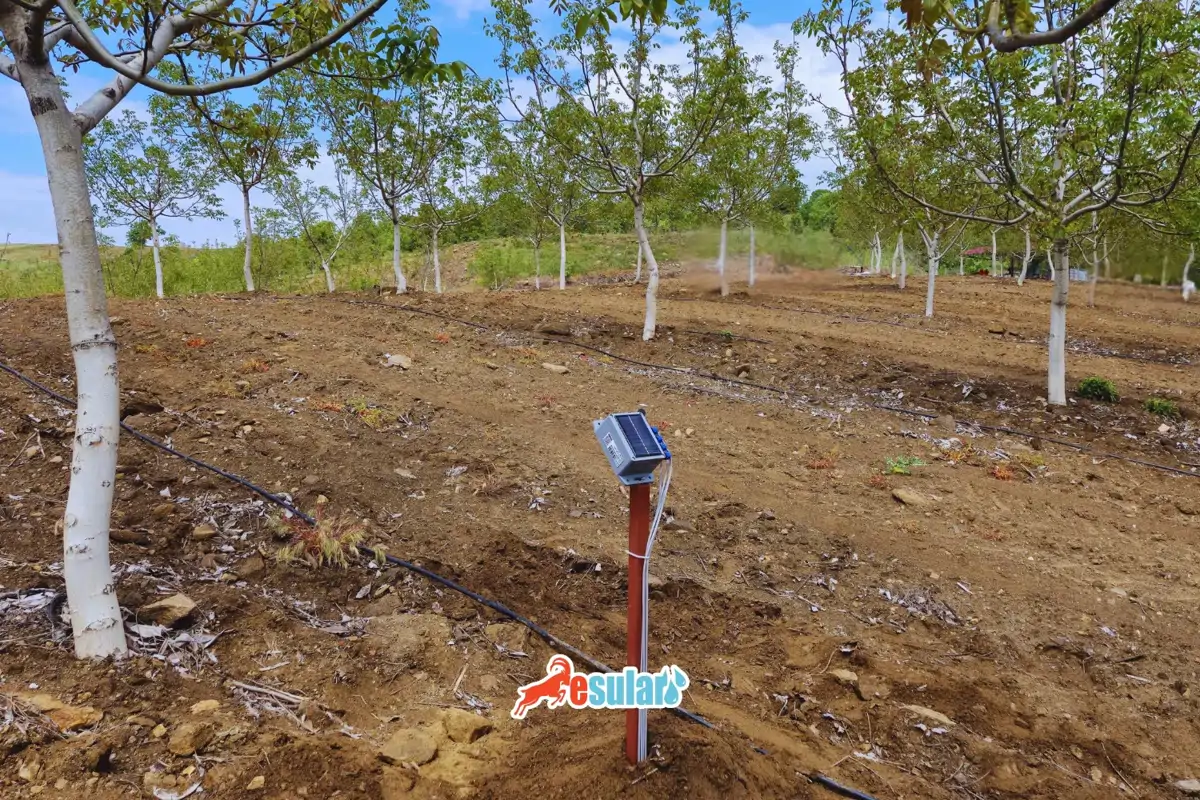
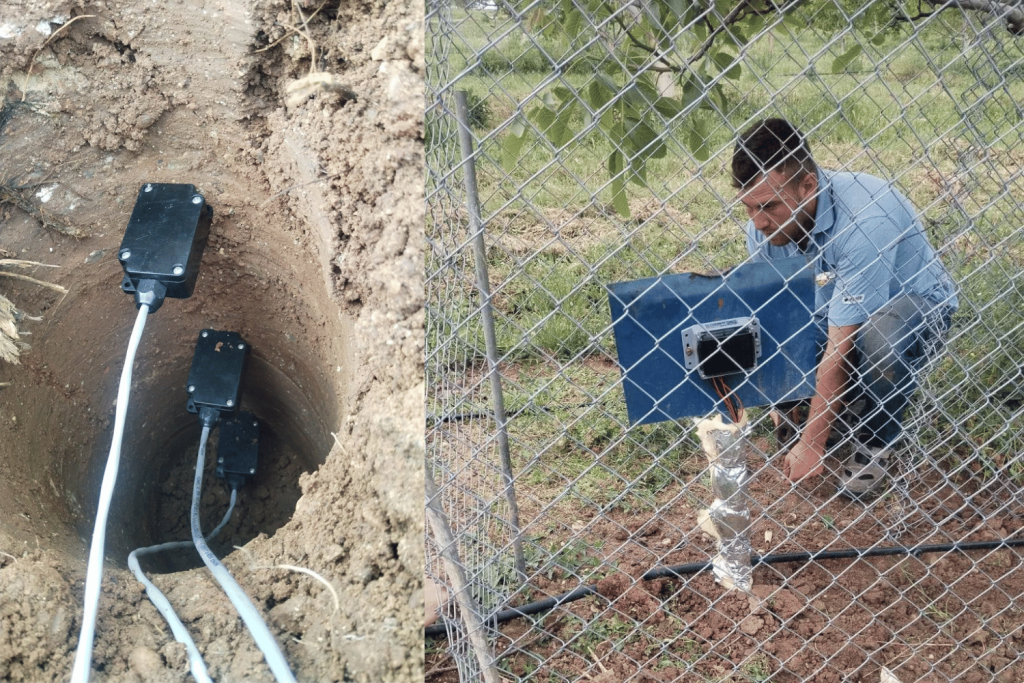
Wireless soil pH, EC, temperature, and NPK sensor
Pre-Season Soil Preparation Strategies
After receiving the analysis results, it is time for the soil preparation stage. The winter period is the most suitable time to improve the physical structure of the soil.
Soil Tillage and Aeration
The aim of winter preparation is to aerate the soil by turning it over and ensuring that winter rains penetrate to the lower layers. However, excessive tillage can disturb the soil aggregate structure. Plant residues on the soil surface should be shredded and mixed into the soil using methods such as using a disc harrow. This process accelerates organic matter decomposition.
Base Fertilization (Basic Fertilization)
Phosphorus and potassium, which are deficient according to the soil analysis, should be given as "base fertilizer" during the winter preparation period. Since these nutrients move slowly in the soil, placing them in the root zone (usually 15-20 cm deep) before planting directly increases yield. Nitrogenous fertilizers, on the other hand, should not be preferred in this period as they will be washed away by winter rains; they should be given during or after planting.
Liming and Sulfur Application
pH regulation processes are chemical processes that take time. If the soil is acidic according to the analysis result, liming should be done in winter, and if it is alkaline, powder sulfur application should be done. A period of several months and moisture are required for these substances to react with the soil. You can find more information about sulfur use in our soil reclamation with sulfur guide.
Digital Soil Management with Esular
While traditional soil analyses offer a seasonal perspective, Esular technologies allow you to monitor your soil 24/7. Combining laboratory results with real-time data from the field is the key to digital transformation in agriculture.
Smart Soil Moisture and NPK Sensors
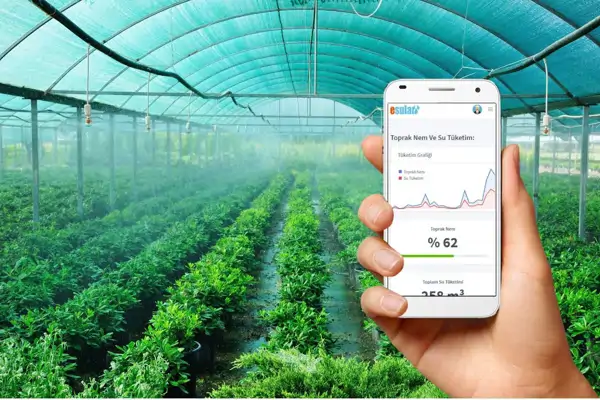
Winter data coming from the laboratory shows the current state of the field. However, to understand how plant nutrients and water move throughout the season, using a wireless soil NPK sensor provides a great advantage. Thanks to these sensors, you can instantly monitor the leaching rates of fertilizers and the rate of consumption by the plant.
AI-Powered Fertilization Assistant
Instead of manually interpreting analysis results, you can determine the amount of fertilizer your soil needs and the application time with the help of artificial intelligence using the Esular Digital Fertilization Assistant. This system blends laboratory data with meteorological data to offer you the most accurate prescription.
Kış Hazırlığında Akıllı Sulama Sistemlerinin Bakımı
Soil preparation is not limited to just the soil; the irrigation infrastructure must also be prepared for the season. Checking valve boxes, cleaning filters, and performing sensor calibrations during the winter months are of vital importance. Our irrigation season preparation guide will guide you on this subject.
Frequently Asked Questions
Should soil analysis be done every year?
- It is generally recommended to be done every 2 years. However, in greenhouses where intensive production is carried out or in perennial orchards, performing analysis every year is healthier in terms of maintaining nutrient balance.
How long does it take for analysis results to come out?
- Although it varies according to the laboratory's workload, results are generally received within 7-15 business days during the winter period.
Does soil tillage in winter cause erosion?
- In sloping lands, very fine tillage of the soil can lead to erosion with winter rains. In such areas, "conservation tillage" or "direct seeding" methods should be preferred. For detailed information, you can take a look at FAO regenerative agriculture resources.
How should the soil sample taken for analysis be stored?
- Samples should be stored in a cool and dry place out of direct sunlight. If wet samples are kept in plastic bags for a long time, chemical changes may occur; therefore, they should be delivered to the laboratory as soon as possible.
Conclusion: The Right Start for a Productive Season
Winter soil analysis and the subsequent conscious soil preparation are the insurance of agricultural production. Every application made without knowing what the soil needs harms both your pocket and nature. Modern agriculture techniques and smart sensor solutions offered by Esular, you can hear the voice of your soil and use every drop of water and every gram of fertilizer in the most efficient way.
Remember, a good harvest is won during winter preparation, not at the moment of planting. Have your soil analyzed, digitalize your data, and benefit from the power of sustainable agriculture.
You can contact us for more information and our smart agricultural solutions:
- Explore Our Soil Moisture and NPK Sensors: Esular Products
- Technical Support and Consultancy: Contact Page
- Other Guides on Our Blog: Esular Agriculture Blog
Esular is always with you to increase your productivity and reduce your costs by using technology in agriculture. Request a demo today and let's build the future of your field together!